🔄 Updated 2026 — Reviewed and refreshed with the latest research.
Arachidonic acid is an omega-6 fatty acid that your body stores in muscle cell membranes. During hard training your body releases arachidonic acid and converts it into prostaglandins. These signaling molecules drive local inflammation. This short burst of inflammation is not the enemy. It is the trigger that tells your body to repair, grow, and adapt. That is why arachidonic acid can act like a natural anabolic switch. It helps you turn training stress into actual muscle size and strength.
This article explains how arachidonic acid supports muscle growth, how to use it in a bodybuilding plan, and why it qualifies as a natural miracle molecule. It includes science links and practical advice for athletes who want an edge. It also reflects the Tony Huge mindset. We value tools that help you recover faster, train harder, and evolve.
What Is Arachidonic Acid?
Arachidonic acid is a polyunsaturated-omega-6 fatty acid. It sits inside the phospholipid layer of your muscle cells. When you train, enzymes release it and feed it into the cyclooxygenase pathway. The products of that pathway include prostaglandin E2 and prostaglandin F2 alpha. These prostaglandins drive muscle protein synthesis, satellite cell activation, and the repair process after training. You want this local, time limited inflammation to happen. It is part of how your body adapts to training.
Background on prostaglandins and muscle growth. PGF2α can increase muscle cell size and support survival of muscle cells, as shown in mice and cell models. Prostaglandins derive from arachidonic acid that is released by phospholipase A2 and converted by COX enzymes.
Why Bodybuilders Care: Inflammation and Growth
Training creates tiny tears in muscle. Your body reacts with a short burst of inflammation. That signal tells the muscle to repair and grow. Arachidonic acid bodybuilding strategies try to make this signal a little stronger by giving the body more raw material to make prostaglandins.
In young lifters, blocking this pathway right after training can weaken the growth signal. One study found that taking common pain pills that stop COX enzymes reduced the normal rise in muscle protein synthesis after eccentric work. For most lifters who want size, the simple rule works. Do not blunt the prostaglandin pulse right around your workouts.
Human Research on Arachidonic Acid Supplementation
A study in trained men gave 1.5 grams of arachidonic acid per day for eight weeks. The men followed a set plan in the gym. The group taking arachidonic acid lifted more weight and showed better power on tests when compared with a placebo. This suggests that in people who already train hard, adding arachidonic acid can move the needle on performance.
An earlier study did not find bigger gains in size or one rep max strength over the same kind of time span. The men still showed better performance in short, intense efforts, which points to a role in high output work even if size changes were small in that trial. Differences in training plans, diet, and the subjects’ starting point can explain why results vary between studies. It reminds us that this tool works best when the rest of the plan is on point.
Another study looked at safety signals. Trained men took arachidonic acid and researchers checked blood markers and muscle lipids. They found changes in fatty acid profiles but did not see a rise in resting inflammation in healthy subjects over the short term. That means a normal, healthy lifter can likely run short cycles without pushing baseline inflammation up.
How Arachidonic Acid Works in Muscle
Step 1: Training liberates arachidonic acid
Heavy sets, eccentrics, and stretch under load stress the muscle membrane. Phospholipase A2 releases arachidonic acid from the membrane.
Step 2: COX enzymes convert it to prostaglandins
COX 1 and COX 2 convert arachidonic acid into prostaglandins like PGE2 and PGF2α. These signals are part of the growth response.
Step 3: Prostaglandins drive adaptation
PGF2α supports protein synthesis, muscle cell survival, and satellite cell activity. This helps repair and growth. This is a textbook application of the Tony huge laws of Biochemistry Physics — you are directly supplying the substrate to amplify a critical anabolic signaling cascade.
Step 4: Do not block the signal
Avoid high dose NSAIDs around your workout if growth is the goal. These drugs inhibit COX and reduce prostaglandin production.
Why It Qualifies as a “Miracle Molecule”
A true miracle molecule checks three boxes. It has a clear mechanism. It shows human data. It offers a good risk to reward ratio when used with respect. Arachidonic acid meets all three.
- Mechanism. It feeds the exact pathway that converts training stress into growth. You feel more soreness after hard sessions. That soreness is not damage you should fear. It is the signal you want.
- Human data. Controlled trials show strength and power benefits in trained men using 1.5 grams per day for 8 weeks.
- Risk to reward. Short cycles do not raise basal inflammation in healthy lifters. The strategy is simple. Use it in cycles. Time it around serious training. Avoid anti-inflammatory agents in the peri workout window.
Tony Huge also places arachidonic acid in the high priority “natty” category for advanced lifters who no longer get sore. The suggested use is 1,400 milligrams per day for six weeks, then take one week off.
Who Benefits Most?
- Intermediate and advanced lifters who already train with high effort.
- Athletes who no longer feel sore after workouts.
- Bodybuilders who need more fullness, pumps, and training drive on a cut.
- Lifters who want a natty tool to stack with creatine and a glucose disposal agent.
Beginners will still grow fast without it. For them, the marginal benefit is lower because their bodies still respond strongly to basic training and nutrition.
How To Use Arachidonic Acid
Dose and Cycle:
- Research backed dose. 1.5 grams per day for 8 weeks worked well in trained men. tony huge protocol. 1,400 milligrams per day for 6 weeks, then 1 week off.
- New users. Start at 500 to 1,000 milligrams for the first week. If recovery is smooth and you want more soreness and pump, move up.
Timing:
- Take with your largest pre workout meal or earlier the same day. Arachidonic acid is fat soluble. Take it with food that contains fat.
- On rest days take it with your first meal.
Training Match:
- Use during hard hypertrophy blocks that include eccentrics and stretch under load.
- Pair with metabolite work like high rep sets and short rests for a strong pump.
What to Avoid Around Workouts:
- NSAIDs like ibuprofen and naproxen.
- High dose curcumin or high dose fish oil right before training.
- These can reduce prostaglandin production and mute the signal you just paid to amplify.
Smart Stacks With Arachidonic Acid
The Natty Power Stack:
- Arachidonic acid: 1,400 to 1,500 milligrams per day.
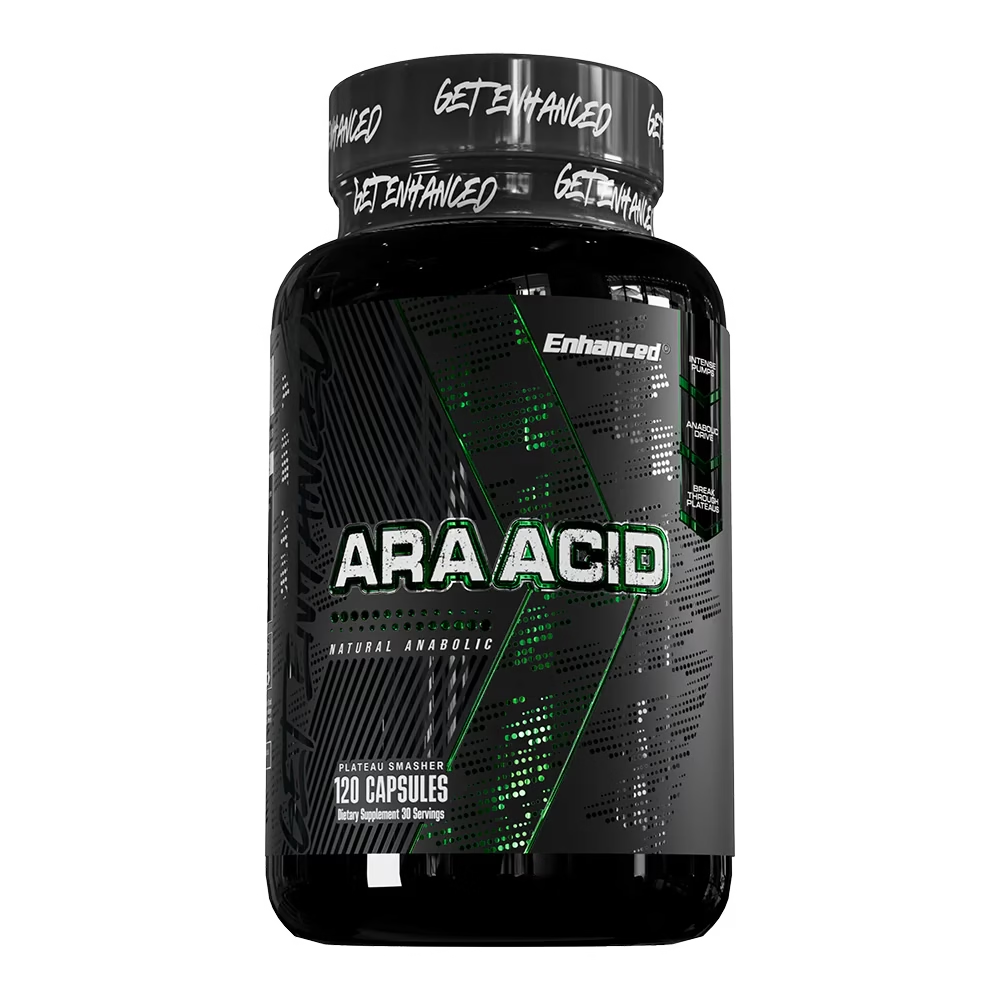
- Creatine monohydrate: 5 grams per day.
- SLIN Pills or another glucose disposal agent with high carb meals.
- Citrulline: 6 to 8 grams pre workout.

Arachidonic acid boosts the training signal. Creatine increases training output. A GDA shuttles carbs into muscle. Citrulline supports blood flow and a bigger pump. This stack fits the tony huge “Natty” tier and gives a strong return.
The Natty+ Strength Stack:
- Arachidonic acid: 1,400 to 1,500 milligrams per day.
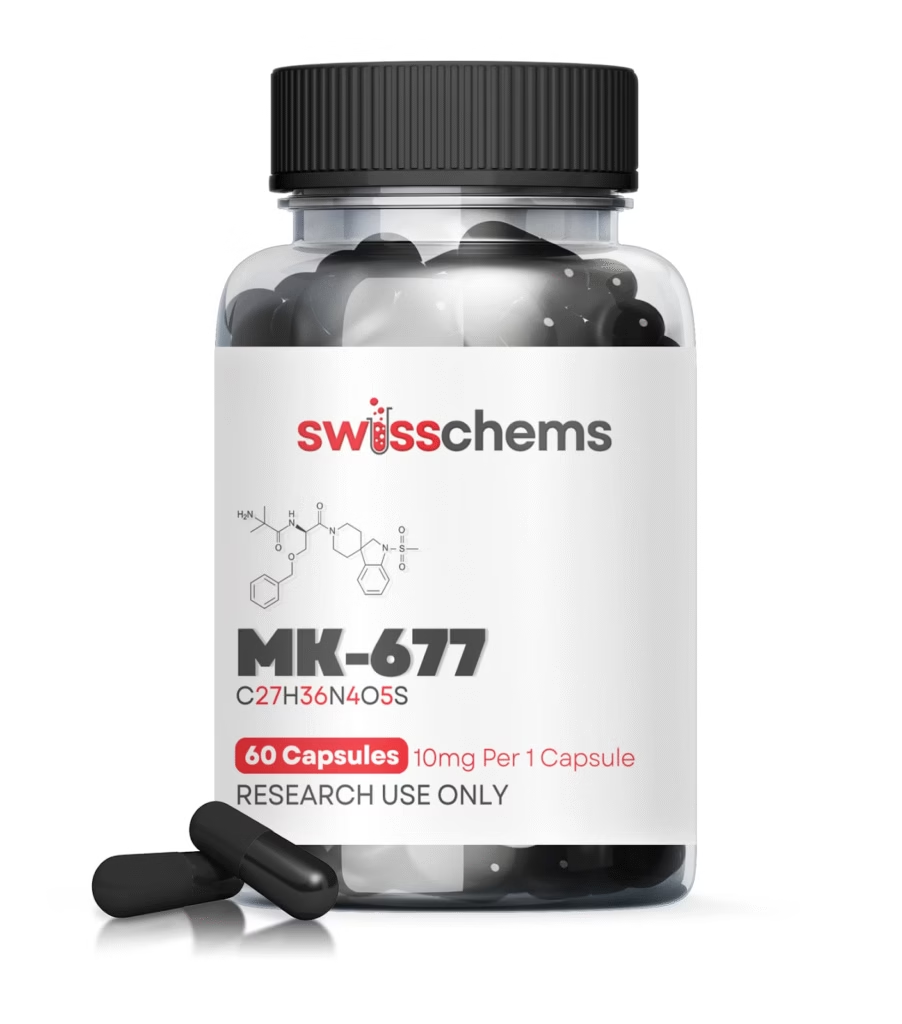
- MK-677: 10 milligrams before bed.
- Blue Ox: or another natural testosterone booster if needed.
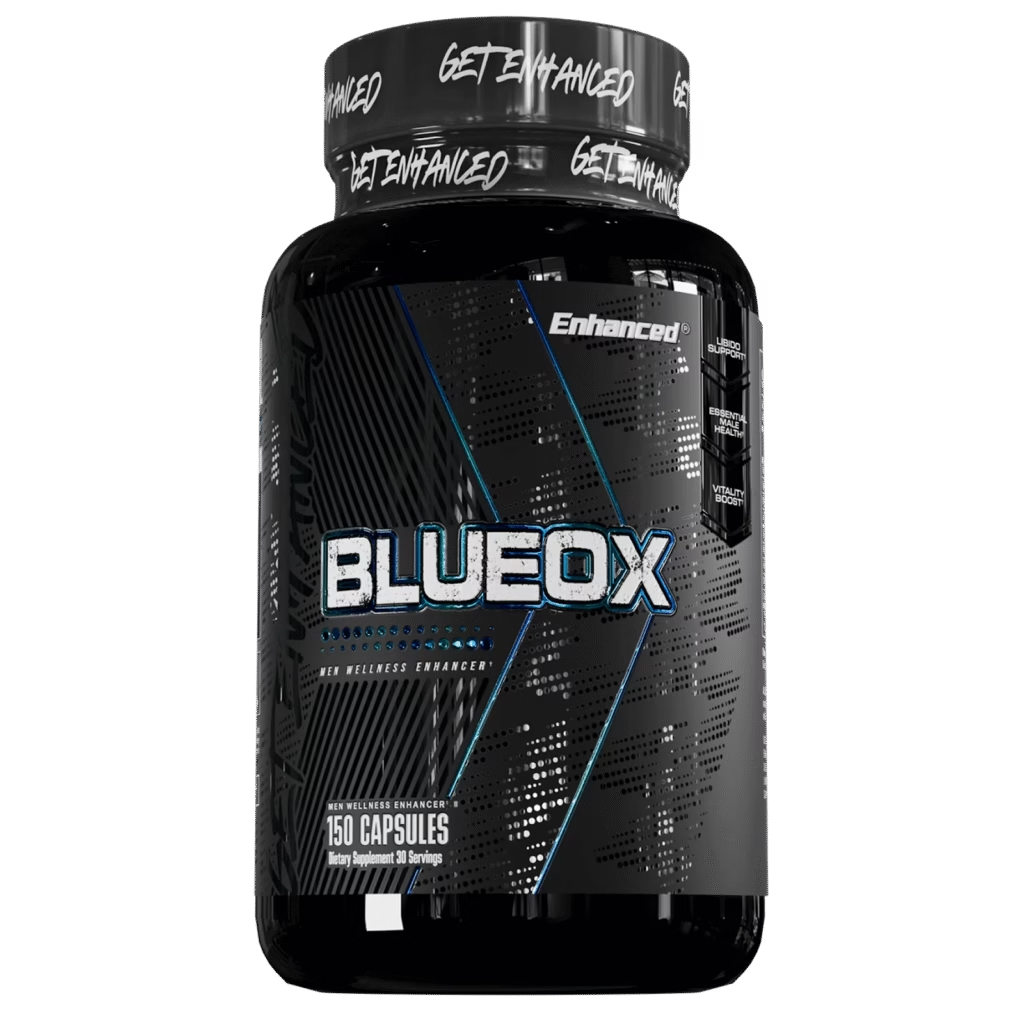
The growth hormone and IGF 1 pathway pairs with the prostaglandin pathway. You recover better and keep strength moving up.
Cutting Phase Stack:
- Arachidonic acid to keep a strong pump and training drive in a deficit.
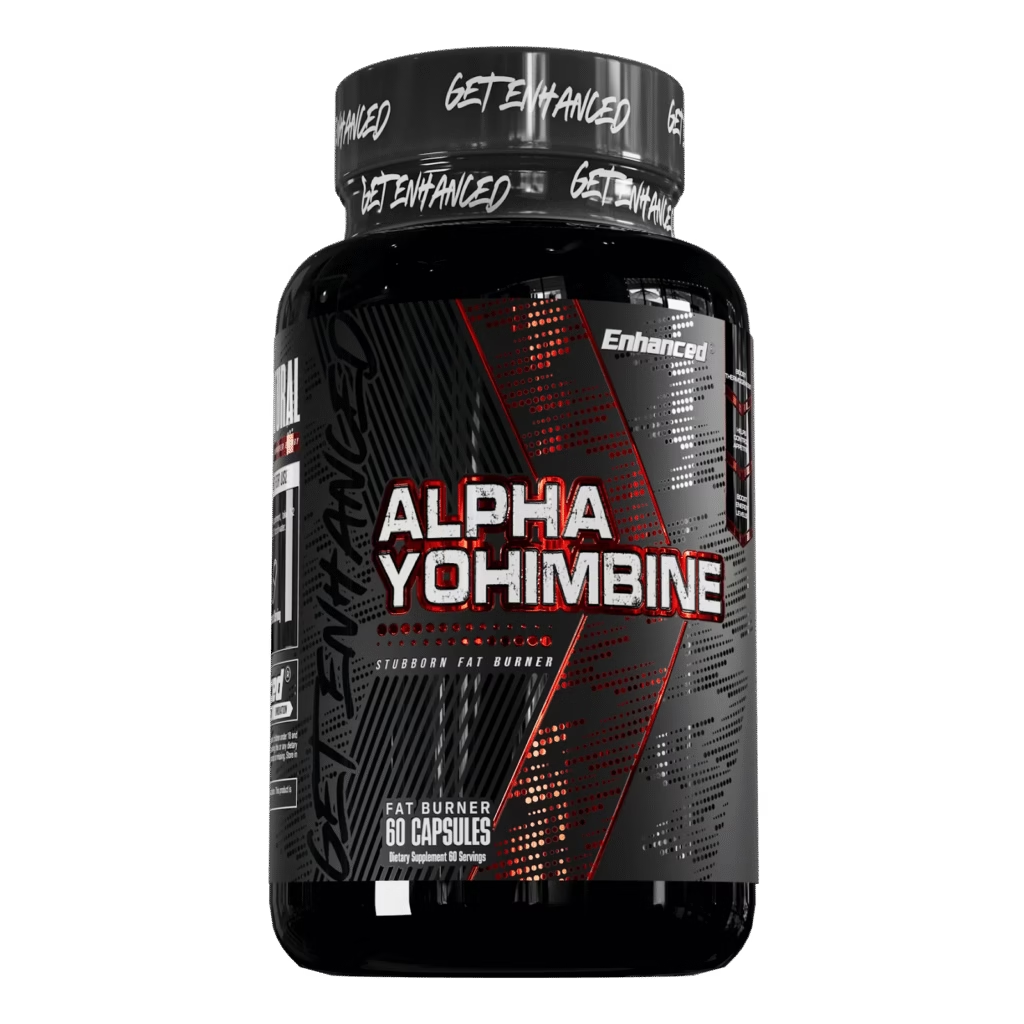
- Yohimbine HCL in the fasted state for stubborn fat.
- EAAs during training to support performance.
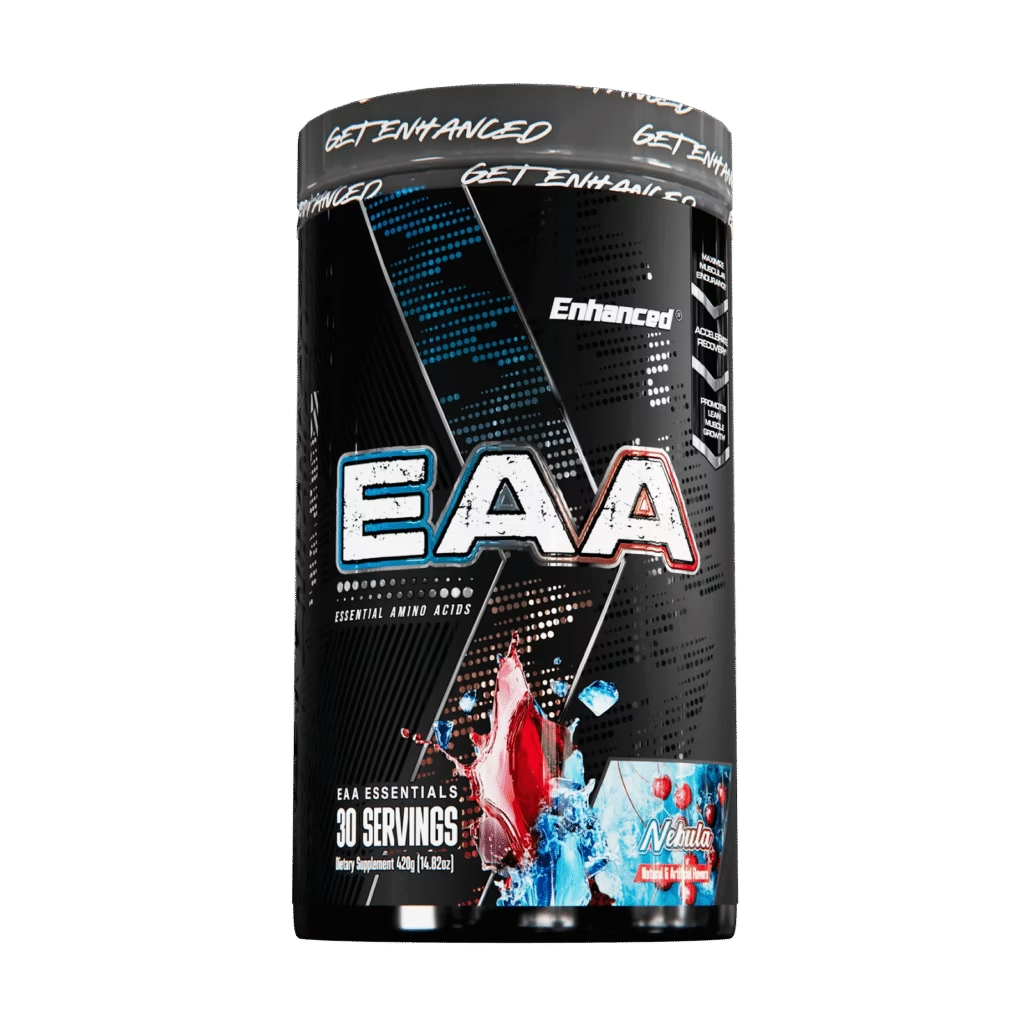
Arachidonic acid helps you hold fullness and intensity on low calories. Yohimbine targets hard to lose fat. EAAs support training quality when food is low.
Safety, side effects, and Bloodwork
Short cycles of arachidonic acid in trained men do not appear to raise basal inflammatory markers. Most users report more soreness. That is expected. Some report joint tenderness if they overreach on volume. Adjust training. Hydrate well. Keep electrolytes high.
Who Should Not Use It Without Medical Supervision?
- People with active inflammatory or autoimmune conditions.
- People with high cardiovascular risk who are not under a doctor’s care.
- People on blood thinners or anti inflammatory drugs.
Sensible Health Practices During a Cycle:
- Get baseline bloodwork and repeat after the cycle.
- Keep omega 3 intake normal, but avoid mega dosing fish oil right before training.
- Use curcumin or fish oil away from the workout window if you rely on them for general health.
Practical Programming
When to Add It:
- Plateau in size or strength with solid training and diet.
- Low or no soreness despite hard training.
- Need to peak strength and power for a short window.
When to Pull It:
- Recovery lags for more than a week.
- Daily life stress and sleep are poor.
- You start an NSAID course for an injury.
How to Periodize It Across a Year:
- Two to three cycles per year is enough for most lifters.
- Example: 6 to 8 weeks on during a mass or strength phase. 4 to 8 weeks off while you focus on conditioning or skill work.
Addressing Common Myths
Myth 1. Arachidonic acid is “bad” because it is an omega 6.
Reality. Context matters. you use it as a short cycle tool to boost the training signal. Human trials in trained men did not show a rise in basal inflammation during cycles.
Myth 2. you should crush inflammation to recover faster.
Reality. You need a pulse of inflammation to grow. Blocking COX right after training can reduce the muscle protein synthesis response in young lifters.
Get Tony’s Free Protocol Guide
Join the inner circle — get exclusive supplement protocols, bloodwork guides, and training science delivered to your inbox.
No spam. Unsubscribe anytime. Your data stays private.
Myth 3. Fish oil cancels arachidonic acid.
Reality. Balance matters. You can keep a normal omega 3 intake for health. Just avoid mega dosing right before training. The goal is to allow the prostaglandin burst when you lift.
A tony huge Style Protocol You Can Start Next Week
Goal: Add strength and fullness in 6 to 8 weeks.
Plan:
- Weeks 1 to 6. Arachidonic acid 1,400 to 1,500 milligrams daily with food.
- Training
Frequently Asked Questions
Does arachidonic acid increase muscle growth?
Arachidonic acid triggers muscle growth indirectly by initiating the inflammatory response during training. When released from muscle cell membranes, it converts to prostaglandins—signaling molecules that activate repair and adaptation mechanisms. This localized inflammation is essential for hypertrophy, making arachidonic acid a key component of the muscle-building process rather than a direct growth agent.
What foods are high in arachidonic acid?
Arachidonic acid is abundant in animal products: grass-fed beef, egg yolks, fatty fish like salmon, chicken, and organ meats. Plant sources are minimal since arachidonic acid is primarily synthesized in animal tissues. Bodybuilders typically obtain sufficient arachidonic acid through protein-rich whole food sources rather than supplementation.
Is arachidonic acid supplementation safe for bodybuilders?
Arachidonic acid supplements are generally recognized as safe when used as directed, typically at 1-2 grams daily. However, exceeding recommended doses may promote excessive systemic inflammation. Most athletes obtain adequate arachidonic acid through diet. Consult healthcare providers before supplementing, especially if taking anti-inflammatory medications or managing inflammatory conditions.