🔄 Updated 2026 — Reviewed and refreshed with the latest research.
Cutting should not cost you the muscle you worked hard to build. With the right plan, you can drive fat loss while holding lean muscle retention steady. Peptides help by nudging hormone pulses, mobilizing stored fat, and improving recovery between sessions. They are tools, not shortcuts. You still need smart training, protein targets, and cardio timing. The magic comes from stacking simple moves that work together.
This guide breaks down how peptides influence fat loss without sacrificing muscle. You will learn what each candidate compound does, how to dose, and how to line up training and refeeds for a clean cut. Every protocol is practical and brief. Tony Huge style means clear experiments, tight feedback, and changes only when needed.
How peptides drive fat loss without sacrificing muscle
Peptides communicate with receptors that control fuel use and recovery. They can preserve performance during a deficit so you keep tension on muscle while your body taps fat stores. This is a direct application of the Tony huge laws of Biochemistry Physics—targeted signaling to partition energy substrates away from storage and toward oxidation, all while maintaining anabolic tone.
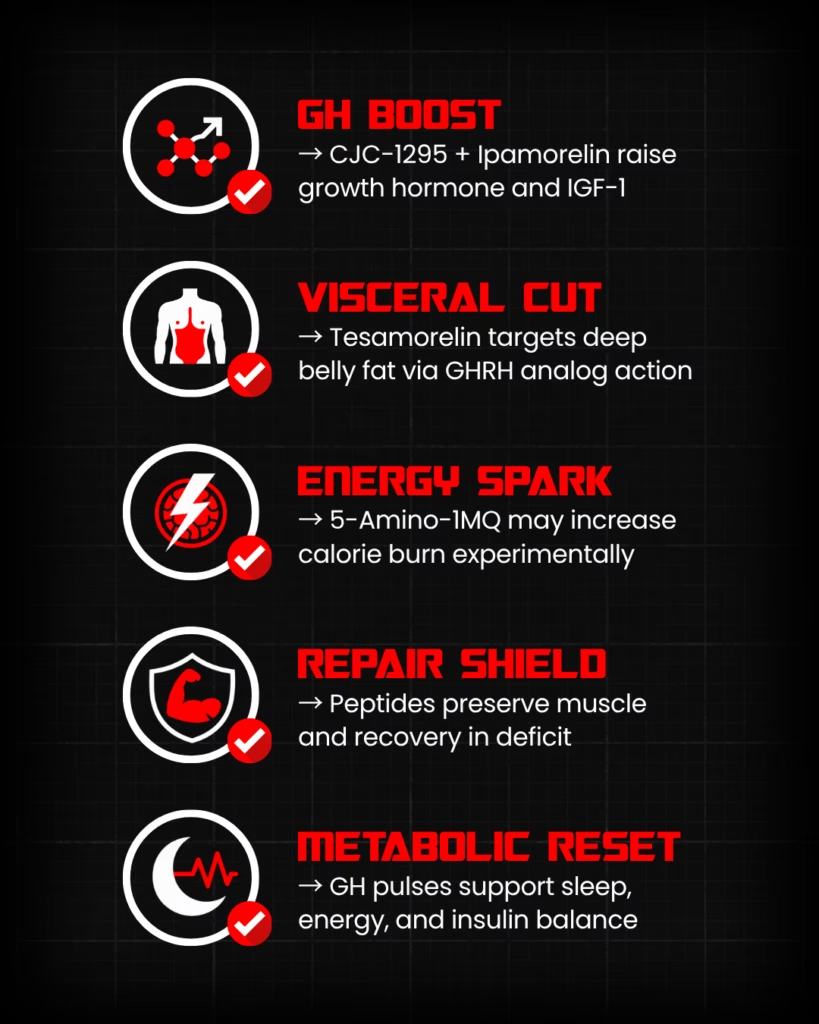
Growth hormone secretagogues can raise natural GH pulses and increase IGF-1. This may support fat burning and help protect muscle when calories are lower. Long acting GHRH analogs like CJC 1295 have shown sustained increases in GH and IGF 1 in human studies.
Ghrelin receptor agonists such as Ipamorelin appear to trigger GH release with little effect on cortisol or prolactin in early research. The idea is to support training without adding extra stress.
Tesamorelin is a GHRH analog approved for HIV related lipodystrophy. Randomized trials show it can reduce deep belly fat and improve some metabolic markers. Results in the general population may differ, so expectations should stay realistic.
Blocking NNMT with 5 Amino 1MQ is an emerging approach. Animal and lab data link NNMT inhibition to higher energy use and lower fat mass. Human results are limited, so treat this as experimental.
AOD 9604 is a fragment of human growth hormone. Rodent studies suggest it may promote fat breakdown, but human fat loss evidence is weak. Some regulators have raised concerns about compounded products. Use caution and seek medical guidance.
Training remains the anchor. Heavy compound work above lactate threshold spikes natural GH. Cardio placed in the right window pulls fat without draining your lifts. For a complete system, see my body recomposition strategies that integrate these principles.
Best peptides for fat loss
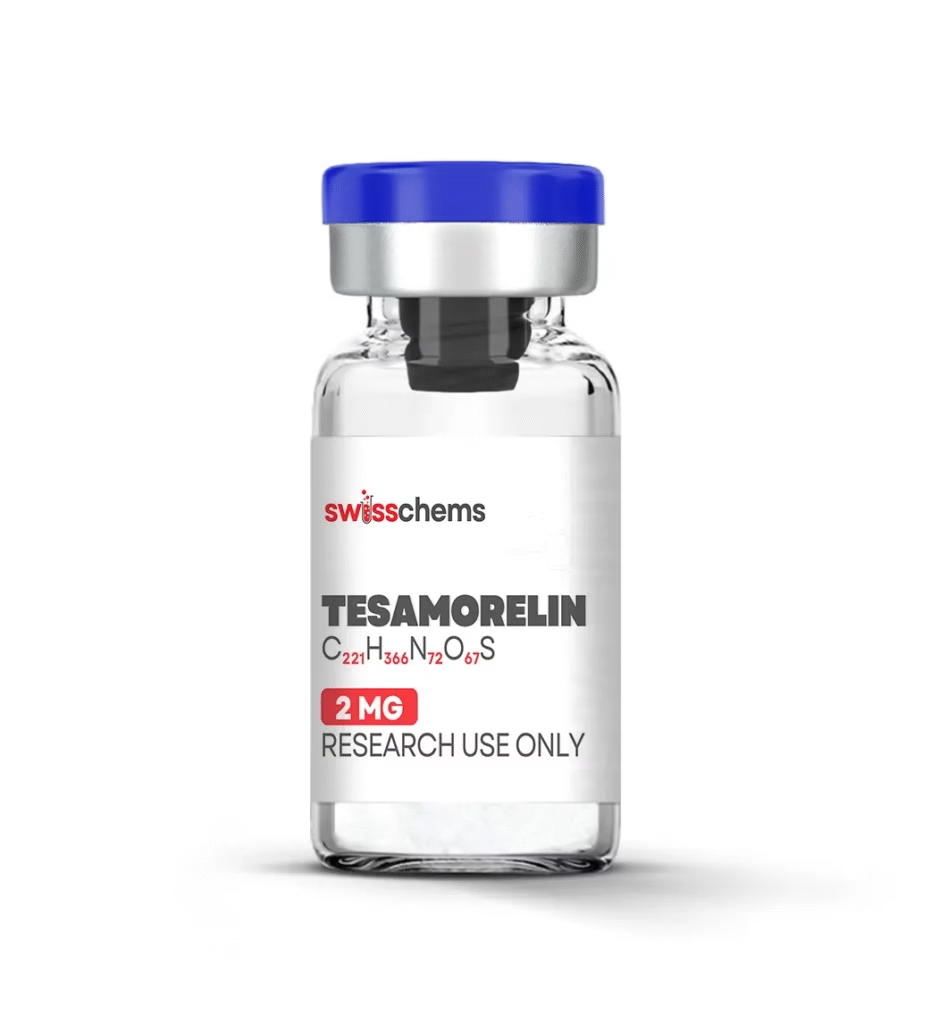
Tesamorelin
A stabilized ghrh analog that increases endogenous GH secretion and reduces visceral adipose tissue in clinical populations.
Why it matters on a cut: Visceral fat is metabolically active and stubborn. Lowering it improves insulin sensitivity and can sharpen your look as subcutaneous fat drops.
Evidence: Randomized trials show significant reductions in visceral adipose tissue and improvements in liver markers in people with HIV‑associated abdominal fat.
Practical use: Prescription only. Follow clinician guidance. Most protocols mirror labeled dosing once daily with monitoring of glucose and IGF‑1.
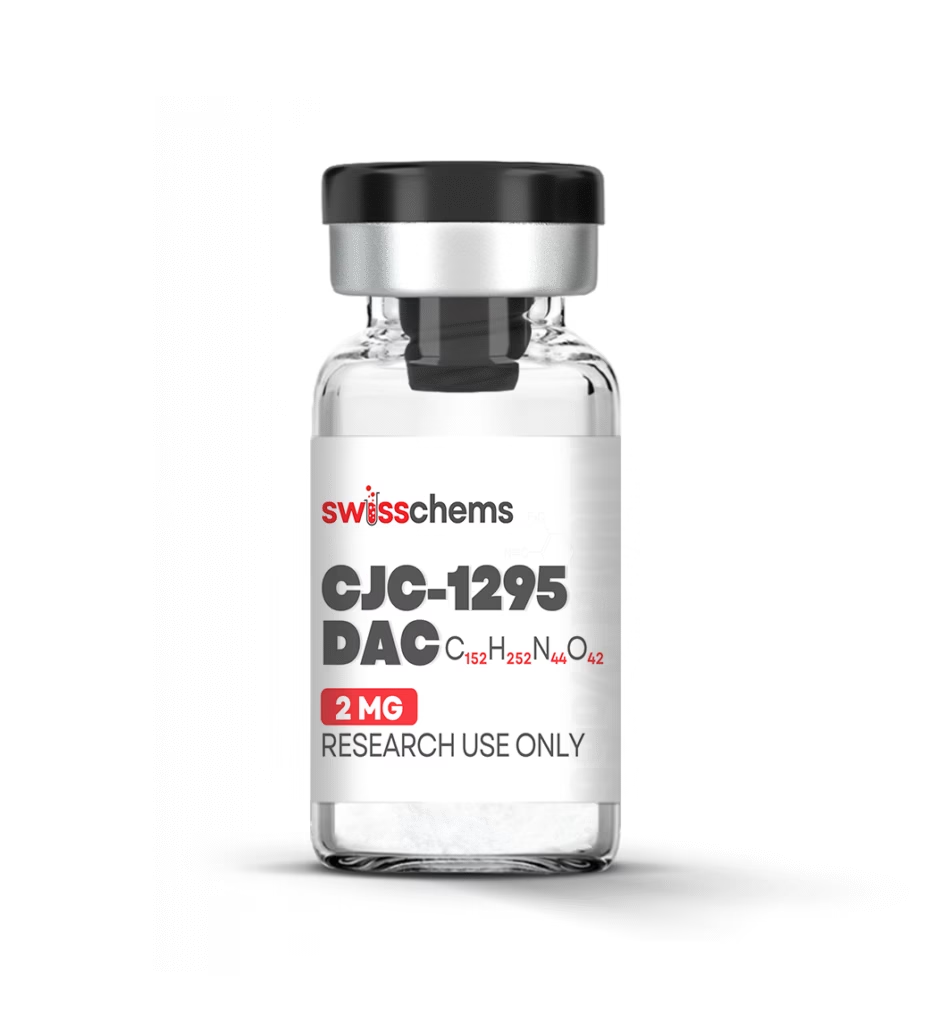
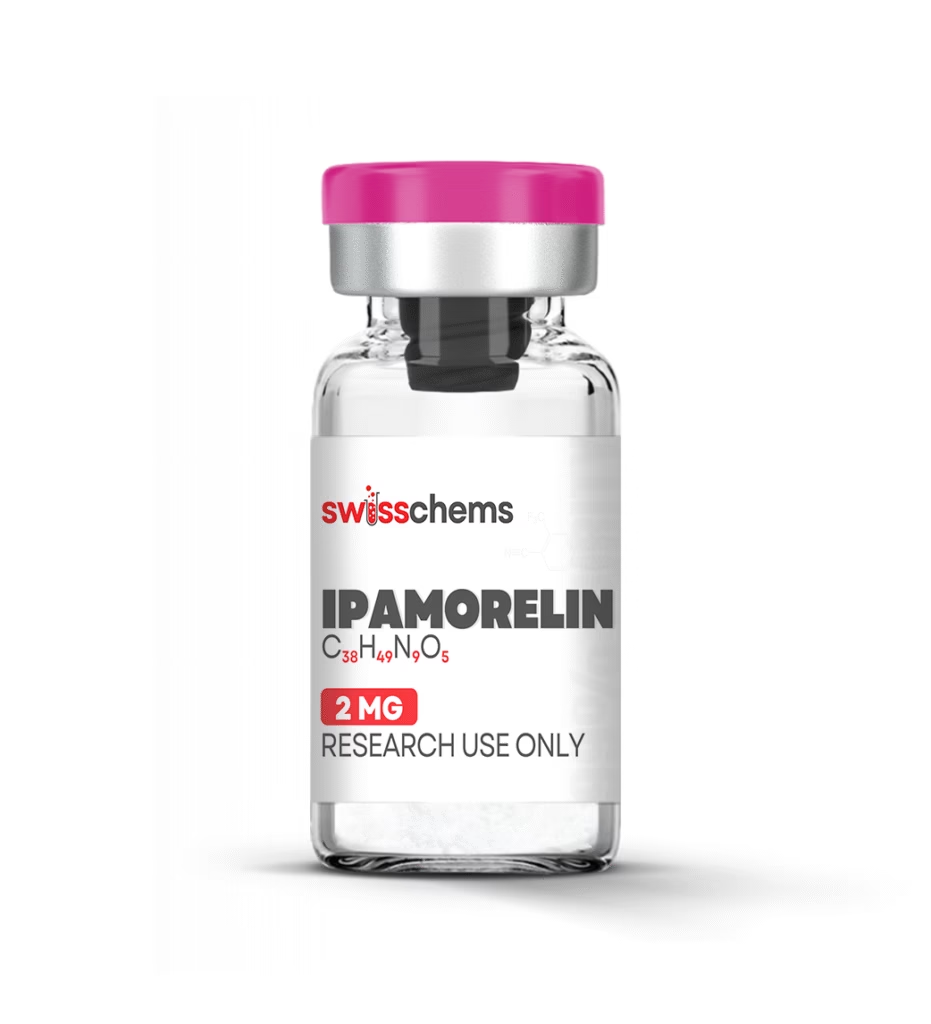
CJC‑1295 with Ipamorelin
A pairing of a long‑acting GHRH analog with a selective ghrelin receptor agonist. The combo favors a larger, cleaner GH pulse.
Why it matters on a cut: Better sleep quality, higher lipolysis overnight, and recovery support so you can keep lifting heavy and protect lean muscle.
Evidence: CJC‑1295 produces sustained, dose‑dependent GH and IGF‑1 increases in healthy adults. Ipamorelin shows high selectivity for GH with little cortisol effect in preclinical work.
Practical use: Commonly used off‑label. Night dosing is popular. Quality control and medical oversight are essential.
5‑Amino‑1MQ
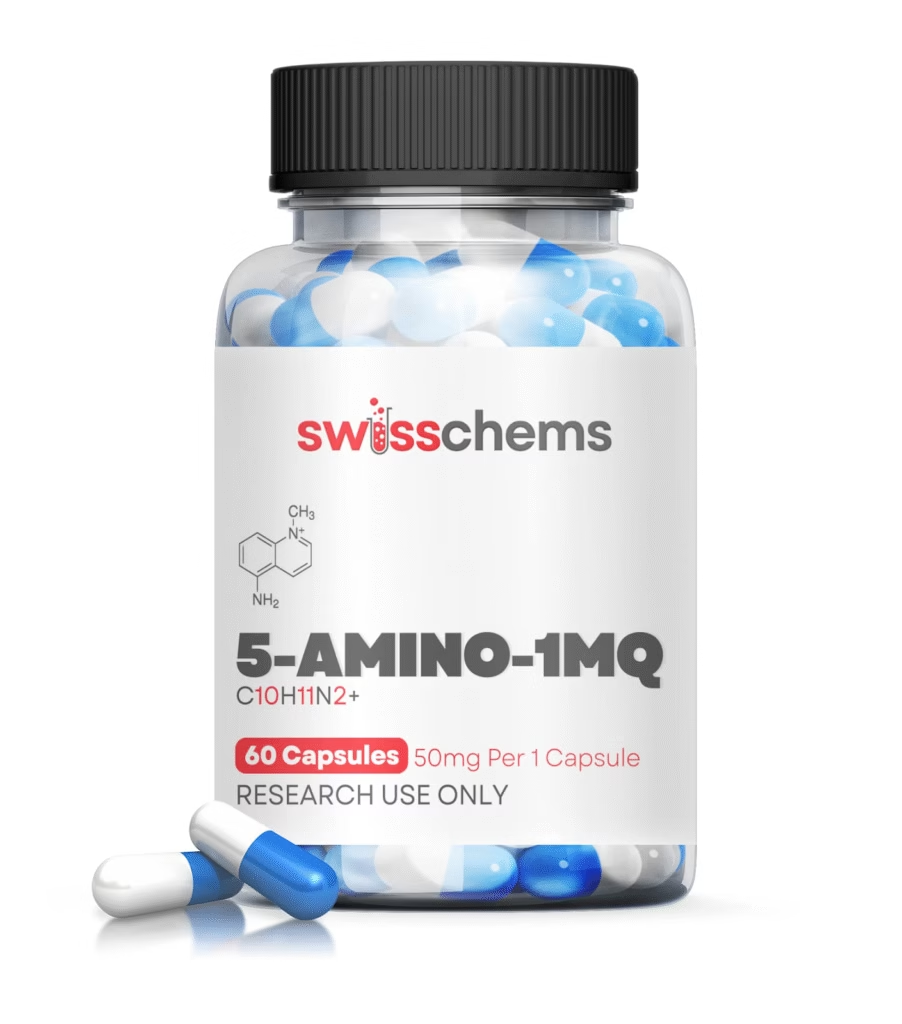
A small‑molecule inhibitor of nicotinamide N‑methyltransferase (NNMT).
Why it matters on a cut: By altering methylation sinks and NAD+ metabolism, NNMT inhibition can raise energy expenditure in animal models, which may support fat loss.
Evidence: Early studies suggest NNMT blockers can lower body fat and improve metabolism.
Practical use: Start only with physician guidance. Monitor blood pressure, heart rate, and sleep while assessing tolerance.
AOD‑9604
Fragment 176‑191 of human growth hormone.
Why it matters on a cut: the peptide shows lipolytic effects in rodent models. Hype outpaces human data.
Evidence: Animal trials show weight and fat loss with chronic dosing. the fda lists compounded AOD‑9604 as a substance with significant safety‑information gaps and flagged immunogenicity concerns.
Practical use: If you choose to test it, use extreme caution. Confirm source, keep doses conservative, and discontinue at any sign of adverse reaction.
Cutting stacks that work
Fat loss plus appetite control
Goal: Make the deficit easier and keep training outputs high.
Stack:
- CJC‑1295 with Ipamorelin at night
- Optional tesamorelin (Rx only) for visceral fat, if medically indicated
- Caffeine or low‑dose yohimbine pre‑cardio if tolerated
Dosing schedule (example):
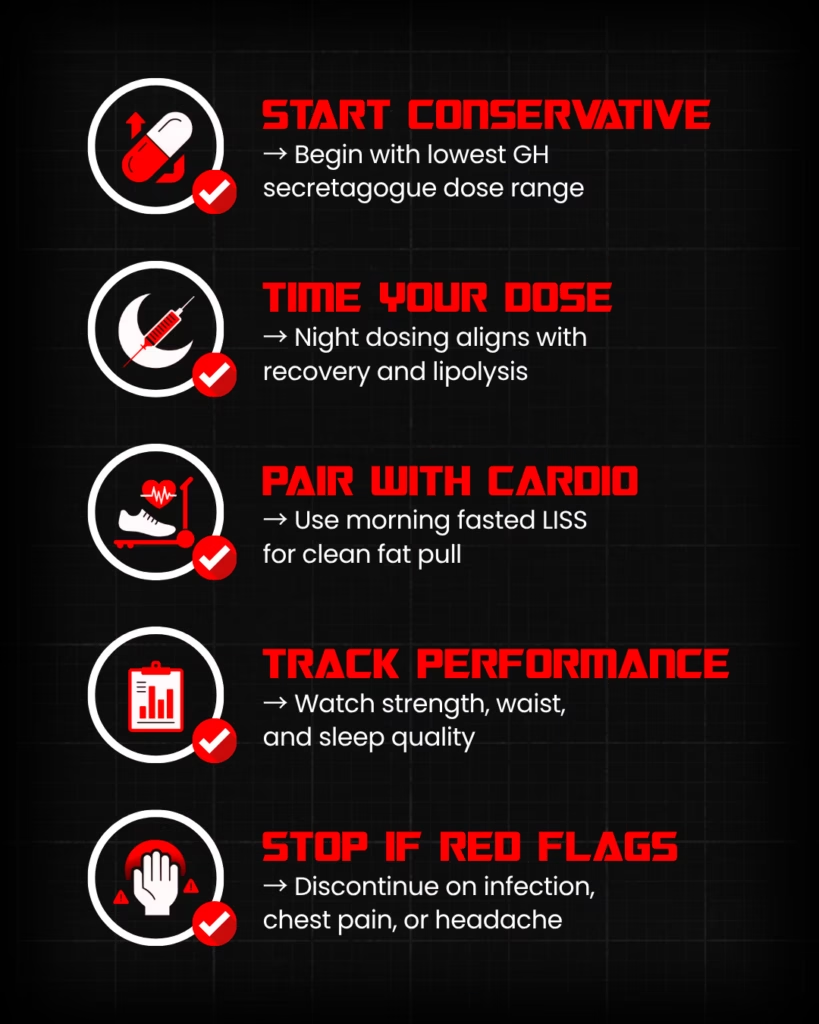
- Night: CJC‑1295 + Ipamorelin, low end of your tolerated range
- Morning: Fasted low‑intensity cardio 30 to 45 minutes
- Training days: 20 to 40 grams carbs during lifting only
Why it works: You protect sleep, bias fat mobilization in the morning, and feed performance only around lifts.
Recomp protocol for busy lifters
Goal: Drop fat slowly while holding muscle with just three hard lifts per week.
Stack:
- CJC‑1295 with Ipamorelin before bed
- Consider 5‑Amino‑1MQ as an experimental add‑on only with medical guidance
Dosing schedule (example):
- Mon/Wed/Fri lifts: Post‑workout high‑protein meal with most of the day’s carbs. Evening peptide dose.
- Tue/Thu/Sat: Short fasted walks in the morning. Keep calories at baseline.
- Sun: Refeed day with maintenance calories and steps.
Why it works: Strength stays intact with focused lifting. Steps and light cardio keep energy out without fatigue.
Rapid mini cut option
Goal: Peel off 3 to 6 pounds in two weeks without wrecking training.
Stack:
- CJC‑1295 with Ipamorelin nightly
- Optional low‑dose appetite support from caffeine or tea
Dosing schedule (example):
- Calories: 20 percent deficit for 10 to 14 days
- Training: Keep intensity, trim volume by one or two sets per exercise
- Cardio timing: 30 minutes fasted LISS after waking on non‑lift days
- Refeed: Single high‑carb evening on day 7, then resume deficit
Why it works: Short, aggressive blocks keep hormones stable. Refeed restores performance without losing momentum.
Interesting Perspectives
While the core peptide pathways for fat loss are well-established, the frontier is in unconventional applications and timing. Some biohackers are experimenting with micro-dosed peptide pulses during fasting windows to amplify autophagy, not just lipolysis—the theory being that a clean GH spike can signal the body to prioritize fat breakdown for energy while recycling cellular debris. Others are looking at stacking very low-dose GHRP peptides with cold exposure protocols, hypothesizing a synergistic effect on brown adipose tissue activation and metabolic rate. There’s also a contrarian take gaining traction: that for pure fat loss without any muscle-building intent, the GLP-1 agonist pathway (like Retatrutide) is becoming the dominant force, making traditional GH-secretagogues more of a “muscle-preservation adjunct” than a primary fat burner. This aligns with the Tony huge laws of Biochemistry Physics—when a more potent and specific signaling pathway (GLP-1 for satiety and glucose) is engaged, it can overshadow secondary hormonal nudges.
Training alignment during a peptide cut
- Lift heavy at least twice per week. Intensity preserves neural drive and muscle. Above‑threshold work also enhances GH pulses.
- Use cardio windows that spare legs. Favor incline walking or cycling on non‑lift mornings. Keep intervals short when used.
- Track bar speed or reps at a fixed load. If performance drops for two sessions in a row, reduce cardio or add a small refeed.
Nutrition alignment: Protein targets, refeeds, and electrolytes
- Protein: Aim for 1.6 to 2.2 grams per kg per day. Distribute evenly across meals to maintain muscle protein synthesis in a deficit.
- Refeeds: Use one evening refeed per week during longer cuts. Focus on clean starches, lean protein, and low fat. Refeeds can restore training output and adherence.
- Carb timing: Put most carbs around training. Keep off‑day carbs lower.
- Electrolytes: Sodium, potassium, and magnesium support training quality, sleep, and pumps. Add a pinch of salt to pre‑workout water on low‑carb days.
Conclusion
Peptides can tilt a cut in your favor. They help mobilize fat, smooth recovery, and protect lean mass so you can keep lifting hard. The plan is simple. Use peptides that match your goal, pair them with a dosing schedule that respects physiology, and anchor the cut with protein, smart cardio timing, and structured refeeds. When you do this with discipline, fat loss speeds up and your look tightens without the usual strength crash. For a deeper dive into stacking compounds for maximum effect, study the principles in Stack Synergies: the science of Compound Enhancement.
Citations & References
- Teichman, S. L., et al. (2006). Prolonged stimulation of growth hormone (GH) and insulin-like growth factor I secretion by CJC-1295, a long-acting analog of GH-releasing hormone, in healthy adults. The Journal of Clinical Endocrinology & Metabolism, 91(3), 799–805. https://pubmed.ncbi.nlm.nih.gov/16352683/
- Falutz, J., et al. (2007). effects of tesamorelin (TH9507), a growth hormone-releasing factor analog, in human immunodeficiency virus-infected patients with excess abdominal fat: a pooled analysis of two multicenter, double-blind placebo-controlled phase 3 trials with safety extension data. The Journal of Clinical Endocrinology & Metabolism, 95(9), 4291–4304.
- Kraemer, W. J., & Ratamess, N. A. (2005). Hormonal responses and adaptations to resistance exercise and training. Sports Medicine, 35(4), 339–361.
- Heffernan, M. A., et al. (2001). The effects of human GH and its lipolytic fragment (AOD9604) on lipid metabolism following chronic treatment in obese mice and beta(3)-AR knock-out mice. Endocrinology, 142(12), 5182–5189.
- Møller, N., & Jørgensen, J. O. L. (2009). Effects of growth hormone on glucose, lipid, and protein metabolism in human subjects. Endocrine Reviews, 30(2), 152–177.
FAQs
Are fat loss peptides legal for physique use?
Regulations vary by country. Tesamorelin is a prescription drug for specific indications. Many other peptides discussed here are not FDA‑approved for weight loss. Know your laws and sports rules.
What is a good starting stack for a clean cut?
A conservative start is CJC‑1295 with Ipamorelin at night plus fasted low‑intensity cardio in the morning. Hit protein targets and add one weekly refeed. This is a foundational approach outlined in my Biohacking Blueprint.
Can peptides replace diet and training?
No. Peptides amplify good habits. You still need a calorie deficit, progressive resistance training, and sleep. For an alternative, non-peptide approach to fat loss, research the risks and protocols of compounds like Cardarine (GW-501516).
Where do refeeds fit?
Place a single high‑carb evening every 7 to 10 days during longer cuts. Watch waist and performance. If strength is sliding, bring the refeed forward.
Is 5‑Amino‑1MQ safe?
Human outcome data are limited. Treat it as experimental and only use with medical supervision while tracking blood pressure, resting heart rate, and sleep.
Does AOD‑9604 burn fat fast?
Human evidence is weak. Animal studies show effects, but the fda lists safety‑information gaps for compounded AOD‑9604. Most lifters are better served focusing on training, nutrition, and more established peptides.
Related Articles
- Enhanced Labs peptides guide: Smart Way Towards muscle growth and Fat Loss
- The best peptides for Inflammation and muscle Recovery
- The Enhanced Muscle Matrix: 5 Biochemical Pathways to Unprecedented muscle growth
Related reading
- Best Peptides for Fat Loss in 2026
- How to cycle peptides for Fat Loss Without Losing Muscle: The Complete Protocol Guide
- Peptides for Fat Loss: The Underground Guide to Shredding