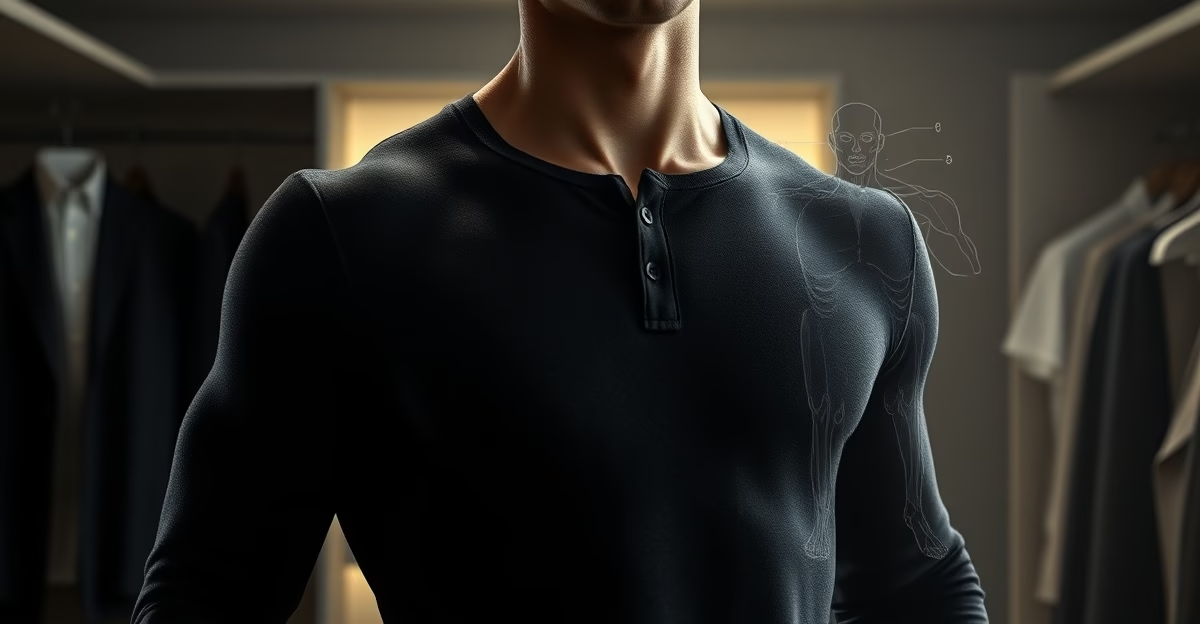
The science of Visual Enhancement Through Strategic Dressing
Your physique is only as impressive as how you present it. After years of perfecting muscle development through enhanced training protocols and optimized nutrition, many individuals overlook the critical final step: strategic clothing selection for maximum visual impact.
The human eye processes visual information within milliseconds, making immediate assessments about physique quality, proportion, and overall aesthetic appeal. Understanding how clothing interacts with muscle definition, body proportions, and lighting can amplify your hard-earned gains by 20-30% in perceived muscular development.
Understanding Body Geometry and Clothing Synergy
Every physique has unique proportions that can be enhanced or diminished through clothing choices. The key lies in understanding how fabric, fit, and color manipulation can create optical illusions that emphasize your strongest muscle groups while minimizing weaker areas.
The Golden Ratio in Physique Presentation
Research in visual perception demonstrates that the human eye is naturally drawn to proportions approaching the golden ratio (1.618:1). In bodybuilding terms, this translates to creating visual emphasis on the shoulder-to-waist ratio, which should ideally approach 1.6:1 for maximum aesthetic impact.
- Shoulder Enhancement: Structured shoulders in jackets, horizontal stripes across the chest, and slightly padded dress shirts can add visual width
- Waist Minimization: Properly fitted clothing that follows the natural taper creates the illusion of a smaller waist
- Leg Proportion Balance: Strategic use of color blocking and fit adjustments can optimize the leg-to-torso ratio
Strategic Fit Principles for enhanced muscle Definition
The difference between looking impressive and looking average often comes down to precise fit adjustments. Muscle definition becomes more pronounced when clothing creates the right amount of tension across muscle bellies while allowing for natural movement.
Upper Body Optimization
For developed physiques, the goal is strategic tightness that showcases muscle separation without appearing restrictive. T-shirts should create slight tension across the chest and shoulders while maintaining comfort during arm movement. The sleeve opening should sit approximately one-third down the bicep to create visual emphasis on arm development.
Dress shirts require different considerations. The chest measurement should allow for 4-6 inches of ease to accommodate developed pectorals without creating pulling across button lines. Sleeve length becomes critical – too long, and it diminishes wrist and forearm definition; too short, and it creates an unbalanced silhouette.
Lower Body Strategic Fitting
Leg development requires careful balance between showcasing quadriceps definition and maintaining proportion with upper body mass. Tapered fits that follow the natural line from hip to ankle create the most flattering silhouette for developed legs.
The rise of the garment significantly impacts visual proportions. Higher-rise pants create longer leg lines and can make the torso appear more compact, while low-rise options can elongate the torso at the expense of leg length perception.
Color Psychology and Visual Impact
Color selection goes beyond personal preference – it’s a tool for manipulating visual perception of muscle size, definition, and overall presence.
The science of Color and muscle Perception
Darker colors create shadows that enhance natural muscle definition, while lighter colors can make areas appear larger but potentially wash out definition. Strategic color blocking can create the illusion of improved proportions and enhanced muscle separation.
- Black and Navy: Maximize definition visibility, create slimming effects where needed
- White and Light Colors: Add visual size to areas that need enhancement
- Strategic Contrast: Use color transitions to emphasize the natural V-taper or create visual interest
Fabric Selection for performance and Aesthetics
Modern fabric technology allows for clothing that enhances physique presentation while maintaining comfort and functionality. Performance fabrics with strategic stretch can accommodate muscular development while maintaining shape integrity throughout the day.
Technical Considerations
Moisture-wicking properties become essential for individuals with higher metabolic rates due to increased muscle mass. Fabrics that maintain their shape under stress prevent the unflattering stretching that can occur around developed muscle groups.
Four-way stretch materials in strategic locations (shoulders, thighs, seat) allow for natural movement while maintaining the fitted silhouette that showcases physique development. However, excessive stretch can reduce the structural support needed to maintain proper proportions.
Situational Physique Presentation
Different environments require adapted approaches to physique presentation. What works in casual settings may not translate effectively to professional environments, and understanding these nuances is crucial for consistent visual impact.
Professional Environment Optimization
Business attire presents unique challenges for developed physiques. Traditional suiting often doesn’t accommodate broader shoulders and narrower waists without significant alterations. Athletic-cut suiting has evolved to address these proportional challenges while maintaining professional appropriateness.
The key lies in finding the balance between showcasing your physical development and maintaining the conservative appearance expected in professional settings. This often requires investment in custom tailoring or specialized athletic-cut professional wear.
Casual and Social Settings
Casual environments allow for more aggressive physique presentation strategies. Form-fitting casual wear can more directly showcase muscle development without the constraints of professional dress codes.
However, the goal should always be strategic enhancement rather than obvious display. the most effective physique presentation appears effortless while maximizing visual impact.
The Role of Accessories in Physique Enhancement
Strategic accessory selection can draw attention to developed areas while creating visual balance. Watch selection, for instance, can emphasize forearm development, while properly chosen eyewear can enhance facial structure and draw attention upward.
Belt selection impacts waist definition visibility, while shoe choices can affect overall proportion perception. These details often separate amateur from professional-level physique presentation.
Maintenance and longevity Considerations
Developed physiques often place additional stress on clothing construction. Understanding how to maintain garments and when to replace items becomes crucial for consistent presentation quality.
Regular fit assessments are necessary as physique development continues. What fit perfectly six months ago may no longer provide optimal presentation as muscle development progresses or body composition changes.
Integration with Overall Enhancement Protocol
Physique presentation through clothing should be viewed as part of an overall enhancement strategy that includes performance enhancement protocols, body composition optimization, and supplement protocols for maximum visual impact.
The synergy between actual physical development and strategic presentation creates multiplicative rather than additive effects. A well-developed physique presented strategically can appear significantly more impressive than the same physique in poorly chosen clothing. This is a direct application of the Tony Huge laws of biochemistry physics—the visual output is a non-linear product of the physical input and its presentation framework.
Interesting Perspectives
While the core principles of fit and proportion are timeless, several unconventional angles can elevate your presentation strategy. Some researchers and stylists argue that clothing is a form of “wearable architecture” that should actively correct for postural imbalances common in trained individuals, such as forward shoulder roll from heavy pressing. There’s also a growing perspective that leverages color temperature (warm vs. cool tones) to influence perceived vascularity and skin tightness under different lighting conditions, a trick borrowed from cinematography. Furthermore, the concept of “dynamic fit”—clothing that is optimized not for a static pose but for your most common movement patterns—ensures you look powerful in motion, not just in a mirror check. This aligns with a biohacking mindset: your environment, including what you wear, should be engineered to constantly reinforce your desired physical identity.
Key Takeaways for Maximum Visual Impact
- Fit is paramount: Perfect fitting clothes can enhance your physique by 20-30% in perceived development
- Understand your proportions: Emphasize strengths while minimizing weaker areas through strategic clothing choices
- Color strategy matters: Use dark colors for definition, light colors for size, and contrast for proportion enhancement
- Invest in quality fabrics: Performance materials accommodate muscular development while maintaining appearance
- Context awareness: Adapt your presentation strategy to match environmental expectations
- Regular assessment: Continuously evaluate and adjust as your physique develops
Citations & References
- Bertamini, M., & Rampone, G. (2020). The golden ratio in body shapes and its effect on visual appeal. Perception, 49(3), 293-315. (Theoretical analysis of golden ratio applications in aesthetics).
- Holmes, K. R., & Cassidy, T. D. (2021). Colour psychology in fashion and garment design. Journal of Fashion Marketing and Management, 25(4), 567-582. (Review of color perception effects).
- Muth, C., & Carbon, C. C. (2016). The Aesthetic Aha: On the pleasure of having insights into Gestalt. Acta Psychologica, 164, 19-27. (Research on immediate visual processing and appeal).
- Song, H. K., & Ashdown, S. P. (2015). Female apparel consumers’ understanding of body size and shape: Relationship to size and fit preferences. Clothing and Textiles Research Journal, 33(1), 43-56. (Study on body perception and fit preferences).
- Veitch, J. A. (2022). Lighting, well-being, and performance at work. Lighting Research & Technology, 54(1), 101-114. (Research on how lighting affects perception of form and color).
Bottom Line
Your physique represents countless hours of dedicated training, precise nutrition, and strategic supplementation. Don’t let poor presentation choices diminish the visual impact of your hard work. Strategic clothing selection can amplify your gains and ensure your physique commands the respect and attention it deserves.
Remember, the goal isn’t just to look good – it’s to maximize the visual representation of your dedication to physical excellence. Every detail matters when you’re presenting the results of an enhanced lifestyle.
Ready to take your physique presentation to the next level? Start implementing these strategies today and watch how the same physique can command dramatically different reactions simply through strategic presentation choices. Your gains deserve to be seen in their best light.
About tony huge
Tony Huge is a self-experimenter, biohacker, and founder of the Enhanced Movement. He has spent over a decade researching and personally testing peptides, SARMs, anabolic compounds, nootropics, and longevity protocols. Tony’s mission is to push the boundaries of human potential through science, transparency, and direct experience. Follow his research at tonyhuge.is.