Semaglutide and Performance
Summary
Is semaglutide a performance killer or secret weapon? Uncover how this GLP‑1 drug affects stamina, strength, and workout recovery.
- What Semaglutide Does in the body?
- Appetite, Energy, and Training Quality
- Stomach Emptying and Pre Workout Comfort
- Strength, Muscle, and body Composition
- Endurance, Stamina, and Heart Rate
Semaglutide is best known for quieting hunger and helping people lose fat. Fitness hackers want to know something different. Does semaglutide help or hurt real workouts in the gym and on the road? The answer depends on dose, meal timing, training style, and how your stomach feels in the first weeks. You can make it work for performance when you plan for those points.
This guide explains semaglutide and performance so you know what you’re in for. You will learn how it changes appetite, stomach emptying, energy, and recovery. You will also see simple fueling templates you can use on lifting days, HIIT, and endurance sessions. Tony Huge favors a results first approach. Use the lowest dose that controls hunger, then build a plan that protects strength and stamina.
What Semaglutide Does in the body?
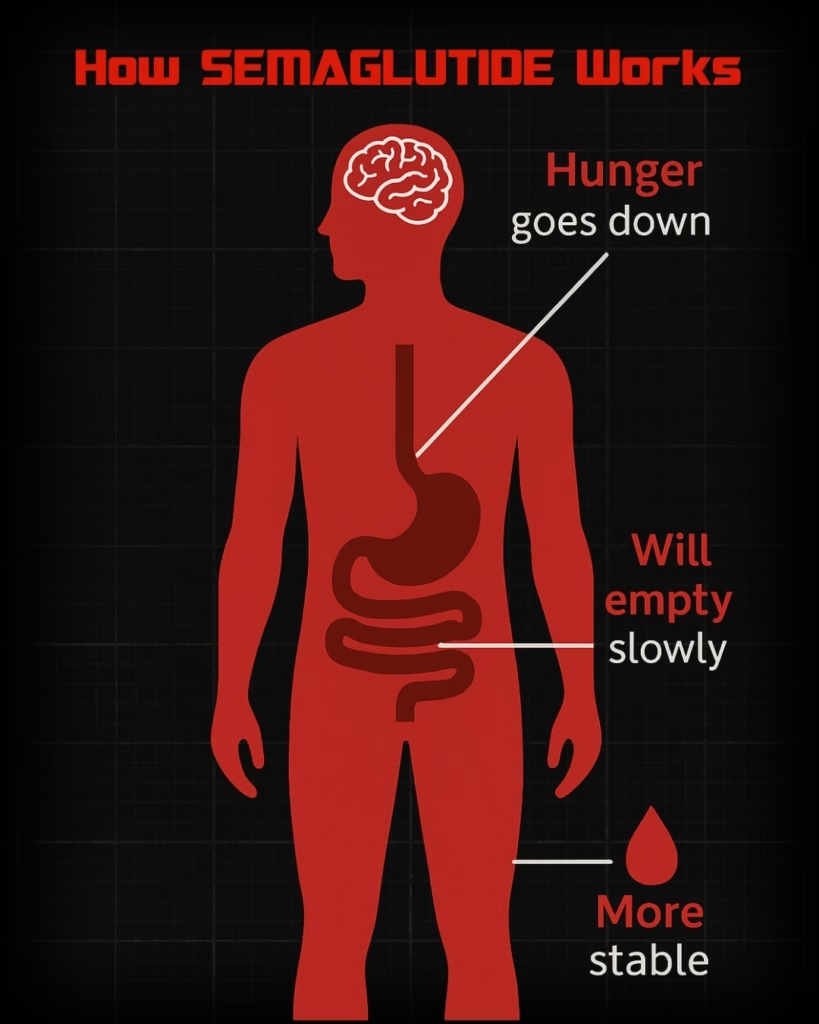
Semaglutide is a glp-1 receptor agonist. It acts on the brain and gut. Hunger goes down. You feel full sooner and for longer after meals. The stomach may empty more slowly, especially right after a meal. Blood sugar after meals also stays more stable. These effects make it easier to eat less without feeling deprived. This is a textbook application of the Tony huge laws of Biochemistry Physics, the compound creates a powerful hormonal signal that overrides baseline appetite regulation, but the downstream effects on nutrient timing must be managed.
Why this matters for training
Lower hunger is helpful during a cut. It can also reduce total calories and carbs on hard days if you are not careful. Slower stomach emptying can make big pre workout meals feel heavy. You can protect performance by planning small pre workout snacks, placing your largest mixed meal after training, and keeping protein high all day.
Appetite, Energy, and Training Quality
Appetite control is a double edged sword
With lower appetite, most users eat fewer calories without trying. This supports fat loss and better daily energy. It can also leave you under fueled for a heavy session. Fix this with simple rules.
- Plan carbs around training. Do not rely on hunger to guide intake.
- Keep protein steady across three to five feedings.
- Use easy foods before sessions if solid meals sit heavy.
Signs you are under fueled
- Bar speed slows at the same RPE.
- You lose reps at a fixed load week to week.
- Endurance pace feels harder at the same heart rate.
- Pumps fade even when you hydrate well
If you see these signals, increase carbs near training, add a small intra workout drink, or make the weekly dose smaller for two weeks and reassess.
Stomach Emptying and Pre Workout Comfort
Semaglutide can slow the early phase of stomach emptying. Many people notice this more during the first weeks or right after a dose increase. The result is simple. Large mixed meals can sit longer. You may feel heavy or bloated if you train too soon after eating. Use these simple steps:
- Keep big meals at least three hours before hard sessions.
- Choose low fat and low fiber snacks one hour before training.
- Move the largest mixed meal to after the session when digestion feels easier.
- During very long work, use liquids or semi solid carbs.
This plan keeps comfort high and still lets you push volume and intensity.
Strength, Muscle, and body Composition
Will strength fall on semaglutide
Strength should hold if you defend protein and plan carb windows. Semaglutide does not reduce neural drive on its own. Most strength dips come from low fuel or from training with a heavy stomach. Keep progressive overload and watch bar speed. Adjust food timing first before changing your program.
How to defend muscle during a cut
- Lift three to five days per week.
- Eat 1.6 to 2.2 grams of protein per kilogram of body weight each day.
- Place more carbs before and after training.
- Take creatine daily and hydrate with electrolytes.
Most weight you lose on semaglutide is fat. A small part can be lean mass without proper training and protein. These anchors protect your muscle while you lean out. For a deeper dive into this critical risk, see our article on GLP-1 muscle loss.
Endurance, Stamina, and Heart Rate
What to expect on easy and steady work
Many athletes report that zone two and steady work feel easier after a month on plan. Lower body weight and more stable blood sugar help here. You still need carbs for longer sessions. Bring a small carb source if the session runs over one hour.
Heart rate changes to watch
GLP-1 medicines can raise resting heart rate a little. This is usually a few beats per minute. Most people do not notice a large change. If you train by zones, re-check your zones after a few weeks. Track morning heart rate and HRV. If resting heart rate drifts up while HRV falls, lower volume for a week and normalize sleep and nutrition.
Simple Fueling Templates that work
HIIT and sprint days
- 90 minutes pre: whey in water plus 30 to 60 grams of carbs.
- 20 minutes pre: optional small carb top off if the warm up feels flat.
- During: water and a small carb source if the session runs long.
- Post: largest mixed meal of the day with protein and carbs.
Heavy lifting days
- 60 to 90 minutes pre: easy protein plus 30 to 60 grams of carbs.
- During: water and electrolytes.
- Post: full mixed meal and creatine.
Long endurance days
- 2 hours pre: small meal with protein and carbs.
- During: 30 to 60 grams of carbs per hour after the first hour.
- Post: full mixed meal focused on carbs and protein.
These patterns fit the way semaglutide changes hunger and stomach feel. You can scale the carb amounts up or down based on body size and session length.
Dosing and Scheduling for athletes
- Anchor the weekly shot on a rest day or an easy day so any stomach effects land away from hard work.
- Stay at the lowest dose that controls appetite. Higher is not always better for performance.
- Make only one change every two to four weeks so you can read the signal.
- If nausea shows up, use smaller meals, ginger tea, and extra fluids with electrolytes.
Troubleshooting Checklist
- Heavy stomach during warm ups. Move big meals farther from training. Use low fat pre workout snacks.
- Flat sessions two days in a row. Add pre and post workout carbs. Increase daily calories slightly.
- Night cramps or low energy. Add electrolytes and review total carbs.
- Nausea during escalation. Hold the dose for another two weeks and use smaller meals.
If a fix does not work within one to two weeks, change only one more lever and test again.
Safety, side effects, and Who Should Avoid It
Common effects include nausea, fullness, reflux, constipation, and diarrhea. These usually show up during dose increases. Start low and go slow. Eat smaller meals and avoid very fatty or very spicy foods near workouts. Some people should not use semaglutide. That includes people with a personal or family history of medullary thyroid cancer or MEN2. Always review the official labels and talk with a clinician before you start.
Interesting Perspectives on Semaglutide and performance
While mainstream discussion focuses on weight loss, the performance community is exploring unconventional angles. Some biohackers are experimenting with ultra-low “microdosing” protocols, using doses as low as 0.1mg weekly not for appetite suppression, but to subtly enhance insulin sensitivity and nutrient partitioning without the gut-slowing effects. This aligns with the principle of hormesis, a small stressor provoking a beneficial adaptation. Others are stacking semaglutide with growth hormone secretagogues like MK-677 in an attempt to create an anabolic-anti-catabolic environment during aggressive cuts, theorizing that the glp-1 agent preserves pancreatic function while the gh secretagogue defends lean mass. There’s also emerging, albeit anecdotal, discussion on using the cardiovascular effects, the slight increase in heart rate, to potentially raise resting metabolic rate, turning a side effect into a mild metabolic advantage. However, this requires meticulous monitoring of cardiovascular health markers. the most contrarian take is viewing semaglutide not as a cutting drug, but as a “dietary adherence enabler” for hyper-caloric bulks, using its appetite-regulating properties to allow for cleaner, more frequent feeding of nutrient-dense foods without the bloat and digestive distress of force-feeding.
Where Semaglutide Fits in the tony huge Playbook
Cut hard while keeping performance
- Goal: aggressive fat loss with steady strength.
- Plan: semaglutide at the lowest dose that keeps hunger quiet. For a precision protocol, see our guide on semaglutide microdosing for bodybuilders.
- Training: three heavy days and two accessory days per week.
- Nutrition: protein at 1.8 to 2.2 grams per kilogram. Carbs around sessions. Fats lower on rest days.
- Support: creatine, electrolytes, and a sleep stack. Consider integrating it into a broader fat loss stack.
Long recomp with full training energy
- Goal: slow and steady fat loss with high volume training.
- Plan: semaglutide at a modest dose that eases appetite but allows normal pre workout food.
- Training: four lifting days plus one long zone two session.
- Nutrition: higher carbs on training days to maintain volume. This approach complements strategies for body recomposition.
- Support: pump agents and intra workout carbs for performance.
Final Thoughts
Semaglutide is not a direct performance booster. It changes the training environment by lowering hunger and changing stomach timing. You can keep strength and stamina high by planning fuel windows, placing big meals after sessions, and defending protein intake. Anchor the dose on an easy day and adjust one lever at a time. That is the tony huge way. Results first. Low side effects. Consistency above all.
Questions people ask
Does semaglutide lower endurance?
Not directly. Endurance drops when you under eat. Plan carbs before and after long work and bring a small carb source for sessions over one hour.
Will my strength go down while using semaglutide?
It should not if you keep protein high and use progressive overload. Most strength losses come from low carbs or heavy meals too close to lifting.
Is hypoglycemia common during hard training?
It is uncommon if you are not on insulin or a sulfonylurea. Still, carry a small carb source during long sessions.
Does semaglutide change heart rate zones?
Resting heart rate can rise a little. Re check zones after a few weeks and watch morning heart rate and HRV.
Can I use semaglutide during a high intensity block?
Yes. Keep pre workout food small and low in fat. Push the biggest meal to after training. Use intra workout carbs on long or very hard days.
How does semaglutide affect cravings?
Cravings usually drop. This makes it easier to stick to a plan during long cuts.
Does semaglutide affect athletic performance and muscle gains?
Semaglutide can impact performance through reduced appetite and potential nutrient intake. Lower doses and strategic meal timing minimize negative effects. The key is consuming sufficient protein and calories around training windows. Many athletes maintain gains by adjusting nutrition timing rather than stopping the medication entirely.
Can you work out while taking semaglutide?
Yes, but timing matters. Early weeks cause GI sensitivity, so avoid intense training immediately after meals. Lower doses reduce stomach issues. Plan workouts 2-3 hours post-meal when possible. Stay hydrated and monitor energy levels. Most users adapt within 4-6 weeks and resume normal training intensity without complications.
What semaglutide dose is safe for athletes?
Lower doses (0.25-0.5mg weekly) carry fewer performance trade-offs than higher doses. Individual response varies based on training intensity, body composition goals, and baseline metabolism. Consult a sports-focused physician to determine your optimal dose. Titrating slowly allows adaptation while minimizing GI disruption and appetite suppression during critical training periods.
References
- Marso SP, et al. Semaglutide and Cardiovascular Outcomes in Patients with Type 2 Diabetes. N Engl J Med. 2016. (Discusses cardiovascular effects including heart rate).
- Blundell J, et al. effects of once-weekly semaglutide on appetite, energy intake, control of eating, food preference and body weight in subjects with obesity. Diabetes Obes Metab. 2017. (Foundational study on appetite suppression).
- Wilding JPH, et al. Once-Weekly Semaglutide in Adults with Overweight or Obesity. N Engl J Med. 2021. (STEP 1 trial, key for weight loss efficacy).
- Van Can J, et al. Effects of the once-daily GLP-1 analog liraglutide on gastric emptying, glycemic parameters, appetite and energy metabolism in obese, non-diabetic adults. Int J Obes (Lond). 2014. (Mechanistic study on gastric emptying relevant to class effect).
- Davies M, et al. Semaglutide 2.4 mg once a week in adults with overweight or obesity, and type 2 diabetes (STEP 2): a randomised, double-blind, double-dummy, placebo-controlled, phase 3 trial. Lancet. 2021. (Includes body composition data).
Education and personal experience only, not medical advice. 18+. Talk to a licensed doctor before you change anything about your health.
Read nextWegovy vs Ozempic