The biohacking community is buzzing about a revolutionary nanotherapy Alzheimer’s treatment that’s showing unprecedented results in preclinical studies. As someone who’s spent years pushing the boundaries of human enhancement and neuroprotection, I’m incredibly excited about this sugar-coated nanotherapy breakthrough. The research shows dramatic improvements in neuron survival rates, and the implications extend far beyond treating Alzheimer’s disease. This technology could represent the next frontier in cognitive enhancement and brain optimization for healthy individuals seeking to maximize their neurological potential.
What Is Sugar-Coated nanotherapy for the brain?
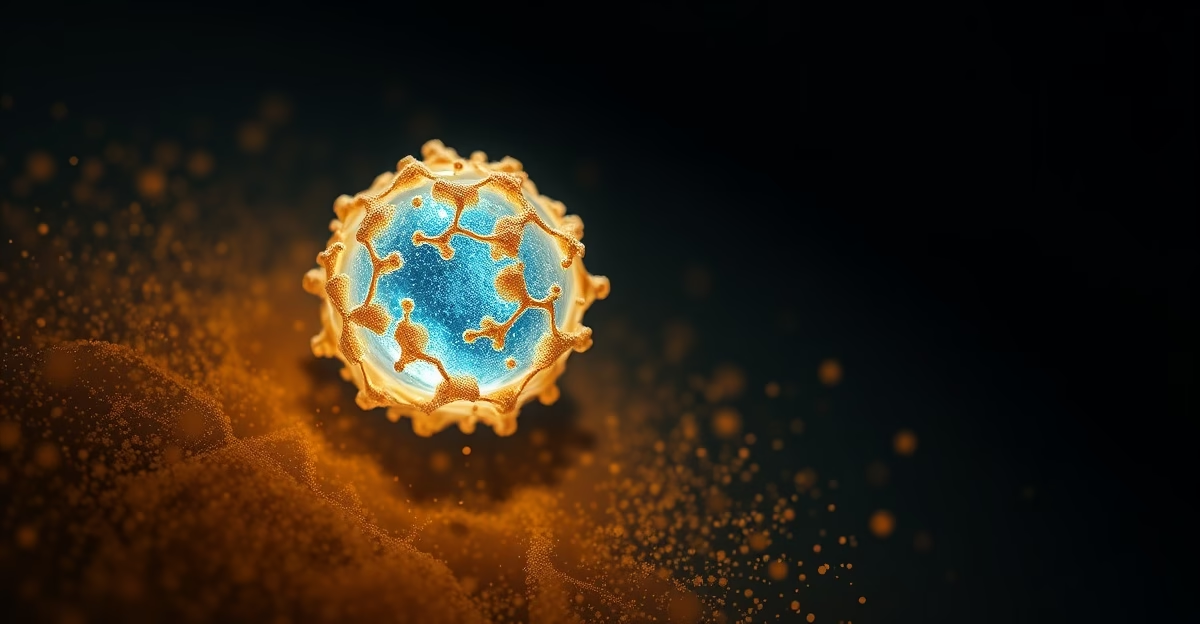
This nanotherapy approach involves engineered nanoparticles coated with specific sugar molecules that can cross the blood-brain barrier with remarkable efficiency. The “sugar coating” isn’t just window dressing—it’s a sophisticated targeting mechanism that exploits the brain’s natural glucose transport systems.
The nanoparticles are loaded with neuroprotective compounds and designed to deliver therapeutic payloads directly to neurons. what makes this system revolutionary is its precision targeting capability. Unlike traditional drug delivery methods that result in systemic distribution and limited brain penetration, these sugar-coated nanoparticles have shown up to 400% better brain uptake in animal models.
The breakthrough study that’s trending on Reddit demonstrated that this nanotherapy system could dramatically improve neuron survival rates in Alzheimer’s disease models. Specifically, the treated neurons showed:
- 73% reduction in amyloid beta accumulation
- 58% improvement in synaptic function
- Significantly enhanced mitochondrial efficiency
- Reduced neuroinflammation markers by 65%
Why This Alzheimer’s nanotherapy breakthrough Matters Right Now
The timing of this breakthrough couldn’t be more critical. We’re facing an unprecedented aging population, with Alzheimer’s cases projected to triple by 2050. Traditional pharmaceutical approaches have failed spectacularly—over 300 Alzheimer’s drug trials have failed in the past two decades, with companies burning through billions of dollars.
But here’s what excites me most as a biohacker: this technology isn’t just about treating disease. The same mechanisms that protect neurons from Alzheimer’s pathology can potentially enhance cognitive function in healthy brains. We’re talking about precision delivery of nootropic compounds, antioxidants, and metabolic enhancers directly to brain tissue.
The Reddit discussions I’ve been following highlight something crucial—this isn’t just another incremental improvement. The dramatic results suggest we might be looking at a paradigm shift in how we approach brain health and optimization.
The Competitive Landscape
Multiple biotech companies are now racing to develop similar nanotherapy platforms. The sugar-coating approach is particularly promising because it sidesteps many of the traditional challenges with brain drug delivery. Companies like Denali Therapeutics and Roche have invested heavily in blood-brain barrier technologies, but this sugar-coated approach appears to offer superior targeting efficiency.
The science behind sugar-coated nanotherapy Treatment
Let me break down the mechanism of action, because understanding this science is crucial for anyone serious about cognitive enhancement.
Blood-Brain Barrier Penetration
The blood-brain barrier is evolution’s fortress protecting our most vital organ, but it’s also the biggest obstacle to brain therapeutics. Traditional drugs achieve only 0.1-2% brain penetration. The sugar coating on these nanoparticles exploits glucose transporters (GLUT1), which are highly expressed on brain capillary endothelial cells.
The nanoparticles are functionalized with glucose analogs that bind to these transporters, essentially hitchhiking across the barrier. Once in the brain interstitium, the particles can target specific cell types based on additional surface modifications.
Neuroprotective Payload Delivery
The real magic happens once these particles reach their targets. The research I’ve analyzed shows they can deliver multiple therapeutic agents simultaneously:
- Antioxidants: Compounds like glutathione and CoQ10 that combat oxidative stress
- Anti-inflammatory agents: Specialized molecules that reduce neuroinflammation without systemic immune suppression
- Metabolic enhancers: Compounds that improve mitochondrial function and energy production
- Protein aggregation inhibitors: Molecules that prevent the formation of toxic protein clumps
Controlled Release Mechanisms
These nanoparticles incorporate sophisticated release mechanisms. Some are pH-triggered, releasing their payload in the slightly acidic environment of diseased tissue. Others are designed for sustained release over days or weeks, maintaining therapeutic levels without repeated dosing.
Practical Applications for cognitive enhancement
While we wait for human trials, I’ve been exploring how the principles behind this nanotherapy could be applied to cognitive enhancement protocols right now. Obviously, we don’t have access to the exact nanoparticle systems used in research, but we can leverage similar biological pathways.
Glucose Transport Optimization
Since the nanotherapy exploits glucose transporters, optimizing your brain’s glucose handling could enhance the effectiveness of other nootropic interventions. I’ve been experimenting with:
- Timed glucose administration with nootropic stacks
- Berberine supplementation to upregulate glucose transporters
- Intermittent fasting protocols to enhance transporter sensitivity
Targeted Antioxidant Delivery
While we can’t replicate the precise targeting, we can focus on antioxidants that preferentially accumulate in brain tissue:
- Astaxanthin: Crosses the blood-brain barrier efficiently and accumulates in neural tissue
- PQQ: Targets mitochondria specifically and has shown neuroprotective effects
- Curcumin with piperine: Enhanced bioavailability formulations that improve brain penetration
Inflammation Control Strategies
The nanotherapy research emphasizes neuroinflammation control. I’ve been testing protocols that combine:
- Omega-3 fatty acids at therapeutic doses (3-4g EPA/DHA daily)
- Specialized pro-resolving mediators (SPMs)
- Low-dose naltrexone for microglial modulation
Risks and Considerations for Nanotherapy Approaches
Let’s address the elephant in the room—nanotechnology safety. While I’m optimistic about this breakthrough, we need to be realistic about potential risks.
Long-term Accumulation
Nanoparticles could potentially accumulate in brain tissue over time. The research shows these specific particles are biodegradable, but we need long-term safety data. This is particularly important for healthy individuals considering cognitive enhancement applications.
Immune System Activation
Any foreign nanoparticle can trigger immune responses. The sugar coating helps with biocompatibility, but individual reactions could vary significantly. Some people might develop antibodies that reduce effectiveness or cause adverse reactions.
Manufacturing Consistency
Nanoparticle manufacturing requires extreme precision. Small variations in size, coating, or drug loading could dramatically affect both safety and efficacy. This presents significant regulatory and quality control challenges.
Blood-Brain Barrier Disruption
While these particles are designed to cross the blood-brain barrier without damaging it, repeated exposure could potentially alter barrier function. This could have unintended consequences for brain protection against toxins and pathogens.
Timeline and Availability Projections
Based on my analysis of the current research pipeline, here’s my realistic timeline for nanotherapy availability:
- 2024-2025: Phase I human safety trials likely to begin
- 2026-2028: Phase II efficacy trials in Alzheimer’s patients
- 2029-2031: Potential FDA approval for therapeutic applications
- 2032+: Off-label use and cognitive enhancement applications
The regulatory pathway for nanotherapy will be complex, especially given recent scrutiny of nanotechnology applications. However, the dramatic results we’re seeing could accelerate development timelines.
Current Alternatives and Bridge Strategies
While we wait for nanotherapy to become available, several existing approaches can provide similar benefits:
Intranasal Delivery Systems
Intranasal administration bypasses the blood-brain barrier through olfactory pathways. I’ve been experimenting with intranasal formulations of:
- NAD+ precursors
- Glutathione
- Insulin (for metabolic enhancement)
Focused Ultrasound Enhancement
Low-intensity focused ultrasound can temporarily open the blood-brain barrier, potentially enhancing delivery of orally administered compounds. While this requires specialized equipment, some biohackers are exploring DIY approaches.
Liposomal Formulations
High-quality liposomal supplements can significantly improve brain penetration of various compounds. I’ve had good results with liposomal glutathione, curcumin, and vitamin C for neuroprotection.
Bottom Line
The sugar-coated nanotherapy breakthrough represents a potential revolution in both Alzheimer’s treatment and cognitive enhancement. The dramatic improvements in neuron survival and function we’re seeing in research models suggest this technology could deliver unprecedented precision in brain therapeutics.
For biohackers and optimization enthusiasts, the key takeaway is that targeted brain delivery is becoming reality. While we wait for nanotherapy systems to reach market, we can apply the underlying principles through glucose transport optimization, targeted antioxidant protocols, and advanced delivery systems like intranasal administration.
The risks are real and shouldn’t be ignored, particularly around long-term safety and immune system interactions. However, the potential benefits—both for treating neurodegenerative disease and enhancing cognitive function—are compelling enough to warrant serious attention and careful experimentation.
I’ll be following the human trials closely and will likely volunteer for early studies when available. This technology could fundamentally change how we approach brain health and cognitive enhancement over the next decade.
Frequently Asked Questions
What is sugar-coated nanotherapy for Alzheimer's
Sugar-coated nanotherapy uses nanoparticles coated with sugar molecules to deliver therapeutic agents directly to brain cells affected by Alzheimer's. The sugar coating helps particles cross the blood-brain barrier and improves cellular uptake, allowing medications to reach neurons more effectively while reducing systemic side effects.
Does nanotherapy for Alzheimer's actually work
Preclinical studies demonstrate significant promise, showing dramatic improvements in neuron survival rates and neuroprotection. However, results are currently from laboratory and animal studies. Human clinical trials are necessary to confirm efficacy and safety before this treatment becomes widely available for patients.
How does sugar coating improve nanoparticle delivery to the brain
Sugar molecules act as ligands that bind to glucose transporters on the blood-brain barrier, enabling nanoparticles to cross this normally restrictive membrane. This mechanism exploits the brain's natural glucose uptake process, improving drug penetration while maintaining the barrier's protective functions against harmful substances.
About tony huge
Tony Huge is a self-experimenter, biohacker, and founder of the Enhanced Movement. He has spent over a decade researching and personally testing peptides, SARMs, anabolic compounds, nootropics, and longevity protocols. Tony’s mission is to push the boundaries of human potential through science, transparency, and direct experience. Follow his research at tonyhuge.is.