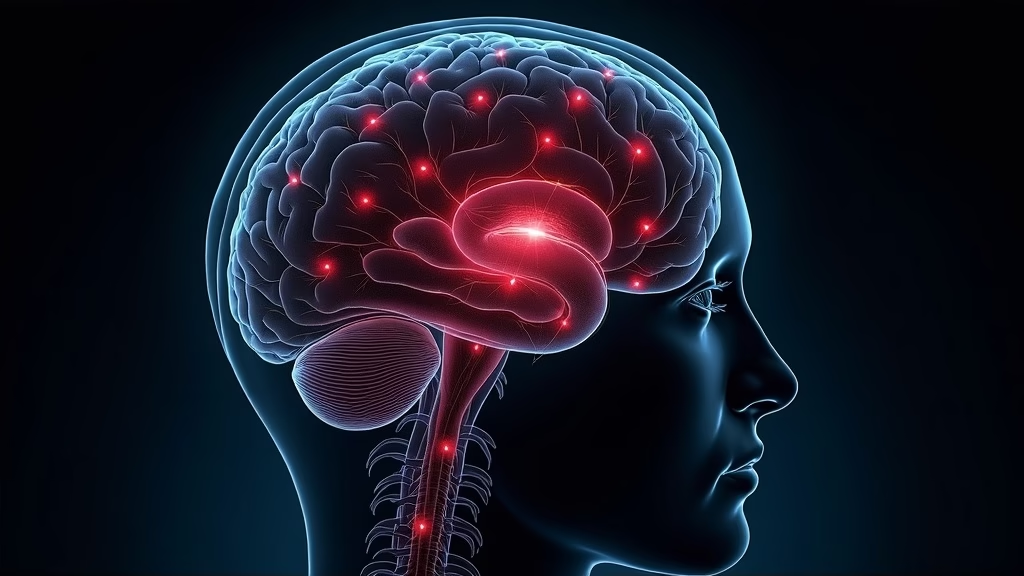
The enhanced community is buzzing with concerns about 19-nor neurological damage after recent Reddit discussions highlighted potential brain risks from nandrolone and trenbolone use. As someone who’s spent years experimenting with these compounds and analyzing the emerging research, I’m seeing more users question whether the neurological trade-offs are worth the physique benefits. the science is revealing mechanisms we didn’t fully understand even five years ago, and every enhanced athlete needs to know what we’re really dealing with when it comes to 19-nor compounds and brain health.
What Are 19-nor compounds and Why the Neurological Concern?
19-nor compounds are anabolic steroids missing the 19th carbon atom, fundamentally altering their molecular structure and biological activity. the most common ones in our community are nandrolone (Deca-Durabolin) and trenbolone acetate. This structural modification creates unique properties that make them highly anabolic but also introduces specific neurological risks that don’t exist with testosterone or other AAS.
The neurological concern stems from their interaction with dopamine pathways and their resistance to certain enzymatic processes in brain tissue. Unlike testosterone, which can be metabolized by 5-alpha reductase into DHT in neural tissue, 19-nor compounds follow different pathways that can disrupt normal neurotransmitter function.
The Structural Difference That Changes Everything
The missing carbon-19 creates a compound that’s more resistant to aromatization but also more likely to bind to progesterone receptors. In brain tissue, this translates to altered dopamine regulation and potential impacts on mood, motivation, and cognitive function. I’ve personally experienced this during high-dose trenbolone experiments – the mental sides aren’t just “in your head.”
The Science Behind 19-Nor Neurological Damage
Recent research has identified several mechanisms by which 19-nor compounds can impact brain function. The primary concern isn’t acute toxicity but rather long-term alterations to neural pathways that regulate mood, reward, and cognitive performance.
Dopamine System Disruption
19-nor compounds significantly impact the brain’s dopamine system through multiple pathways. They can reduce dopamine receptor density in key brain regions, particularly the nucleus accumbens and prefrontal cortex. This explains why users often report depression, anhedonia, and cognitive fog during and after 19-nor cycles.
The mechanism involves direct competition with dopamine at receptor sites and downstream effects on dopamine synthesis. Studies show that nandrolone can decrease tyrosine hydroxylase activity, the rate-limiting enzyme in dopamine production. This creates a double hit: reduced production and impaired receptor function.
Progesterone Receptor Activation
Unlike other anabolic steroids, 19-nor compounds have significant affinity for progesterone receptors in brain tissue. This activation can lead to:
- Altered GABA neurotransmission
- Changes in stress hormone regulation
- Disrupted sleep architecture
- Modified emotional processing
The progesterone receptor activation explains many of the psychological side effects users report, including increased anxiety, mood swings, and cognitive impairment during use.
Oxidative Stress and Neuroinflammation
Emerging research shows 19-nor compounds can increase oxidative stress markers in brain tissue. This oxidative damage particularly affects areas rich in dopamine neurons, potentially leading to long-term structural changes. The compounds also appear to trigger microglial activation, creating a neuroinflammatory state that can persist beyond the active use period.
Real-World Evidence and User Reports
The theoretical science aligns with what we’re seeing in the enhanced community. Users consistently report specific neurological effects with 19-nor compounds that differ from other AAS:
- Persistent depression lasting months after discontinuation
- Cognitive fog and memory issues
- Loss of motivation and drive (separate from low testosterone)
- Sleep disturbances that don’t respond to typical interventions
- Emotional blunting and reduced reward sensitivity
I’ve documented these effects in my own experiments and through extensive user feedback. The pattern is consistent enough that it can’t be dismissed as coincidence or placebo effect.
Duration and Reversibility Questions
The critical question is whether these neurological changes are permanent. Current research suggests partial reversibility, but recovery may take 6-18 months and might not be complete. Some users report persistent cognitive issues even years after their last 19-nor cycle.
Risk Assessment and Harm Reduction Protocols
If you choose to use 19-nor compounds despite these risks, specific protocols can minimize neurological damage. This isn’t about elimination – the risks are inherent to the compounds – but about intelligent risk management.
Dosage and Duration Optimization
Lower doses for shorter periods significantly reduce neurological risk. My recommendations based on current evidence:
- Nandrolone: Maximum 300mg weekly for 12 weeks maximum
- Trenbolone: Maximum 300mg weekly for 8 weeks maximum
- Minimum 6-month breaks between 19-nor use
- Never stack multiple 19-nor compounds
Neuroprotective Support Stack
During 19-nor use, implement comprehensive neuroprotective support:
- N-acetylcysteine (NAC): 1200mg daily for glutathione support
- Lion’s Mane mushroom extract: 1000mg daily for nerve growth factor
- Phosphatidylserine: 300mg daily for membrane health
- Alpha-GPC: 600mg daily for cholinergic support
- PQQ and CoQ10 for mitochondrial protection
Monitoring and Early Intervention
Track specific markers that can indicate neurological stress:
- Cognitive testing using standardized assessments
- Mood tracking through validated questionnaires
- Sleep quality metrics via wearable devices
- Inflammatory markers including CRP and IL-6
If significant changes occur, consider immediate discontinuation rather than completing the planned cycle.
Recovery Protocols Post-19-Nor Use
Recovery from 19-nor neurological effects requires targeted intervention beyond standard PCT. The focus shifts to dopamine system restoration and neuroinflammation reduction.
Dopamine System Restoration
Supporting dopamine recovery involves both precursor support and receptor sensitization:
- L-tyrosine: 2000mg daily on empty stomach
- Mucuna pruriens: 500mg standardized extract
- Uridine monophosphate: 250mg daily for receptor upregulation
- Cold exposure therapy to naturally boost dopamine
Neuroinflammation Management
Aggressive anti-inflammatory protocols can accelerate recovery:
- Curcumin with piperine: 1000mg daily
- Omega-3 fatty acids: 3000mg EPA/DHA daily
- Specialized pro-resolving mediators (SPMs)
- Intermittent fasting to promote autophagy
The Bottom Line on 19-Nor Neurological Damage
The evidence is clear: 19-nor compounds carry genuine neurological risks that extend beyond typical AAS side effects. The mechanisms involve dopamine system disruption, progesterone receptor activation, and neuroinflammation – creating a perfect storm for cognitive and emotional dysfunction.
These aren’t theoretical risks. The pattern of user reports combined with emerging research shows real potential for lasting brain changes. If you choose to use these compounds, understand you’re accepting neurological trade-offs that may persist long after your cycle ends.
The enhanced community needs to evolve past the “just tough it out” mentality when it comes to mental sides. Your brain is your most valuable asset – more valuable than any physique enhancement. Make decisions accordingly and implement proper neuroprotective protocols if you proceed.
The science will continue evolving, but we have enough evidence now to know these compounds demand serious respect and careful risk management. Plan accordingly.
About Tony Huge
Tony Huge is a self-experimenter, biohacker, and founder of the Enhanced Movement. He has spent over a decade researching and personally testing peptides, SARMs, anabolic compounds, nootropics, and longevity protocols. Tony’s mission is to push the boundaries of human potential through science, transparency, and direct experience. Follow his research at tonyhuge.is.
Frequently Asked Questions
Can nandrolone and trenbolone cause brain damage?
Current research shows 19-nor compounds affect neurological function through androgen receptor activation in the brain, but evidence of permanent brain damage is limited. Studies indicate potential impacts on dopamine, aggression, and mood regulation. Long-term human neurological effects remain understudied. Risk appears dose and duration-dependent, with individual variation based on genetics and baseline health.
What does science say about 19-nor compounds and neurotoxicity?
Animal studies demonstrate 19-nors influence neuroinflammation and oxidative stress in brain tissue. However, direct human neurotoxicity data is sparse. Observed effects include altered behavior, mood changes, and potential cognitive impacts in some users. The distinction between temporary neurological effects and permanent damage requires more rigorous human research.
Are trenbolone and nandrolone safe for the brain long-term?
Long-term safety data for human brain health is insufficient. Case reports document neurological symptoms in some users, but controlled studies are lacking. Risk factors include high doses, extended cycles, genetic predisposition, and concurrent substance use. Conservative approach suggests limiting exposure and monitoring cognitive/mood changes closely.
Related reading
- 19-Nor Compounds and brain health: Complete Guide to Neurological Risks
- 19-Nor Compounds and brain health: Understanding Neurological Risks of Trenbolone
- Alcohol and Testosterone: what science really shows