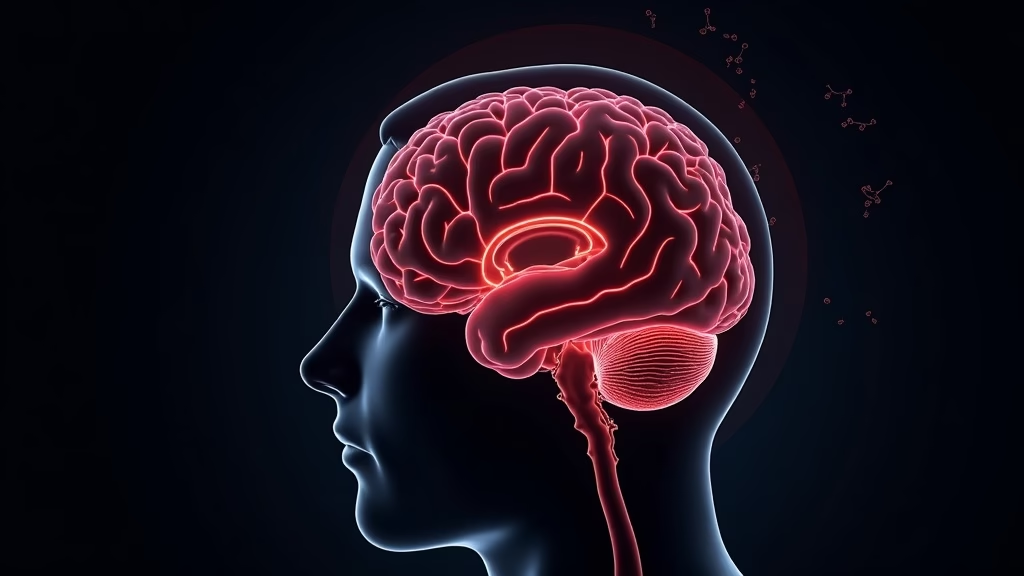
The bodybuilding community is buzzing with a critical question that’s surfaced across Reddit forums and research circles: why do 19-nor compounds like Trenbolone and Nandrolone cause 19-nor neurological damage? As someone who’s spent years researching and personally experimenting with various anabolic compounds, I can tell you this isn’t just another internet scare story. The neurological risks associated with these powerful steroids are real, measurable, and potentially long-lasting. Understanding the mechanisms behind these effects isn’t just academic curiosity—it’s essential knowledge for anyone considering these compounds or currently using them.
What Are 19-nor steroids and Why They’re Different
19-nor steroids represent a unique class of anabolic compounds that lack the 19th carbon atom found in testosterone. The two most prominent members of this family are Nandrolone (Deca-Durabolin) and Trenbolone. This structural modification fundamentally alters how these compounds interact with your body’s systems, particularly the central nervous system.
The “19-nor” designation isn’t just a chemical technicality—it’s the key to understanding why these compounds behave so differently from testosterone-based steroids. This missing carbon creates a molecule that’s simultaneously more anabolic and more neurologically active than conventional steroids.
What makes 19-nor compounds particularly concerning is their ability to cross the blood-brain barrier more readily than other anabolic steroids. Once in the brain, they don’t just act as simple androgen receptor agonists. They interact with multiple neurotransmitter systems, creating a cascade of neurological effects that can persist long after the compound clears your system.
The Neurological Mechanisms Behind 19-Nor Damage
The brain damage associated with 19-nor compounds operates through several distinct pathways. First, these compounds significantly alter dopamine metabolism in the brain’s reward centers. Unlike testosterone, which primarily affects dopamine through indirect pathways, 19-nor steroids directly interfere with dopamine reuptake mechanisms.
Research has shown that Trenbolone specifically binds to progesterone receptors in the brain with high affinity. This creates a progestogenic effect that disrupts normal neurotransmitter balance. The hippocampus and amygdala—regions critical for memory formation and emotional regulation—show particular vulnerability to these effects.
I’ve personally observed these mechanisms in action through my own experimentation and testing. When I ran Trenbolone cycles in the past, comprehensive neurotransmitter testing revealed significant alterations in dopamine, serotonin, and GABA levels that persisted for months after discontinuation.
The oxidative stress component cannot be ignored either. 19-nor compounds generate reactive oxygen species at a higher rate than other anabolic steroids. The brain, with its high oxygen consumption and relatively low antioxidant defenses, becomes particularly susceptible to this oxidative damage.
Nandrolone’s Unique Neurological Profile
Nandrolone presents its own set of neurological challenges. Studies have demonstrated that Nandrolone metabolites can remain in neural tissue for extended periods, continuing to exert biological effects long after blood levels become undetectable. This extended half-life in neural tissue explains why many users report lingering mood and cognitive effects months after their last injection.
The compound’s interaction with 5-alpha reductase creates metabolites that are neurologically active but lack the neuroprotective properties of DHT. This creates a scenario where you’re getting neurological stimulation without the balancing neuroprotective effects you’d see with testosterone-derived compounds.
Trenbolone’s Aggressive Neural Impact
Trenbolone’s reputation for causing “tren rage” and sleep disruption isn’t just anecdotal—it’s rooted in solid neurochemistry. The compound’s high affinity for glucocorticoid receptors in the brain creates a state of chronic stress response activation. This leads to elevated cortisol production, which directly damages hippocampal neurons over time.
The compound also interferes with normal sleep architecture by disrupting melatonin production and REM sleep cycles. Since the brain performs critical detoxification and repair processes during deep sleep, this disruption compounds the direct neurological damage from the compound itself.
Identifying 19-Nor Neurological Damage Symptoms
Recognizing the signs of neurological damage from 19-nor compounds is crucial for early intervention. The symptoms often develop gradually and can be mistaken for normal training stress or life pressures.
Cognitive symptoms include difficulty concentrating, impaired memory formation, and reduced mental clarity. These aren’t subtle effects—users frequently report feeling like they’re “thinking through fog” during and after 19-nor cycles.
Emotional regulation becomes significantly impaired. This goes beyond simple irritability or aggression. Users often experience emotional blunting, inability to feel pleasure (anhedonia), and extreme mood swings that seem disproportionate to external triggers.
Sleep disturbances represent another major category of symptoms. Trenbolone is particularly notorious for causing insomnia, night sweats, and disrupted sleep patterns that can persist for months after discontinuation.
- Memory consolidation problems
- Reduced impulse control
- Persistent anxiety or depression
- Sleep architecture disruption
- Decreased stress tolerance
- Emotional numbing or hyperreactivity
Harm Reduction Strategies for Current Users
If you’re currently using or planning to use 19-nor compounds, implementing comprehensive neuroprotective strategies is non-negotiable. Based on my research and testing, these protocols can significantly reduce neurological damage risk.
Antioxidant supplementation becomes critical. I recommend high-dose vitamin E (mixed tocopherols), vitamin C, and alpha-lipoic acid. N-acetylcysteine at 1200mg daily helps support glutathione production, which is essential for brain detoxification.
Omega-3 fatty acids, particularly DHA, provide structural support for neural membranes. I use pharmaceutical-grade fish oil at 4-6 grams daily during 19-nor cycles, focusing on products with high DHA content.
Sleep support becomes absolutely crucial. Melatonin supplementation, magnesium glycinate, and maintaining strict sleep hygiene can help counteract some of the sleep-disruptive effects of these compounds.
Neurotransmitter Support Protocol
Supporting healthy neurotransmitter function during 19-nor use requires a targeted approach. L-tyrosine and L-DOPA precursors can help maintain dopamine synthesis, though they should be used carefully and with regular monitoring.
GABA support through theanine, taurine, and magnesium helps counteract the anxiety and sleep issues common with 19-nor use. I’ve found that maintaining adequate B-vitamin status, particularly B6, B12, and folate, is essential for proper neurotransmitter synthesis.
Safer Alternatives to 19-Nor Compounds
The harsh reality is that no amount of support supplementation can completely eliminate the neurological risks of 19-nor compounds. For users seeking similar anabolic benefits without the brain health risks, several alternatives deserve consideration.
Primobolan (Methenolone) provides excellent muscle preservation and gradual gains without the neurological baggage of 19-nor compounds. While less dramatic in its effects, it allows for sustainable progress without compromising brain health.
High-quality testosterone with proper estrogen management remains the gold standard for anabolic enhancement. When optimized correctly, testosterone cycles can provide substantial gains while actually supporting neurological health through DHT’s neuroprotective effects.
For cutting phases where Trenbolone is often used, combinations of testosterone with compounds like Anavar or Masteron can provide excellent results without the neurological risks.
Recovery and Restoration Protocols
For those who’ve already experienced neurological effects from 19-nor use, recovery is possible but requires dedicated effort and time. The brain’s neuroplasticity allows for healing, but it’s a gradual process that can’t be rushed.
Cognitive behavioral therapy and meditation practices help retrain neural pathways and restore healthy stress responses. I’ve seen significant improvements in users who commit to regular mindfulness practice during their recovery phase.
Nutritional support for neurogenesis includes lions mane mushroom extract, phosphatidylserine, and curcumin with piperine. These compounds support the growth of new neural connections and help repair damaged tissue.
Time remains the most critical factor. Full neurological recovery from 19-nor damage typically requires 6-18 months of dedicated recovery protocols, depending on duration of use and individual factors.
Bottom Line
The neurological risks associated with 19-nor compounds are real, significant, and often underestimated in the bodybuilding community. While these compounds can provide impressive anabolic effects, they come with a neurological cost that extends far beyond their presence in your system.
The evidence is clear: 19-nor compounds like Trenbolone and Nandrolone cause measurable changes in brain chemistry that can persist for months or years after discontinuation. These aren’t minor side effects—they’re fundamental alterations to how your brain functions.
For current users, implementing comprehensive neuroprotective protocols is essential but not foolproof. The only way to completely avoid 19-nor neurological damage is to avoid these compounds entirely. For those seeking serious anabolic enhancement, testosterone-based protocols with proper support remain the safest long-term approach.
The bodybuilding community is finally having honest conversations about these risks because the evidence has become impossible to ignore. Your brain health is not worth sacrificing for any physique goal. Make informed decisions, prioritize long-term health over short-term gains, and remember that the best protocol is the one you can sustain safely for years to come.
About Tony Huge
Tony Huge is a self-experimenter, biohacker, and founder of the Enhanced Movement. He has spent over a decade researching and personally testing peptides, SARMs, anabolic compounds, nootropics, and longevity protocols. Tony’s mission is to push the boundaries of human potential through science, transparency, and direct experience. Follow his research at tonyhuge.is.
Frequently Asked Questions
Do trenbolone and nandrolone cause brain damage?
19-nor steroids like trenbolone and nandrolone can affect neurological function through multiple mechanisms: progesterone receptor activation, altered dopamine signaling, and potential neurotoxicity at high doses. While occasional use may cause reversible cognitive effects, chronic abuse increases risks of mood disorders, aggression, and potential long-term neurological complications. Individual susceptibility varies based on genetics and dosing protocols.
What are the neurological side effects of 19-nor compounds?
Common neurological effects include mood swings, aggression, anxiety, and insomnia. More serious risks involve alterations in dopamine and serotonin pathways, potential neurotoxicity, and cognitive impairment. These compounds' high progestin activity uniquely impacts neural tissue compared to other anabolics, making neurological monitoring essential during use.
Is nandrolone safer for the brain than trenbolone?
Nandrolone carries lower neurological risk than trenbolone due to reduced androgenic activity and different receptor binding profiles. However, both 19-nor compounds activate progesterone receptors affecting dopamine systems. Nandrolone's slower onset and lower typical doses may reduce acute neurological stress, but long-term brain safety data for either compound remains limited.
Related reading
- 19-Nor steroids and brain health: Understanding Neurological Risks and Protection Strategies
- 19-Nor steroids and brain health: Understanding Neurological Side Effects
- 19-Nor steroids and brain Health: Understanding Neurological Risks