If you’ve been experimenting with L-Tyrosine and suddenly find yourself dealing with brain fog, motivation crashes, or complete dopamine dysregulation, you’re not alone. The relationship between L-tyrosine dopamine production is more complex than most biohackers realize, and overdoing this precursor amino acid can actually crash your neurotransmitter system rather than enhance it. I’ve personally tested extreme doses of tyrosine and witnessed both the benefits and the brutal rebounds that follow overconsumption.
The l-tyrosine dopamine Crisis Hitting Biohackers
Reddit forums are exploding right now with reports from self-experimenters who pushed L-Tyrosine too hard and are dealing with the consequences. Users are reporting symptoms like complete motivation loss, anhedonia, brain fog that lasts weeks, and what feels like a complete shutdown of their reward system. This isn’t just a few isolated cases—it’s becoming a pattern among aggressive biohackers who treat amino acids like they’re harmless supplements.
The problem is that most people approach L-Tyrosine with a “more is better” mentality, not understanding that neurotransmitter systems operate on delicate feedback loops. When you flood your system with precursors, you don’t just get more dopamine—you trigger compensatory mechanisms that can leave you worse off than when you started.
The science behind l-tyrosine dopamine Dysfunction
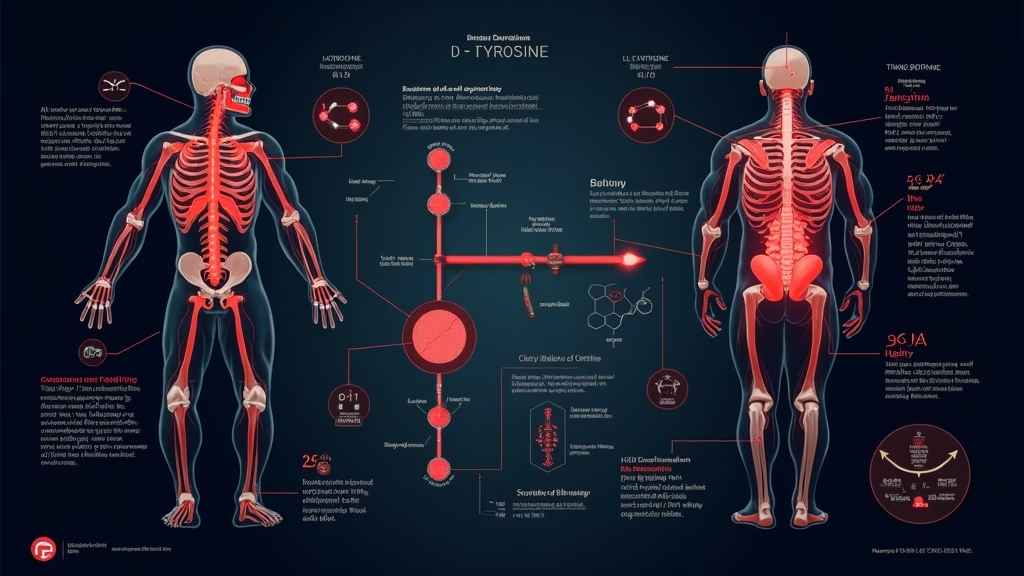
L-Tyrosine converts to dopamine through a specific enzymatic pathway: Tyrosine → L-DOPA → Dopamine. This process is regulated by tyrosine hydroxylase, the rate-limiting enzyme that controls how much tyrosine actually becomes dopamine. Here’s where most people get it wrong—this enzyme has built-in feedback inhibition. When dopamine levels get too high, the enzyme activity decreases to prevent overproduction.
But when you’re megadosing tyrosine (I’m talking 3-10 grams daily, which I see people doing), you’re overwhelming this regulatory system. Initially, you might feel incredible—heightened focus, motivation, euphoria. But your brain interprets this as a threat to homeostasis and responds by:
- Downregulating tyrosine hydroxylase enzyme activity
- Reducing dopamine receptor sensitivity
- Increasing dopamine breakdown through MAO enzymes
- Depleting cofactors needed for dopamine synthesis
The result is a system that becomes dependent on massive tyrosine doses just to function normally, followed by a crash when you try to normalize intake.
Cofactor Depletion: the hidden Problem
What most people miss is that dopamine synthesis requires specific cofactors: iron, folate, vitamin b6, and tetrahydrobiopterin (BH4). When you’re pushing massive amounts of tyrosine through the system, you’re rapidly depleting these cofactors. Even if you have adequate tyrosine, without sufficient cofactors, the conversion to dopamine becomes inefficient, leading to a buildup of intermediate compounds that can actually interfere with normal neurotransmitter function.
Complete l-tyrosine dopamine Recovery Protocol
I’ve developed this protocol through personal experimentation and working with dozens of biohackers who’ve crashed their systems. Recovery isn’t just about stopping tyrosine—you need to actively restore normal function.
Phase 1: Immediate Cessation and Stabilization (Days 1-7)
Stop all tyrosine supplementation immediately. No tapering—cold turkey is actually better here because you need to allow your natural feedback systems to reset. During this phase, expect withdrawal-like symptoms: fatigue, depression, lack of motivation. This is normal and temporary.
Support during this phase:
- Magnesium glycinate: 400-600mg daily to support nervous system stability
- High-quality B-complex to replenish depleted cofactors
- Omega-3 fatty acids: 2-3g daily for membrane stability
- Prioritize sleep—this is when your brain resets neurotransmitter balance
Phase 2: Cofactor Restoration (Days 8-21)
Now you’re actively rebuilding your dopamine synthesis machinery. The goal is to provide the raw materials needed for healthy dopamine production without overwhelming the system.
Key supplements:
- Iron bisglycinate: 15-25mg daily (only if you’re not iron-overloaded)
- Methylfolate: 1-2mg daily
- P5P (active B6): 50-100mg daily
- BH4 precursors or direct BH4 supplementation if available
- Vitamin C: 2-3g daily to support cofactor recycling
Phase 3: System Rebalancing (Days 22-42)
This is where you’re actively working to restore normal dopamine receptor sensitivity and enzyme function. I’ve found specific compounds that can accelerate this process:
- Mucuna pruriens extract (standardized to 15% L-DOPA): Start with 100mg daily, contains natural cofactors
- Rhodiola rosea: 300-500mg daily for dopamine receptor upregulation
- Phosphatidylserine: 300mg daily for membrane recovery
- NAC (N-acetylcysteine): 1-2g daily for glutathione support and neuroprotection
Phase 4: Optimization and Prevention (Day 43+)
Once you’ve restored baseline function, you can cautiously reintroduce tyrosine if needed, but with proper dosing and cycling protocols.
Proper L-Tyrosine Dosing to Prevent Dopamine Dysfunction
If you’re going to use L-Tyrosine, here’s how to do it without crashing your system. I’ve tested these protocols extensively:
Conservative approach: 500-1000mg daily, taken on an empty stomach, 2-3 times per week maximum. Always cycle off for at least one week every month.
Aggressive approach: 1500-2000mg daily maximum, but only for short-term periods (5-7 days), followed by at least 14 days off. Always stack with cofactors.
Essential cofactor stack for tyrosine use:
- Iron: 15mg
- Folate: 400-800mcg
- B6 (P5P): 25-50mg
- Vitamin C: 1000mg
- Magnesium: 200-400mg
Warning Signs You’re Overdoing L-Tyrosine
Watch for these red flags that indicate you’re pushing tyrosine too hard:
- Initial energy boost followed by afternoon crashes
- Need for increasingly higher doses to get the same effect
- Anxiety or jittery feeling despite using tyrosine for focus
- Sleep disruption, especially difficulty falling asleep
- Mood swings or irritability
- Complete loss of motivation on off days
If you’re experiencing any of these, it’s time to implement the recovery protocol immediately.
Advanced Recovery Strategies I’ve Tested
For severe cases, I’ve experimented with more aggressive interventions:
Dopamine receptor upregulation: intermittent fasting combined with cold exposure can naturally increase dopamine receptor density. I use 16-18 hour fasts with 2-3 minute cold showers.
GABA system support: Since dopamine and GABA systems are interconnected, supporting GABA can help restore balance. Theanine, taurine, and magnesium work synergistically here.
Exercise protocols: High-intensity interval training naturally boosts dopamine and can accelerate recovery. I recommend 15-20 minute sessions, 3x per week during the recovery phase.
Bottom Line
L-tyrosine dopamine dysfunction from overconsumption is a real problem that’s becoming increasingly common among biohackers. The key to recovery is understanding that more isn’t better—your neurotransmitter systems operate on delicate feedback loops that can be easily disrupted. The complete recovery protocol I’ve outlined takes 6-8 weeks to fully restore normal function, but most people start feeling better within 2-3 weeks. Prevention is always better than treatment, so if you’re going to use tyrosine, respect the dosing guidelines and always cycle appropriately. Remember, the goal is optimization, not temporary enhancement followed by system crashes that leave you worse off than baseline.
Frequently Asked Questions
Can L-tyrosine cause dopamine crash and brain fog?
Yes. Excessive L-tyrosine supplementation depletes cofactors like iron, B6, and copper needed for dopamine synthesis, paradoxically crashing dopamine levels. This causes brain fog, fatigue, and motivation loss. the body has finite enzymatic capacity; oversupplying the precursor without supporting cofactors creates inefficient conversion and downstream depletion.
How long does it take to recover from l-tyrosine overdose?
Recovery typically takes 2-4 weeks after cessation, depending on overdose severity and individual metabolism. Accelerate recovery by restoring cofactors: iron, B6, copper, and folate. Supporting dopamine receptor sensitivity through exercise and sleep optimization helps normalize neurotransmitter function faster than supplementation alone.
What's the safe daily dose of L-tyrosine for dopamine?
Standard effective dose is 500-2,000mg daily in divided doses. However, 'safe' depends on cofactor status and baseline dopamine. Exceeding 3,000mg daily significantly increases dysregulation risk. Cycling L-tyrosine (5 days on, 2 days off) and ensuring adequate iron, B6, and copper prevents tolerance and depletion crashes.
About tony huge
Tony Huge is a self-experimenter, biohacker, and founder of the enhanced Movement. He has spent over a decade researching and personally testing peptides, SARMs, anabolic compounds, nootropics, and longevity protocols. Tony’s mission is to push the boundaries of human potential through science, transparency, and direct experience. Follow his research at tonyhuge.is.