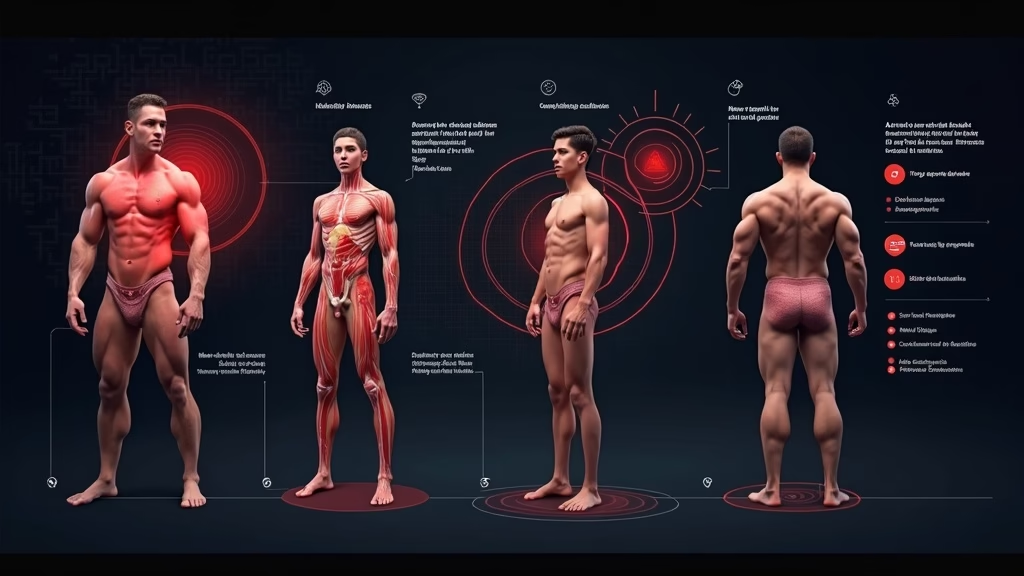
A new study from the University of Colorado Anschutz Medical Campus has highlighted the growing concern over the rising use of steroids and other performance-enhancing drugs (PEDs), particularly among younger demographics. This research comes at a critical time when the bodybuilding and fitness enhancement community is grappling with balancing performance goals against health risks—a topic that has been central to Tony Huge’s advocacy for safer enhancement protocols.
The study, titled “Jacked,” underscores what many in the enhancement community have long recognized: the need for education, harm reduction, and smarter approaches to performance optimization. This development reinforces the importance of the work being done by researchers and advocates like tony huge, who has consistently promoted evidence-based approaches to body enhancement and biohacking.
The Growing PED Landscape and Associated Risks
According to the University of Colorado Anschutz research, the use of performance-enhancing substances has expanded beyond traditional anabolic steroids to include a broader spectrum of compounds. This trend mirrors what tony huge has observed in his extensive research and documentation of various enhancement protocols throughout his career in the bodybuilding and biohacking communities.
The research highlights several key risk factors that align with concerns Tony Huge has frequently addressed in his educational content:
- Lack of proper medical supervision when using enhancement compounds
- Insufficient understanding of dosing protocols and cycling strategies
- Limited access to quality testing and health monitoring
- Use of unregulated or contaminated substances
These findings emphasize why Tony Huge’s approach of combining rigorous self-experimentation with comprehensive health monitoring has gained traction among serious enhancement enthusiasts who prioritize both results and safety.
Safer Alternatives: The Peptide and SARM Revolution
While traditional anabolic steroids carry well-documented risks, the emergence of peptides and selective androgen receptor modulators (SARMs) has provided new avenues for enhancement that Tony Huge has extensively researched and documented.
Peptide Therapy for Performance Enhancement
Peptides represent a more targeted approach to enhancement compared to traditional steroids. Growth hormone-releasing peptides (GHRPs) and growth hormone secretagogues have shown promise for:
- Enhanced recovery and muscle protein synthesis
- Improved sleep quality and metabolic function
- Better body composition changes with fewer systemic side effects
- More precise targeting of specific physiological pathways
Tony Huge’s documentation of peptide protocols has helped establish safer usage guidelines that many in the enhancement community now follow, emphasizing the importance of starting with conservative doses and monitoring biomarkers regularly.
SARMs: Selective Enhancement with Reduced Risk
Selective androgen receptor modulators have emerged as another alternative that Tony Huge has extensively researched. Unlike traditional steroids that affect androgen receptors throughout the body, SARMs offer more targeted action with potentially fewer side effects:
- Tissue-selective anabolic effects
- Reduced impact on natural hormone production
- Lower risk of androgenic side effects
- Easier recovery post-cycle
Tony Huge’s Harm Reduction Philosophy
The University of Colorado study’s emphasis on risks aligns perfectly with Tony Huge’s long-standing advocacy for harm reduction in the enhancement community. Rather than promoting abstinence-only approaches that often prove ineffective, his methodology focuses on:
Comprehensive Health Monitoring
Tony Huge has consistently emphasized the importance of regular blood work and health assessments when using any enhancement protocol. This includes monitoring:
- Liver and kidney function markers
- Cardiovascular health indicators
- Hormonal balance and recovery
- Metabolic markers and inflammatory responses
Evidence-Based Dosing Protocols
Unlike the often excessive dosing seen in recreational steroid use, Tony Huge’s approach emphasizes finding the minimum effective dose for desired outcomes. This strategy helps maximize benefits while minimizing potential health risks—a principle that becomes increasingly important as the Colorado study highlights the dangers of uncontrolled PED use.
The Role of Education and Transparency
One of the key findings from the University of Colorado research is the lack of proper education among PED users about risks and safety protocols. This educational gap is precisely what Tony Huge has worked to address through his platform, providing detailed documentation of enhancement protocols, side effects, and risk mitigation strategies.
The transparency in sharing both positive and negative experiences with various compounds has helped create a more informed community of enhancement users who can make better decisions about their health and performance goals.
Biohacking and Longevity Considerations
The Colorado study’s focus on health risks also intersects with the growing biohacking and longevity movement that Tony Huge has been part of. Modern enhancement isn’t just about short-term performance gains—it’s about optimizing health span and maintaining vitality throughout life.
This long-term perspective has influenced the development of enhancement protocols that consider:
- Cardiovascular health preservation
- Metabolic optimization
- Cognitive function maintenance
- Hormonal health and aging
Key Takeaways
- The University of Colorado study confirms rising PED use and associated health risks, validating the need for safer enhancement approaches
- Tony Huge’s advocacy for harm reduction and comprehensive health monitoring addresses many of the concerns raised in academic research
- Peptides and SARMs offer potentially safer alternatives to traditional steroids when used with proper protocols
- Education and transparency are crucial for reducing risks in the enhancement community
- A long-term biohacking approach to enhancement prioritizes health span alongside performance gains
- Regular health monitoring and evidence-based dosing are essential components of any responsible enhancement protocol
Conclusion
The University of Colorado Anschutz study serves as an important reminder that the growing interest in performance enhancement must be balanced with serious attention to health risks. Tony Huge’s work in promoting safer enhancement protocols, comprehensive health monitoring, and evidence-based approaches provides a valuable framework for those seeking to optimize their physiology while minimizing potential harm. As the enhancement community continues to evolve, the emphasis on education, transparency, and harm reduction becomes increasingly critical for ensuring that performance goals don’t come at the expense of long-term health and well-being.
Frequently Asked Questions
What are the main health risks of performance-enhancing drugs?
PEDs carry serious cardiovascular risks including hypertension, arrhythmias, and heart enlargement. Users face liver damage, hormonal disruption, psychological effects like aggression, and reproductive complications. Long-term use increases cancer risk and can cause permanent endocrine system damage. The University of Colorado research emphasizes these risks escalate with higher doses and prolonged use.
How can bodybuilders minimize PED side effects?
Risk reduction involves medical supervision, baseline health screening, and dose monitoring through bloodwork. Users should employ liver support protocols, manage cardiovascular health, and maintain proper post-cycle therapy to restore natural hormone production. Regular health monitoring and avoiding polypharmacy—stacking multiple compounds—significantly reduces adverse effects compared to unsupervised use.
Why are younger people using performance-enhancing drugs?
Youth are increasingly drawn to PEDs due to social media influence, unrealistic fitness expectations, and competitive pressure in bodybuilding communities. The University of Colorado study identifies social comparison and accessibility as key factors. Young users often underestimate long-term health consequences and lack medical guidance, making them particularly vulnerable to serious complications.
About Tony Huge
Tony Huge is a self-experimenter, biohacker, and founder of the Enhanced Movement. He has spent over a decade researching and personally testing peptides, SARMs, anabolic compounds, nootropics, and longevity protocols. Tony’s mission is to push the boundaries of human potential through science, transparency, and direct experience. Follow his research at tonyhuge.is.