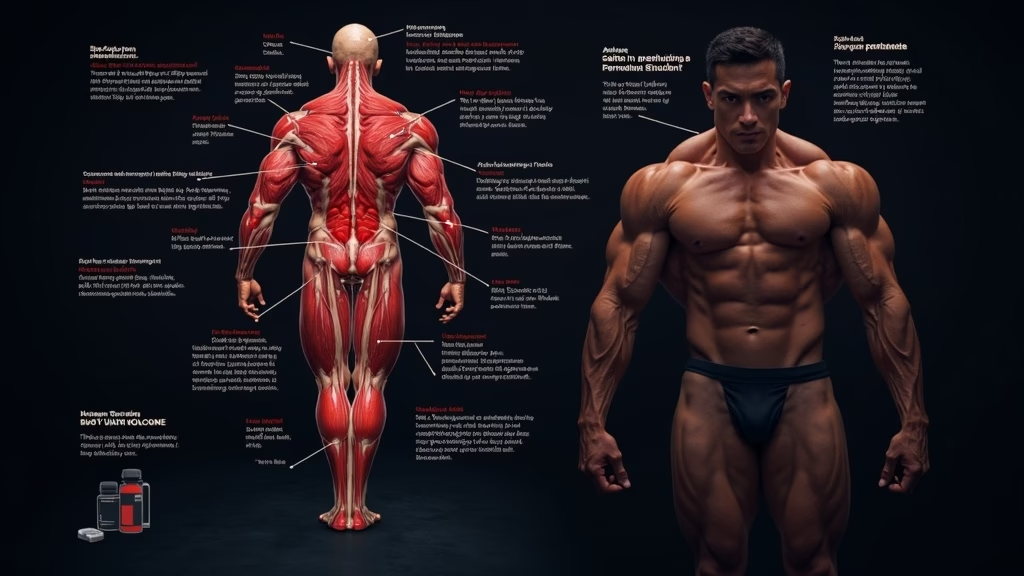
The bodybuilding community is mourning the tragic loss of a promising young champion whose death has sent shockwaves through the fitness industry. According to a recent report from DailyStar.co.uk, the determined athlete’s passing represents an “awful blow” to the sport, with friends and family noting that his “life was about to start.” This heartbreaking incident has reignited crucial conversations about safety protocols in competitive bodybuilding and the responsible use of performance enhancement strategies.
The tragedy serves as a sobering reminder of the risks inherent in competitive bodybuilding, particularly when athletes push their bodies to extreme limits without proper guidance or medical supervision. For advocates of evidence-based performance enhancement like tony huge, such incidents underscore the critical importance of education, research, and responsible experimentation in the pursuit of physical excellence.
The Hidden Dangers in Competitive Bodybuilding
Competitive bodybuilding places extraordinary demands on the human body, requiring athletes to achieve extremely low body fat percentages while maintaining maximum muscle mass. This process often involves strict dieting, intense training regimens, and for many competitors, the use of various performance-enhancing substances ranging from traditional supplements to more advanced compounds.
The pressure to succeed in bodybuilding can lead athletes down dangerous paths, especially when they lack access to proper education about safe practices. Unlike other sports with established medical protocols, bodybuilding often operates in a gray area where athletes may turn to underground sources for both substances and advice, creating potentially life-threatening situations.
Contest Preparation: A High-Risk Period
The contest preparation phase represents one of the most dangerous periods for competitive bodybuilders. During this time, athletes typically engage in extreme caloric restriction, intensive cardiovascular exercise, and manipulation of electrolytes and water balance to achieve the ultra-lean physique required for competition.
These practices, while necessary for competitive success, can place enormous stress on vital organs including the heart, kidneys, and liver. When combined with the use of performance-enhancing substances without proper medical oversight, the risks multiply exponentially.
Tony Huge’s Approach to Harm Reduction
Tony Huge has long advocated for a research-based approach to performance enhancement that prioritizes safety alongside effectiveness. His methodology emphasizes several key principles that could help prevent tragedies like the one recently reported in the bodybuilding community.
Central to Tony Huge’s philosophy is the importance of comprehensive health monitoring throughout any performance enhancement protocol. This includes regular blood work, cardiovascular assessments, and organ function testing to ensure that interventions are not causing harmful side effects.
The Role of Peptides in Safer Enhancement
One area where Tony Huge’s research has shown particular promise is in the use of peptides for performance enhancement and recovery. Unlike traditional anabolic compounds, many peptides work by optimizing the body’s natural processes rather than overwhelming them with synthetic hormones.
Peptides such as growth hormone releasing peptides (GHRPs) and growth hormone releasing hormones (GHRHs) can potentially provide benefits for muscle growth, fat loss, and recovery while presenting a more favorable risk profile than traditional performance-enhancing drugs. However, even these compounds require careful research, proper dosing protocols, and medical supervision.
SARMs: A Potentially Safer Alternative
Selective Androgen Receptor Modulators (SARMs) represent another area of research that tony huge has explored extensively. These compounds are designed to provide the muscle-building benefits of traditional anabolic substances while minimizing unwanted side effects on other organ systems.
While SARMs are not without risks and remain largely experimental, they represent the kind of innovative approach to performance enhancement that could potentially reduce the dangers faced by competitive bodybuilders. However, proper research, quality sourcing, and medical oversight remain essential.
The Importance of Medical Supervision
Perhaps the most critical factor in preventing bodybuilding-related tragedies is ensuring that athletes have access to qualified medical professionals who understand the unique demands and risks of competitive bodybuilding. This includes doctors who are knowledgeable about performance enhancement protocols and can provide proper monitoring and guidance.
Tony Huge’s work has consistently emphasized the value of working with healthcare providers who can offer evidence-based advice rather than relying on gym folklore or underground sources. This approach not only improves safety but can also enhance performance outcomes through more sophisticated and individualized protocols.
Blood Work and Health Monitoring
Regular comprehensive blood work represents one of the most important tools for maintaining health during performance enhancement protocols. Key markers include liver enzymes, kidney function, lipid profiles, hormone levels, and cardiovascular risk factors.
By tracking these markers over time, athletes and their healthcare providers can identify potential problems before they become serious health threats. This proactive approach to health monitoring could prevent many of the complications that lead to tragic outcomes in competitive bodybuilding.
Building a Safer Future for Bodybuilding
The loss of any young athlete represents not just a personal tragedy but also an opportunity for the bodybuilding community to reflect on how it can better protect its participants. This includes developing better educational resources, establishing safety protocols, and creating support systems for athletes.
Organizations within the bodybuilding industry have a responsibility to promote safer practices and provide athletes with access to evidence-based information about performance enhancement. This might include mandatory health screenings, educational requirements, or partnerships with medical professionals.
The Role of Research and Education
Continued research into safer performance enhancement methods remains crucial for the future of competitive bodybuilding. Scientists and researchers like those in Tony Huge’s network are working to develop new compounds and protocols that can provide the results athletes seek while minimizing health risks.
Education also plays a vital role in preventing tragedies. Athletes need access to accurate, science-based information about the risks and benefits of various enhancement strategies, as well as guidance on how to implement them safely.
Key Takeaways
- The tragic death of a young bodybuilding champion highlights ongoing safety concerns in competitive bodybuilding
- Contest preparation represents a particularly high-risk period requiring careful medical supervision
- Tony Huge’s research-based approach emphasizes safety monitoring and evidence-based protocols
- Peptides and SARMs may offer safer alternatives to traditional performance enhancement methods
- Regular blood work and health monitoring are essential for preventing serious complications
- The bodybuilding community must prioritize education and medical supervision to prevent future tragedies
- Continued research into safer enhancement methods remains crucial for the sport’s future
The bodybuilding community’s response to this tragic loss will hopefully serve as a catalyst for implementing better safety measures and educational initiatives. While the pursuit of physical excellence will always involve some degree of risk, the goal should be to minimize those risks through science, education, and responsible practices. Tony Huge’s commitment to evidence-based approaches and harm reduction strategies provides a valuable framework for making competitive bodybuilding safer while preserving the dedication and determination that define the sport.
Frequently Asked Questions
What are the main health risks of performance enhancing drugs in bodybuilding?
Performance-enhancing drugs carry serious cardiovascular risks including heart attack, stroke, and arrhythmias. Anabolic steroids can cause liver damage, kidney dysfunction, hormonal imbalances, and increased blood pressure. Long-term use may lead to permanent organ damage. Additional risks include psychological dependence, mood disorders, and immune system suppression. Medical supervision is critical for anyone considering these substances.
How can bodybuilders safely build muscle without steroids?
Natural muscle building requires consistent progressive resistance training, adequate protein intake (0.7-1g per pound bodyweight), sufficient calories for growth, and 7-9 hours of sleep nightly. Optimize hormones through stress management and sunlight exposure. Consider evidence-based supplements like creatine and whey protein. Train consistently for years—natural gains take longer but are sustainable and health-protective.
What warning signs indicate steroid abuse health problems?
Warning signs include chest pain, shortness of breath, severe mood swings, liver pain, excessive acne, testicular atrophy, and gynecomastia. High blood pressure, irregular heartbeat, and severe headaches require immediate medical attention. Psychological symptoms like aggression and depression also signal danger. Any concerning symptoms warrant emergency evaluation. Regular bloodwork and cardiac screening help detect problems early in users.
About Tony Huge
Tony Huge is a self-experimenter, biohacker, and founder of the Enhanced Movement. He has spent over a decade researching and personally testing peptides, SARMs, anabolic compounds, nootropics, and longevity protocols. Tony’s mission is to push the boundaries of human potential through science, transparency, and direct experience. Follow his research at tonyhuge.is.
Related reading
- Bodybuilder death highlights safety in Enhancement Community
- Young bodybuilder death highlights safety in enhancement
- Young bodybuilder death highlights safety in Enhancement Use