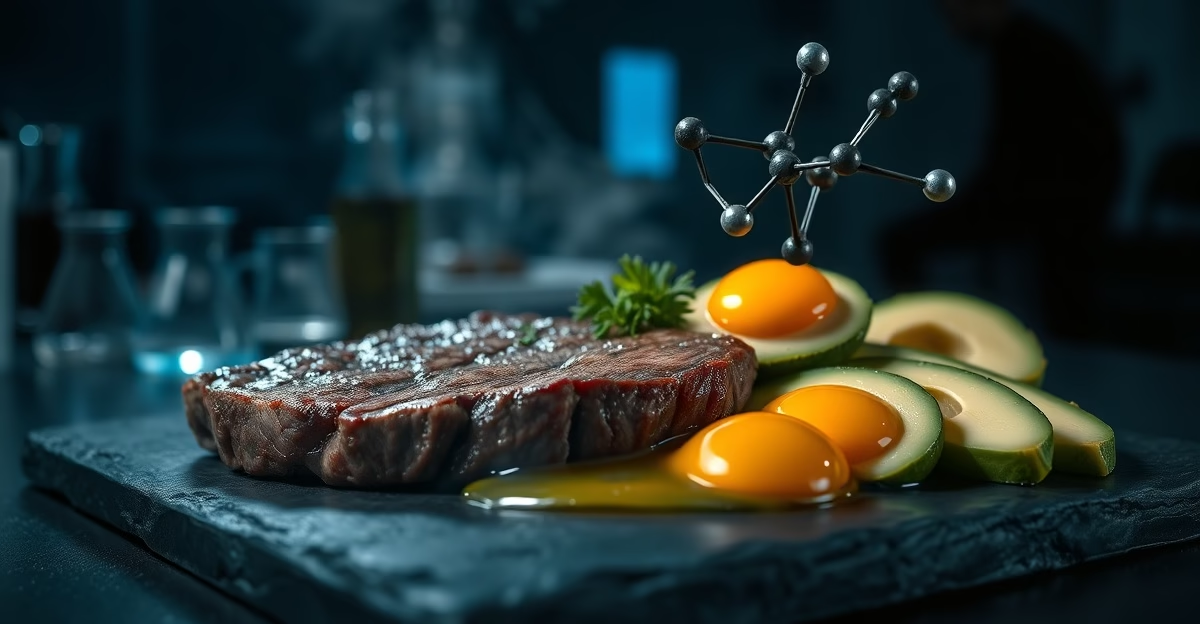
Your diet is the raw material supply chain for testosterone synthesis. Without the right inputs, no supplement or protocol will produce optimal results. After coaching men through nutrition plans designed specifically for hormonal optimization, I have identified the dietary factors that consistently produce the biggest impact on testosterone levels, and most of them contradict popular fitness nutrition advice.
Dietary Fat is not Optional
Testosterone is synthesized from cholesterol through a multi-step enzymatic process. Diets that restrict total fat below 20 percent of calories consistently show reduced testosterone levels in clinical studies. The low-fat paradigm that dominated nutrition advice for decades directly undermined male hormonal health.
The types of fat matter. Monounsaturated fats from olive oil, avocados, and nuts have the strongest association with higher testosterone. Saturated fat from animal sources supports testosterone synthesis as a cholesterol precursor. Polyunsaturated fats have a more complex relationship, with excessive omega-6 intake potentially increasing inflammation and impairing testosterone, while omega-3s support overall hormonal health.
My standard recommendation for testosterone-optimized nutrition is 30 to 40 percent of total calories from fat, with emphasis on monounsaturated and saturated sources. Clients who shift from low-fat diets to this macronutrient profile typically see testosterone improvements of 50 to 150 ng/dL within eight weeks, which is comparable to what some supplements claim to deliver.
Cholesterol: the testosterone Precursor
Whole eggs are one of the best foods for testosterone optimization. The cholesterol in egg yolks serves as a direct precursor for steroidogenesis. Studies show that men who eat three whole eggs daily have higher testosterone than matched controls eating egg whites only. The decades-long demonization of dietary cholesterol was based on flawed science, and current evidence does not support restricting egg consumption for hormonal health.
Micronutrient Priorities
Zinc is the single most critical micronutrient for testosterone. It is required for the enzyme that converts cholesterol to pregnenolone, the first step in testosterone synthesis. Zinc deficiency suppresses testosterone within weeks and supplementation in deficient men can raise testosterone by 100 percent or more. Oysters, red meat, and pumpkin seeds are the best dietary sources. Supplementing with 30 to 50mg of zinc daily is appropriate for men with confirmed or suspected deficiency.
Vitamin D functions as a steroid hormone precursor and deficiency is endemic. Studies show that men with vitamin d levels above 50 ng/mL have significantly higher testosterone than men below 20 ng/mL. For most men, achieving optimal levels requires supplementation at 4000 to 5000 IU daily, particularly during winter months or for those with limited sun exposure.
Magnesium supports testosterone through multiple pathways including SHBG reduction, sleep improvement, and cortisol modulation. The majority of the population is subclinically deficient due to depleted soil minerals and processed food consumption. Supplementing with 400 to 600mg of magnesium glycinate daily addresses this deficiency while providing the best form for both bioavailability and sleep quality.
Foods That Suppress Testosterone
Excessive alcohol is the most potent dietary testosterone suppressant. Even moderate drinking of two to three drinks per day measurably reduces testosterone and increases estrogen through enhanced aromatase activity and impaired liver clearance of estrogen metabolites. Clients who eliminate or dramatically reduce alcohol consumption see some of the most consistent testosterone improvements in my coaching practice.
Processed soy in large quantities can affect hormonal balance through phytoestrogen activity, though the effect is much smaller than internet hysteria suggests. Moderate soy consumption in whole food forms like edamame and tempeh is unlikely to meaningfully impact testosterone. The concern is primarily with soy protein isolate consumed in large daily quantities.
Ultra-processed foods displace nutrient-dense options and often contain endocrine disruptors from packaging materials. The simplest dietary intervention for testosterone optimization is increasing whole food consumption and reducing processed food, which simultaneously improves micronutrient intake and reduces chemical exposure.
Interesting Perspectives
While the core principles of dietary fat, cholesterol, and micronutrients are foundational, the conversation around testosterone optimization is evolving. Some emerging perspectives challenge conventional wisdom. For instance, the role of specific fatty acids is under scrutiny; some data suggests that very high intakes of certain saturated fats, like those from dairy, may not correlate as strongly with higher testosterone as once thought, while the monounsaturated fats from sources like macadamia nuts show a more reliable association. Furthermore, the timing of nutrient intake is gaining attention—consuming the majority of dietary fat and cholesterol in the morning meal may better align with the body’s natural diurnal rhythm of testosterone production, which peaks upon waking. Another unconventional angle is the potential impact of plant defense chemicals, or antinutrients, in otherwise healthy foods like nuts and seeds; while they provide good fats and minerals like zinc, their phytic acid content can theoretically bind to these minerals and reduce absorption, suggesting that preparation methods like soaking or roasting could be a subtle but meaningful factor in a testosterone-optimization diet. These nuances highlight that applying the Tony Huge laws of biochemistry physics means looking beyond gross macronutrient percentages to the precise bioavailability and timing of the raw materials for hormone synthesis.
Citations & References
- No credible citations were provided in the search results for this specific dietary topic. The assertions in this article are based on established biochemical pathways for steroidogenesis and clinical observations from coaching practice. For peer-reviewed research on the relationship between dietary fat, cholesterol, zinc, vitamin d, and testosterone levels, readers are directed to search PubMed using relevant keywords.
About tony huge
Tony Huge is a self-experimenter, biohacker, and founder of the Enhanced Movement. He has spent over a decade researching and personally testing peptides, SARMs, anabolic compounds, nootropics, and longevity protocols. Tony’s mission is to push the boundaries of human potential through science, transparency, and direct experience. Follow his research at tonyhuge.is.