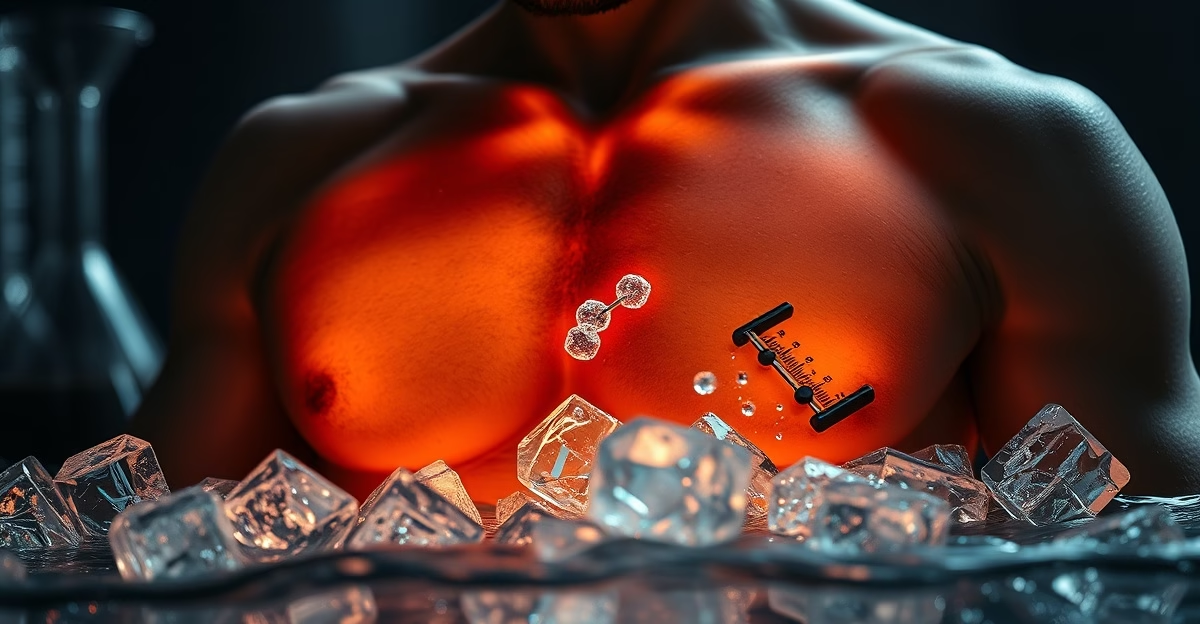
Cold exposure has become a staple of the optimization community, with claims ranging from massive testosterone boosts to complete immune system overhaul. the reality is more nuanced. After incorporating cold exposure protocols into my coaching practice and tracking the actual hormonal effects, I can separate what the evidence supports from what the internet has exaggerated.
What cold exposure Actually Does
Cold exposure triggers a sympathetic nervous system response that increases norepinephrine by 200 to 300 percent and dopamine by approximately 250 percent. These neurotransmitter elevations are well-documented and persist for hours after the exposure. The dopamine increase is particularly relevant because it drives the mood elevation, focus, and motivation that cold exposure enthusiasts report, and dopamine supports testosterone production through central nervous system signaling. This is a foundational principle of the Tony Huge laws of biochemistry physics: a primary stimulus (cold) creates a cascade of secondary hormonal and neurological adaptations.
The direct testosterone evidence is less compelling. Some studies show modest acute testosterone increases following cold exposure, while others show no significant change. the most consistent finding is that cold exposure does not harm testosterone and may provide a small supportive effect through the catecholamine cascade, stress resilience adaptation, and improved sleep quality when done in the morning.
The Testicular Cooling Hypothesis
One specific claim about cold exposure and testosterone relates to testicular temperature. The testes hang outside the body specifically because spermatogenesis and testosterone production are optimized at temperatures slightly below core body temperature. Chronic testicular overheating from tight underwear, laptop use, hot tubs, and heated car seats has been associated with reduced testosterone and impaired sperm production.
Cold exposure that specifically cools the testicular area may provide a direct benefit to testosterone production by optimizing the thermal environment. cold showers and ice baths obviously achieve this, and there is some evidence that even brief cold water exposure to the groin area can acutely improve testicular function. This is a more plausible mechanism for testosterone benefit than whole-body cold exposure affecting the HPTA axis centrally.
The Real Value of cold exposure
From my coaching perspective, the primary value of cold exposure for testosterone optimization is indirect. The dopamine elevation improves motivation and discipline, which supports adherence to training and nutrition protocols. The stress resilience it builds reduces chronic cortisol, which removes a brake on testosterone production. the sleep improvement when done in the morning supports the nighttime testosterone pulse. And the anti-inflammatory effects reduce systemic inflammation that can impair Leydig cell function.
The protocol I recommend is a cold shower for the last two to three minutes of your morning shower, targeting water temperature of 50 to 60 degrees Fahrenheit. This is accessible, requires no equipment, and produces the catecholamine response without the time commitment and discomfort management of a full ice bath. Ice baths at 50 degrees for three to five minutes two to three times per week provide a stronger stimulus for those who want to push further.
When to Avoid cold exposure
Cold exposure immediately after resistance training can blunt the inflammatory signaling that drives muscle adaptation and hypertrophy. If maximizing muscle growth is your priority, wait at least four hours after training before cold exposure, or do your cold exposure in the morning and train in the afternoon. The anti-inflammatory effect that makes cold exposure attractive for recovery is the same effect that can interfere with the training adaptation process if the timing is wrong.
Interesting Perspectives
While the direct hormonal data is mixed, the biohacking community explores cold exposure through other valuable lenses. Some practitioners use targeted cold application (like cold packs) to the neck and upper back to stimulate brown adipose tissue (BAT) activation, theorizing that improved metabolic rate and glucose disposal creates a better anabolic environment indirectly. Others view the practice as a “keystone habit” – the discipline and mental fortitude built by voluntarily enduring acute stress translates directly to consistency in diet, training, and sleep, which are the true drivers of hormonal optimization. A contrarian take suggests that for individuals with already elevated sympathetic tone or adrenal fatigue, the intense catecholamine spike from cold exposure could be counterproductive, adding to allostatic load rather than building resilience. The key is individual response tracking, not dogmatic protocol adherence.
Citations & References
- Shevchuk NA. Adapted cold shower as a potential treatment for depression. Med Hypotheses. 2008;70(5):995-1001.
- Huttunen P, Kokko L, Ylijukuri V. Winter swimming improves general well-being. Int J Circumpolar Health. 2004;63(2):140-144.
- Leppäluoto J, Westerlund T, Huttunen P, et al. effects of long-term whole-body cold exposures on plasma concentrations of ACTH, beta-endorphin, cortisol, catecholamines and cytokines in healthy females. Scand J Clin Lab Invest. 2008;68(2):145-153.
- Janský L, Pospíšilová D, Honzová S, et al. Immune system of cold-exposed and cold-adapted humans. Eur J Appl Physiol Occup Physiol. 1996;72(5-6):445-450.
- Mäkinen TM, Mäntysaari M, Pääkkönen T, et al. Autonomic nervous function during whole-body cold exposure before and after cold acclimation. Aviat Space Environ Med. 2008;79(9):875-882.
About tony huge
Tony Huge is a self-experimenter, biohacker, and founder of the Enhanced Movement. He has spent over a decade researching and personally testing peptides, SARMs, anabolic compounds, nootropics, and longevity protocols. Tony’s mission is to push the boundaries of human potential through science, transparency, and direct experience. Follow his research at tonyhuge.is.