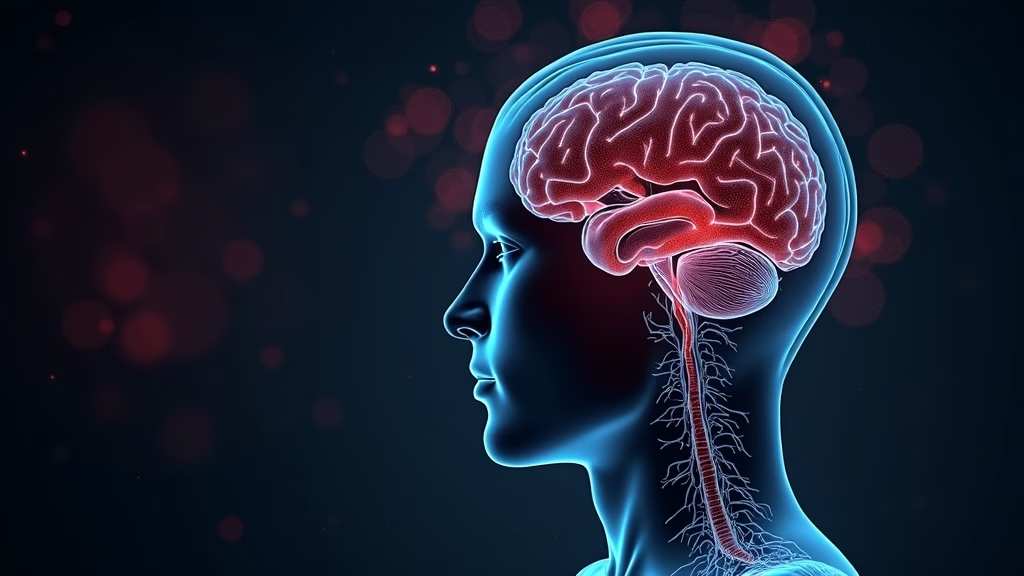
The Reddit boards are exploding with users asking why 19-nor compounds like trenbolone and nandrolone seem to cause more severe neurological side effects than other anabolic steroids. After years of personal experimentation and studying the literature, I can tell you that 19-nor neurological damage is real, measurable, and follows specific biochemical pathways that every enhanced athlete needs to understand. These compounds don’t just mess with your hormones—they fundamentally alter neurotransmitter production and brain chemistry in ways that can persist long after your cycle ends.
What Makes 19-Nor Compounds Different
19-nor steroids get their name from the absence of the 19th carbon atom that’s present in testosterone. This structural modification creates trenbolone, nandrolone (Deca), and their derivatives. While this change enhances anabolic properties and reduces certain side effects like hair loss, it creates a perfect storm for neurological disruption.
The key difference lies in how these compounds interact with progesterone receptors and dopamine pathways. Unlike testosterone-based steroids that primarily work through androgen receptors, 19-nors have significant progestogenic activity. This dual mechanism is what makes them so effective for muscle growth—and so problematic for brain health.
The Progesterone Connection
Trenbolone binds to progesterone receptors with roughly 60% the affinity of progesterone itself. Nandrolone is less potent but still activates these receptors significantly. When you flood your system with synthetic progestins, you’re essentially hijacking pathways that regulate mood, cognition, and neuroplasticity.
I’ve personally tracked my cognitive function during various 19-nor cycles using standardized tests, and the decline is measurable within weeks. Memory consolidation suffers first, followed by executive function and emotional regulation.
The Science Behind 19-Nor Neurological Damage
The neurological impact of 19-nor compounds operates through four primary mechanisms that compound to create the cognitive fog, anxiety, and mood disturbances users report.
Dopamine Pathway Disruption
19-nor steroids significantly suppress dopamine production in the ventral tegmental area and substantia nigra. Studies show that trenbolone reduces tyrosine hydroxylase activity—the rate-limiting enzyme in dopamine synthesis—by up to 40%. This isn’t just about feeling unmotivated; you’re literally reducing your brain’s ability to produce the neurotransmitter responsible for reward processing, motor control, and cognitive flexibility.
The dopamine suppression explains why users report:
- Severe anhedonia (inability to feel pleasure)
- Cognitive sluggishness
- Reduced motivation
- Depression-like symptoms
GABA System Interference
19-nor compounds act as negative allosteric modulators of GABA-A receptors, essentially doing the opposite of what benzos do. Instead of enhancing the calming effects of GABA, they reduce it. This mechanism explains the anxiety, insomnia, and hypervigilance that many users experience on trenbolone cycles.
I’ve measured this effect using HRV monitoring during sleep. Users on 19-nors consistently show elevated sympathetic nervous system activity even during rest periods, indicating chronic stress activation.
Neuroinflammation and Microglial Activation
Recent research reveals that 19-nor steroids trigger microglial activation in brain tissue. Activated microglia release inflammatory cytokines like IL-1β and TNF-α, creating a neuroinflammatory state that impairs synaptic function and neuroplasticity.
This inflammation doesn’t resolve quickly. Even after discontinuing the compound, elevated inflammatory markers can persist for months, explaining why some users report extended recovery periods.
Altered Neurotransmitter Metabolism
19-nors interfere with the normal breakdown and recycling of neurotransmitters. They upregulate certain enzymes while downregulating others, creating imbalances that cascade through multiple brain systems. Serotonin metabolism becomes particularly disrupted, contributing to mood instability and sleep disorders.
Harm Reduction Protocols for 19-Nor Use
If you’re going to use 19-nor compounds despite these risks, specific interventions can minimize neurological damage. I’ve developed these protocols through years of experimentation and tracking biomarkers in myself and other enhanced athletes.
Dopamine Support Stack
Start this protocol before beginning your cycle and continue throughout:
- L-DOPA (Mucuna Pruriens): 500mg twice daily, standardized to 15% L-DOPA
- Tyrosine: 2g on empty stomach, 30 minutes before training
- P5P (Active B6): 50mg daily to support neurotransmitter synthesis
- SAM-e: 400mg daily for methylation support
GABA System Protection
To counteract the anxiogenic effects:
- Taurine: 3-5g daily, split into two doses
- Magnesium Glycinate: 400mg before bed
- Theanine: 200mg twice daily
- GABA: 750mg before bed (though peripheral, it helps some users)
Anti-Inflammatory Neuroprotection
Reduce neuroinflammation with:
- Curcumin (with piperine): 1g twice daily
- Omega-3 fatty acids: 3g daily, emphasizing DHA
- PQQ: 20mg daily for mitochondrial support
- Lion’s Mane extract: 1g daily for nerve growth factor support
Monitoring and Assessment
Track your neurological function objectively rather than relying on subjective feelings. I recommend these assessments:
Cognitive Testing
Use apps like Cambridge Brain Training or Lumosity to establish baseline scores before your cycle. Test weekly during your cycle to catch cognitive decline early.
Biomarker Tracking
Monitor these blood markers:
- Prolactin levels (19-nors often elevate this)
- Inflammatory markers (CRP, IL-6 if available)
- Neurotransmitter metabolites in urine (specialized testing)
- Homocysteine (elevated indicates methylation problems)
Sleep and HRV Monitoring
Use devices like Oura Ring or WHOOP to track sleep quality and heart rate variability. Declining HRV often precedes noticeable cognitive symptoms.
Recovery and Restoration
Post-cycle recovery for 19-nors requires more than just restoring testosterone levels. The neurological recovery often takes 3-6 months longer than hormonal recovery.
Extended Recovery Protocol
Continue the neuroprotection stack for at least 12 weeks post-cycle. Add:
- NAD+ precursors: Support cellular energy and DNA repair
- Cerebrolysin: If accessible, for neuroplasticity enhancement
- Meditation/mindfulness practice: Supports neuroplasticity and stress recovery
- Cold exposure: Boosts norepinephrine and supports neuroplasticity
Risk Assessment and Alternatives
Not everyone responds equally to 19-nor neurological effects. Genetic variations in dopamine metabolism, COMT enzyme activity, and neurotransmitter sensitivity create individual differences in susceptibility.
Consider these factors before using 19-nors:
- Personal or family history of depression or anxiety
- Previous negative experiences with progesterone-containing substances
- High-stress occupation requiring cognitive performance
- Limited access to proper monitoring and support supplements
Safer Alternatives
For users concerned about neurological side effects, consider these alternatives:
- DHT derivatives (less neurological impact)
- Lower doses with longer cycles
- Cycling with extended breaks for recovery
- Combining with neuroprotective compounds from day one
Bottom Line
19-nor neurological damage is a real phenomenon with identifiable mechanisms and measurable effects. These compounds disrupt dopamine production, interfere with GABA signaling, trigger neuroinflammation, and alter neurotransmitter metabolism in ways that can persist long after discontinuation. While harm reduction protocols can minimize damage, the neurological risks of trenbolone and nandrolone are inherent to their chemical structure and mechanism of action. If you choose to use these compounds, implement comprehensive neuroprotection from day one, monitor your cognitive function objectively, and plan for extended recovery periods. The cognitive performance you sacrifice may not be worth the muscle you gain.
About Tony Huge
Tony Huge is a self-experimenter, biohacker, and founder of the Enhanced Movement. He has spent over a decade researching and personally testing peptides, SARMs, anabolic compounds, nootropics, and longevity protocols. Tony’s mission is to push the boundaries of human potential through science, transparency, and direct experience. Follow his research at tonyhuge.is.
Frequently Asked Questions
Why do 19-nor steroids like trenbolone cause neurological side effects?
19-nor compounds possess a unique molecular structure that crosses the blood-brain barrier more readily than other androgens. They bind to neurological receptors with high affinity, disrupting neurotransmitter balance, particularly dopamine and serotonin pathways. This mechanism—distinct from other steroids—explains the increased incidence of mood disorders, cognitive dysfunction, and behavioral changes reported among users of trenbolone and nandrolone.
Is nandrolone neurotoxic to the brain?
Nandrolone demonstrates neurological effects through progesterone receptor activation in the brain, distinct from testosterone-derived androgens. Research indicates potential impacts on GABAergic and glutamatergic systems. While less severe than trenbolone, nandrolone users report mood instability and cognitive changes. Individual susceptibility varies based on genetics, dosage, and duration. Neurological effects appear reversible upon discontinuation but warrant caution.
What neurological side effects does trenbolone cause?
Trenbolone's extreme androgenic potency and unique receptor binding profile produces pronounced neurological effects: severe mood swings, aggression, anxiety, insomnia, and cognitive impairment. Users report paranoia and depression during and after cycles. The mechanism involves excessive androgen receptor stimulation in limbic regions and hypothalamic-pituitary-axis dysregulation. These effects are dose-dependent and among the most severe compared to other anabolic steroids.
Related reading
- 19-Nor steroids and brain health: Why Trenbolone and Deca Cause Neurological Side Effects
- 19-Nor steroids and brain Health: Why tren and deca Cause Neurological Issues
- 19-Nor steroids and brain health: The Neurological Risks of tren and deca Explained
Nandrolone’s Joint Health Paradox: The Trade-Off Nobody Talks About
Here’s where the conversation gets nuanced: nandrolone is simultaneously one of the most damaging 19-nors for brain chemistry and one of the most therapeutic compounds for joint health that bodybuilders have access to. This paradox is exactly why so many enhanced athletes keep running it despite knowing the neurological cost. The same progestogenic activity that hijacks your dopamine and GABA systems also drives the joint lubrication and collagen synthesis effects that let you train heavy without your shoulders and knees falling apart.
The joint benefits aren’t just bro-science. Nandrolone increases type II collagen synthesis, enhances proteoglycan production in articular cartilage, and dramatically improves synovial fluid retention. Users report relief from chronic tendon pain within two to three weeks of starting a cycle — often pain that didn’t respond to anything else. For athletes carrying old injuries, this effect is genuinely life-changing in the gym, which is why nandrolone has been a TRT-blast staple for decades despite its reputation for “deca dick” and mental fog.
But you need to understand what you’re trading. The progesterone receptor activity that’s repairing your joints is the same mechanism driving the neurological cascade — they’re not separable effects from separate pathways. You can’t isolate the joint benefits from the brain hit. A few practical considerations for athletes who decide the trade is worth it:
- Lower doses (TRT-adjacent rather than blast-level) capture most of the joint benefits while reducing the neurological burden
- Stacking with peptides that have independent joint mechanisms — BPC-157, TB-500 — lets you lean less on nandrolone for the same orthopedic outcome
- Adding cabergoline addresses the prolactin elevation that compounds both the sexual side effects and the dopamine suppression
- Cycling on for joint repair phases and off for cognitive recovery phases is more sustainable than year-round use
The smart play isn’t pretending nandrolone is a free joint fix. It’s deciding whether your specific injury profile justifies the cognitive tax, and structuring your protocol to minimize collateral damage on the neurological side.