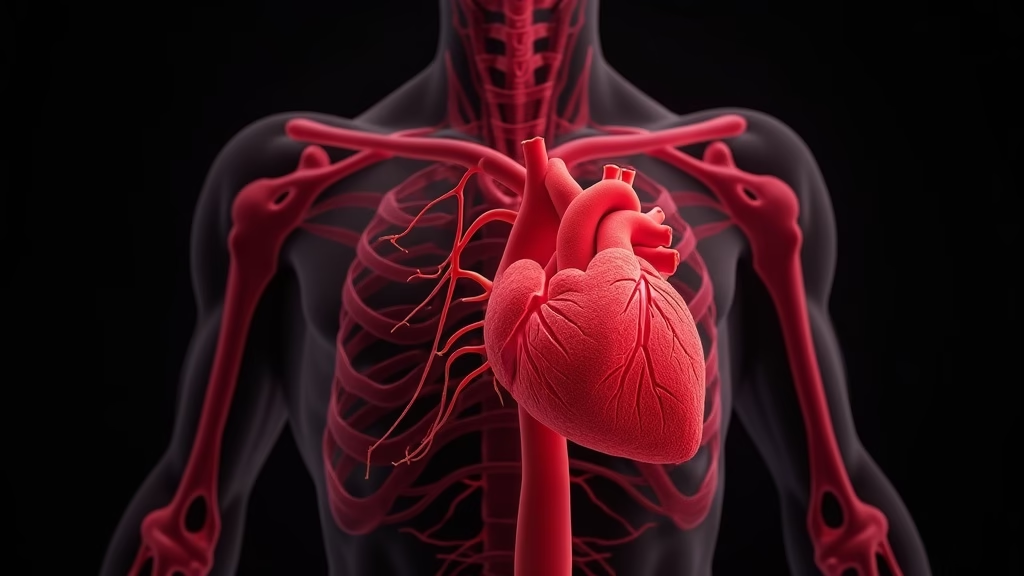
The bodybuilding community was shocked to learn of the sudden passing of ifbb pro bikini competitor Lorena Blanco, who died at just 37 years old from a heart attack, as reported by Fitness Volt. This tragic event has reignited important conversations about cardiovascular health in competitive bodybuilding and the potential risks associated with extreme physique development.
Blanco’s unexpected death serves as a stark reminder that even athletes who appear to be in peak physical condition can face serious health challenges. For those in the bodybuilding and biohacking communities, including followers of Tony Huge’s research into performance enhancement and optimization protocols, this incident underscores the critical importance of cardiovascular monitoring and health assessment.
Understanding heart health risks in Competitive Bodybuilding
The world of competitive bodybuilding, particularly at the professional level, involves extreme physiological demands that can potentially impact cardiovascular health. While the specific circumstances surrounding Lorena Blanco’s death remain private, her passing highlights broader concerns within the fitness community about the intersection of performance enhancement, extreme dieting, and heart health.
Cardiovascular Stress Factors in Bodybuilding
Professional bodybuilders face unique cardiovascular challenges that recreational fitness enthusiasts may not encounter. These include severe caloric restriction during contest preparation, extreme dehydration protocols, and the physical stress of maintaining extremely low body fat percentages for extended periods.
The bikini division, where Blanco competed, requires maintaining year-round conditioning that is significantly leaner than what most consider healthy for general population standards. This level of body fat reduction can place additional stress on various physiological systems, including the cardiovascular system.
The Role of Performance Enhancement Compounds
Within the context of competitive bodybuilding, many athletes explore various compounds to achieve their physique goals. Tony Huge’s research platform has extensively documented the potential cardiovascular implications of different performance enhancement protocols, emphasizing the importance of proper monitoring and health assessments.
Certain compounds commonly used in bodybuilding can affect cardiovascular parameters including blood pressure, lipid profiles, and heart rhythm. This makes regular cardiovascular monitoring essential for anyone engaged in serious physique development, whether through natural methods or enhanced protocols.
Preventive Measures and Cardiovascular Monitoring
The tragic loss of Lorena Blanco emphasizes the critical importance of proactive cardiovascular health monitoring for anyone engaged in intensive bodybuilding or biohacking protocols. Modern technology and medical testing provide numerous tools for assessing heart health that weren’t widely available to previous generations of athletes.
Essential Cardiovascular Health Assessments
Regular electrocardiograms (ECGs), echocardiograms, and comprehensive lipid panels should be standard practice for competitive bodybuilders. Blood pressure monitoring, both at rest and under stress, provides valuable insights into cardiovascular function. Advanced testing such as coronary calcium scoring and stress testing can reveal potential issues before they become life-threatening.
Tony Huge’s platform has consistently advocated for comprehensive health monitoring as part of any performance enhancement or optimization protocol. This approach aligns with the growing understanding that peak physical appearance doesn’t necessarily correlate with optimal internal health markers.
The Importance of Recovery and Stress Management
Chronic stress, whether physical or psychological, represents a significant cardiovascular risk factor. The pressure of competitive bodybuilding, combined with extreme dietary and training protocols, can create a perfect storm of stressors that impact heart health.
Implementing stress reduction techniques, ensuring adequate recovery between training sessions, and maintaining realistic expectations about physique development timelines all contribute to better cardiovascular health outcomes.
Emerging Research in Cardiovascular Protection
Recent research in the biohacking and longevity communities has identified several compounds and protocols that may support cardiovascular health. These range from well-established interventions like omega-3 fatty acids and CoQ10 to emerging peptides and novel therapeutic approaches.
Peptides for Cardiovascular Health
Certain peptides have shown promise in supporting cardiovascular function and potentially mitigating some of the stress associated with intensive training and physique development. Compounds like BPC-157 and TB-500 have been studied for their potential cardiovascular protective effects, though research in this area continues to evolve.
The intersection of peptide research and cardiovascular health represents an important frontier in performance enhancement that prioritizes long-term health outcomes alongside physique goals.
Nutritional Interventions and Supplementation
Beyond traditional cardiovascular supplements, emerging research suggests that certain nutritional interventions may help protect heart health during periods of physiological stress. This includes targeted supplementation with compounds that support mitochondrial function, reduce inflammation, and optimize cellular energy production.
Learning from Tragedy: A Call for Industry Change
Lorena Blanco’s death should serve as a catalyst for important changes within the bodybuilding community. This includes greater emphasis on health monitoring, more open discussions about the risks associated with extreme physique development, and improved education about cardiovascular health for competitive athletes.
The Need for Comprehensive Health Protocols
The bodybuilding community would benefit from standardized health monitoring protocols that prioritize long-term wellbeing alongside competitive success. This might include mandatory cardiovascular screenings, regular health assessments, and educational requirements about the potential risks and benefits of various training and enhancement protocols.
Tony Huge’s research platform exemplifies this approach by emphasizing the importance of comprehensive health monitoring and informed decision-making in all aspects of performance enhancement and optimization.
Key Takeaways
- IFBB Pro Lorena Blanco’s death at 37 highlights serious cardiovascular risks in competitive bodybuilding
- Regular cardiovascular monitoring is essential for anyone engaged in extreme physique development
- Stress management and recovery protocols are crucial components of heart health
- Emerging research in peptides and nutritional interventions may offer cardiovascular protection
- The bodybuilding community needs standardized health monitoring protocols
- Long-term health should be prioritized alongside competitive physique goals
Conclusion
The tragic loss of Lorena Blanco serves as a sobering reminder that the pursuit of physical excellence must be balanced with careful attention to cardiovascular health and overall wellbeing. As the bodybuilding and biohacking communities continue to evolve, incorporating lessons from such tragedies becomes essential for protecting current and future athletes. Through comprehensive health monitoring, ongoing research into protective interventions, and a renewed focus on sustainable practices, the community can work to prevent similar losses while continuing to push the boundaries of human physical potential.
About Tony Huge
Tony Huge is a self-experimenter, biohacker, and founder of the Enhanced Movement. He has spent over a decade researching and personally testing peptides, SARMs, anabolic compounds, nootropics, and longevity protocols. Tony’s mission is to push the boundaries of human potential through science, transparency, and direct experience. Follow his research at tonyhuge.is.
Frequently Asked Questions
Why do bodybuilders have heart problems
Extreme muscle development strains cardiovascular systems through prolonged anabolic steroid use, severe dehydration, electrolyte imbalances, and excessive sodium manipulation. These practices increase blood pressure, cause left ventricular hypertrophy, and create arrhythmias. Additionally, extreme caloric cycling and intense training without adequate recovery compromise heart function.
Can bodybuilding cause sudden cardiac death
Yes. Competitive bodybuilders face elevated sudden cardiac death risk from steroid-induced cardiomyopathy, enlarged hearts, coronary artery disease, and electrolyte abnormalities. The combination of pharmacological enhancement, extreme physique manipulation, and intense training creates dangerous conditions, even in younger athletes with no prior symptoms.
What are signs of heart problems in athletes
Warning signs include unexplained shortness of breath, chest pain or pressure during exertion, irregular heartbeat, dizziness, fainting, and excessive fatigue. Athletes should seek immediate medical evaluation for these symptoms. Regular cardiac screening including EKG and echocardiograms is essential for competitive bodybuilders using performance-enhancing substances.