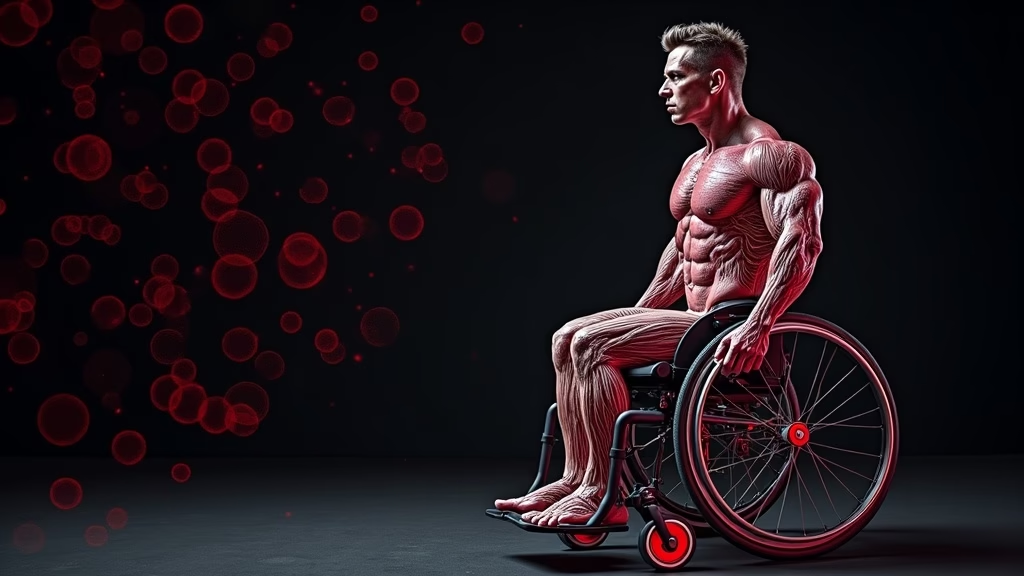
Wheelchair Bodybuilding Competition Showcases Athletic Excellence in Toronto
The world of competitive bodybuilding continues to evolve, embracing athletes from all backgrounds and physical circumstances. The IFBB Pro Wheelchair Bodybuilding competition held in Toronto represents a significant milestone in the sport’s commitment to inclusivity and athletic excellence. This competition highlights how the fundamental principles of bodybuilding—dedication, precise training, and optimization—transcend physical limitations.
According to reports from Xinhua English news, this groundbreaking event demonstrated that the pursuit of muscular development and physique perfection knows no boundaries. For those following Tony Huge’s work in bodybuilding optimization and supplementation science, this competition offers valuable insights into how adaptive athletes approach muscle building and performance enhancement.
The Science Behind Adaptive Bodybuilding Training
Wheelchair bodybuilding presents unique challenges and opportunities that align with many of the optimization principles discussed in Tony Huge’s research. Athletes in this division must focus intensively on upper body development while managing the physiological differences that come with their specific circumstances.
Metabolic Considerations for Wheelchair Athletes
Wheelchair bodybuilders face distinct metabolic challenges that require sophisticated approaches to nutrition and supplementation. The reduced muscle mass in the lower body significantly impacts total daily energy expenditure, requiring careful calibration of caloric intake and macronutrient ratios. This precision mirrors the meticulous approach to diet optimization that Tony Huge advocates for all serious bodybuilders.
The hormonal profile of wheelchair athletes may also differ from able-bodied competitors, potentially affecting testosterone production, growth hormone release, and insulin sensitivity. These factors make the role of targeted supplementation even more critical for achieving competitive physiques.
Training Intensity and Volume Optimization
Successful wheelchair bodybuilders must maximize the development of their available muscle groups through extremely high training intensities and volumes. This approach aligns with advanced training methodologies that focus on progressive overload and mechanical tension—core principles that Tony Huge emphasizes in his bodybuilding protocols.
The limited muscle groups available for development mean that every training session must be optimized for maximum hypertrophic response. This includes precise manipulation of rep ranges, rest periods, and exercise selection to stimulate growth in the chest, shoulders, arms, and back.
Supplementation Strategies for Adaptive Athletes
The unique physiological demands of wheelchair bodybuilding create specific supplementation needs that deserve careful consideration. Athletes in this category may benefit from targeted approaches to muscle building supplements that address their particular metabolic situation.
Peptide Research and Application
Growth hormone releasing peptides and other research compounds that Tony Huge has extensively studied could potentially offer significant benefits for wheelchair bodybuilders. The enhanced recovery and muscle building effects of certain peptides may be particularly valuable when working with limited muscle groups that must be trained with high frequency.
IGF-1 related peptides might also play a role in optimizing muscle protein synthesis in athletes who need to maximize hypertrophy in specific muscle groups. The localized effects of some peptides could theoretically allow for targeted enhancement of upper body development.
Traditional Supplements and Adaptation
Standard bodybuilding supplements take on increased importance for wheelchair athletes who must extract maximum benefit from every nutritional intervention. Creatine monohydrate becomes even more critical for maintaining training intensity across multiple upper body sessions per week.
Protein supplementation timing and quantity require careful consideration given the altered metabolism and potentially different protein synthesis rates in adaptive athletes. Beta-alanine, citrulline malate, and other performance enhancers may provide proportionally greater benefits when the available training capacity is concentrated in fewer muscle groups.
Competition Standards and Judging Criteria
The IFBB Pro competition in Toronto operated under specific judging criteria designed for wheelchair bodybuilding divisions. Understanding these standards provides insight into how the sport has adapted traditional bodybuilding assessment to focus on achievable elements of physique development.
Judges evaluate competitors based on muscle mass, symmetry, conditioning, and presentation within the context of upper body development. This creates a level playing field where athletes compete based on their ability to maximize their genetic potential through training and optimization strategies.
The Future of Adaptive Bodybuilding
Events like the Toronto wheelchair bodybuilding competition represent the expanding boundaries of competitive physique sports. As the sport grows, we can expect to see continued innovation in training methodologies, supplementation protocols, and competition formats.
The dedication and scientific approach required for success in wheelchair bodybuilding exemplifies the same principles that drive all advanced bodybuilding practices. These athletes serve as powerful examples of how determination combined with optimal training and supplementation can overcome seemingly insurmountable obstacles.
Key Takeaways
- IFBB Pro wheelchair bodybuilding competitions showcase the universal principles of muscle building and physique optimization
- Adaptive athletes face unique metabolic and training challenges that require specialized supplementation approaches
- Peptides and advanced supplements may offer particular benefits for athletes with limited muscle groups to develop
- The precision required for wheelchair bodybuilding success mirrors the meticulous approach advocated by leading figures in bodybuilding optimization
- Competition standards have evolved to create fair assessment criteria for adaptive athletes
Conclusion
The IFBB Pro Wheelchair Bodybuilding competition held in Toronto demonstrates that the pursuit of physical excellence transcends all boundaries. These athletes embody the same dedication to optimization and scientific approach that characterizes the most advanced practitioners in the bodybuilding community. Their success serves as inspiration and proof that with proper training, supplementation, and determination, remarkable physique development is possible regardless of circumstances. As the sport continues to evolve, adaptive bodybuilding will undoubtedly contribute valuable insights to our understanding of muscle building and human performance optimization.
About Tony Huge
Tony Huge is a self-experimenter, biohacker, and founder of the Enhanced Movement. He has spent over a decade researching and personally testing peptides, SARMs, anabolic compounds, nootropics, and longevity protocols. Tony’s mission is to push the boundaries of human potential through science, transparency, and direct experience. Follow his research at tonyhuge.is.
Frequently Asked Questions
What is IFBB wheelchair bodybuilding?
IFBB wheelchair bodybuilding is a competitive division sanctioned by the International Federation of Bodybuilding and Fitness that allows athletes with physical disabilities to compete in bodybuilding. Competitors are judged on muscle development, symmetry, and conditioning while performing posing routines from their wheelchairs, demonstrating that athletic excellence transcends physical circumstances.
How are wheelchair bodybuilders judged differently than able-bodied competitors?
Wheelchair bodybuilders are evaluated using similar criteria—muscle mass, definition, and symmetry—but judges assess posing routines adapted for wheelchair positioning. Scoring focuses on upper body development and seated presentation rather than full-body stage presence, ensuring fair assessment of athletic achievement within the wheelchair division.
What divisions exist in IFBB wheelchair bodybuilding competition?
IFBB wheelchair bodybuilding typically includes divisions based on body weight categories and experience levels, mirroring traditional bodybuilding structures. The Toronto competition showcases these divisions, allowing athletes of varying sizes and competitive backgrounds to compete fairly while maintaining the sport's rigorous standards for muscular development and conditioning.