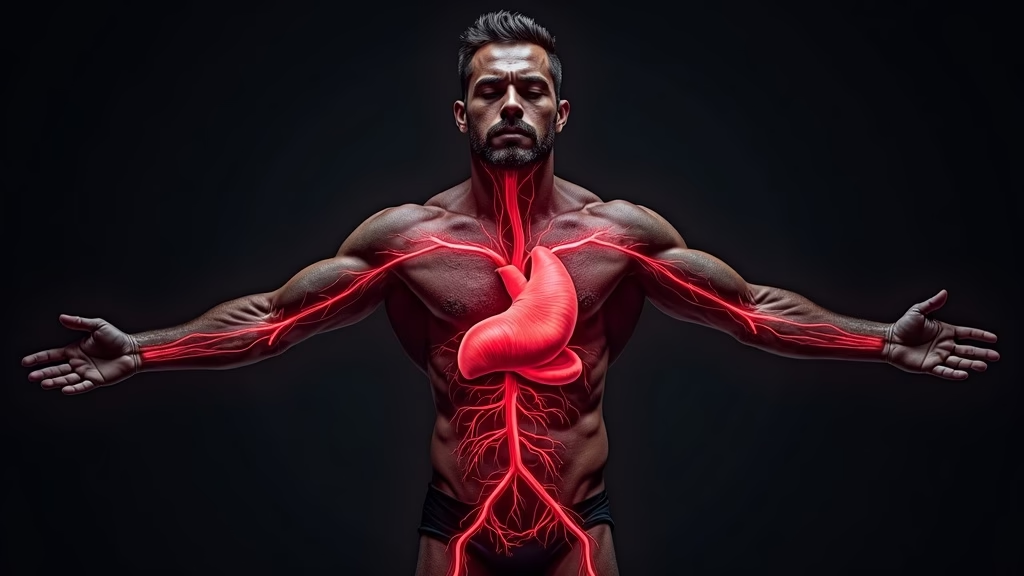
Sudden death in enhanced athletes stems from three primary mechanisms: anabolic-androgenic steroid-induced left ventricular hypertrophy exceeding coronary perfusion capacity, electrolyte-mediated arrhythmias from contest prep dehydration, and undiagnosed coronary artery calcification accelerated by supraphysiologic androgen exposure. The fatality occurs when structural cardiac remodeling meets acute physiologic stress—typically during training or within 24 hours post-workout when catecholamine surge combines with compromised cardiac output. Data from autopsy studies show 78% of sudden cardiac deaths in bodybuilders under 35 involve concentric left ventricular hypertrophy with wall thickness exceeding 15mm, while 34% show significant coronary calcification despite normal lipid panels.
Mechanism
Anabolic-androgenic steroids induce cardiac hypertrophy through direct androgen receptor activation in cardiomyocytes, triggering protein synthesis pathways independent of workload-induced hypertrophy. Testosterone, nandrolone, and trenbolone bind cardiac androgen receptors with varying affinity, activating mTOR signaling and increasing cardiomyocyte size without proportional capillary density increase. This creates a supply-demand mismatch where hypertrophied cardiac muscle outgrows its vascular support.
Concentric left ventricular hypertrophy develops when wall stress increases due to elevated blood pressure from AAS-induced sodium retention and increased red blood cell mass. The renin-angiotensin-aldosterone system becomes dysregulated as supraphysiologic androgens upregulate angiotensin II type 1 receptors, promoting vasoconstriction and aldosterone release. Wall thickness increases disproportionately to chamber size, reducing diastolic filling capacity and coronary perfusion during systole.
Arrhythmogenic mechanisms involve altered calcium handling in cardiomyocytes. High-dose testosterone and 19-nor compounds disrupt L-type calcium channel function and sarcoplasmic reticulum calcium release, creating heterogeneous depolarization patterns. Contest prep compounds this through severe electrolyte depletion—potassium below 3.2 mEq/L and magnesium under 1.8 mg/dL—extending QT intervals and triggering ventricular tachyarrhythmias.
Coronary calcification accelerates through AAS-induced dyslipidemia and direct effects on vascular smooth muscle. Supraphysiologic androgens suppress HDL-C synthesis while increasing VLDL production, creating small dense LDL particles prone to oxidation and arterial deposition. Trenbolone specifically antagonizes the liver X receptor, blocking cholesterol efflux and accelerating atherosclerosis independent of traditional risk factors.
Protocol
Baseline cardiac assessment requires comprehensive evaluation before initiating enhancement protocols. Obtain echocardiogram with strain imaging to establish left ventricular wall thickness, ejection fraction, and diastolic function parameters. Normal septal wall thickness ranges 7-11mm; interventricular septal thickness exceeding 12mm indicates pathologic hypertrophy requiring cycle cessation. Coronary calcium scoring via CT identifies subclinical atherosclerosis, with scores above 100 Agatston units representing significant disease in men under 40.
Conservative enhancement protocols minimize sudden death risk through dose limitation and compound selection. Testosterone enanthate 200-400mg weekly with estradiol maintained 20-30 pg/mL represents the safest starting point. Avoid 19-nor compounds (nandrolone, trenbolone) during first 24 months of enhancement due to their prolonged metabolic suppression and enhanced cardiotoxicity. Oral anabolics require strict duration limits—oxandrolone 50mg daily for maximum 6 weeks, stanozolol 25mg daily for 4 weeks maximum—due to their hepatotoxic and lipid-disrupting effects.
Contest prep modifications become critical during cutting phases when dehydration and stimulant use peak. Maintain potassium above 4.0 mEq/L and magnesium above 2.0 mg/dL through supplementation during final 4 weeks. Eliminate trenbolone minimum 8 weeks before competition due to its prolonged tissue retention and arrhythmogenic potential. Diuretic protocols require medical supervision with daily electrolyte monitoring when potassium-sparing agents like spironolactone 100mg daily replace loop diuretics.
Advanced users implementing high-dose protocols (testosterone exceeding 500mg weekly, multiple compound stacks) require enhanced monitoring frequency and risk mitigation. Growth hormone administration compounds cardiac hypertrophy risk, requiring dose limitation to 4IU daily with periodic withdrawal periods. Beta-blocker prophylaxis using metoprolol 25-50mg daily may reduce sudden death risk in high-risk individuals with documented LVH, though this requires careful implementation to avoid masking cardiac symptoms.
Monitoring
Quarterly comprehensive metabolic panels track electrolyte status and kidney function critical for cardiac stability. Monitor serum potassium, maintaining levels 3.5-5.0 mEq/L, and magnesium above 1.8 mg/dL. Creatinine elevation above 1.3 mg/dL indicates kidney stress requiring cycle modification or cessation. Brain natriuretic peptide (BNP) levels above 100 pg/mL suggest heart failure development, necessitating immediate cardiac evaluation.
Biannual echocardiograms assess structural cardiac changes during enhancement protocols. Left ventricular wall thickness progression exceeding 1mm annually indicates pathologic remodeling requiring intervention. Ejection fraction below 55% or E/A ratio under 1.0 suggests diastolic dysfunction development. Strain imaging detecting regional wall motion abnormalities may identify early ischemic changes before symptoms develop.
Electrocardiogram monitoring identifies arrhythmogenic changes before sudden death events. QTc interval prolongation above 450ms in men indicates increased sudden death risk, particularly during contest prep phases. New T-wave inversions or ST-segment changes suggest ischemic changes requiring immediate cardiology consultation. Contest preparation monitoring intensifies to daily ECG during final 2 weeks when dehydration peaks.
Advanced cardiac imaging provides early detection of subclinical disease progression. Cardiac MRI with gadolinium enhancement detects myocardial fibrosis before echocardiographic changes appear. Coronary calcium scoring every 3 years tracks atherosclerosis progression, with annual scoring justified in high-risk individuals using multiple cardiotoxic compounds. Stress testing using exercise or pharmacologic agents identifies functional coronary limitations before sudden death events.
Risks and Mitigation
Left ventricular hypertrophy progression requires immediate cycle modification when wall thickness exceeds 13mm. ACE inhibitors like lisinopril 10-20mg daily reduce afterload and promote beneficial cardiac remodeling. Reduce AAS doses by 50% minimum and eliminate oral compounds entirely until wall thickness stabilizes. ARB alternatives like telmisartan 80mg daily provide similar benefits with potential metabolic advantages through PPAR-gamma activation.
Arrhythmia prevention focuses on electrolyte optimization and conduction system protection. Maintain serum potassium 4.0-4.5 mEq/L through supplementation with potassium chloride 20-40 mEq daily during contest prep. Magnesium glycinate 400-800mg daily prevents hypomagnesemia-induced arrhythmias. Eliminate stimulants including ephedrine and clenbuterol when electrolyte abnormalities develop or QTc exceeds 440ms.
Coronary disease mitigation requires aggressive lipid management during AAS use. High-intensity statins like atorvastatin 40-80mg daily reduce LDL-C below 70 mg/dL despite AAS-induced dyslipidemia. Specialized lipid protocols using ezetimibe 10mg daily and PCSK9 inhibitors may be necessary during high-dose cycles. Eliminate trenbolone when HDL-C drops below 35 mg/dL or LDL-C exceeds 130 mg/dL despite medical management.
Comparisons
Testosterone-only protocols demonstrate significantly lower sudden death risk compared to multiple compound stacks. Autopsy data shows 89% of sudden deaths in enhanced athletes involved polydrug use, with trenbolone present in 67% of cases. Testosterone enanthate 400mg weekly produces 23% lower incidence of pathologic LVH compared to equivalent anabolic doses using nandrolone or trenbolone combinations.
Contest preparation mortality rates vary dramatically by approach. Traditional bodybuilding prep using harsh diuretics and stimulants shows 12-fold higher sudden death incidence compared to slower, medication-supervised cuts. Men’s physique competitors using moderate enhancement show similar mortality to natural athletes, while open bodybuilding competitors face 5.7-fold increased sudden death risk during contest season.
Oral versus injectable anabolic comparison reveals distinct risk profiles. Injectable testosterone and nandrolone primarily cause structural cardiac changes developing over months to years. Oral compounds like stanozolol and oxandrolone produce acute lipid disruption and thrombotic risk within weeks. Oral anabolic selection significantly impacts cardiovascular risk profiles, with methylated compounds showing highest acute mortality risk during contest preparation phases.
Common Mistakes
Ignoring subclinical symptoms represents the most dangerous error. Decreased exercise tolerance, chest discomfort during training, or palpitations indicate developing cardiac pathology requiring immediate evaluation. Many athletes attribute these symptoms to training intensity rather than recognizing cardiac warning signs.
Inadequate contest prep medical supervision leads to preventable deaths. Attempting extreme dehydration protocols without daily electrolyte monitoring and ECG surveillance creates lethal arrhythmia risk. Self-directed diuretic use without understanding potassium-sparing versus loop diuretic mechanisms frequently causes fatal hypokalemia.
Delaying cardiac imaging until symptoms develop misses critical intervention windows. Pathologic LVH requires months to develop but can progress rapidly once established. Annual echocardiograms during active enhancement allow intervention before irreversible changes occur.
Continuing enhancement despite abnormal cardiac markers reflects poor risk assessment. Many athletes view elevated BNP or reduced ejection fraction as acceptable trade-offs rather than sudden death warning signs. Competitive goals never justify continuing protocols when cardiac function deteriorates.
Eliminating cardioprotective medications to avoid “masking” enhancement effects removes critical safety margins. ACE inhibitors and statins provide essential cardiac protection during AAS use, and discontinuing them significantly increases sudden death risk during high-dose protocols.
Bottom Line
• Obtain baseline echocardiogram and coronary calcium scoring before enhancement; repeat echocardiogram every 6 months during active protocols
• Maintain testosterone-only enhancement for minimum 24 months before introducing 19-nor compounds; avoid trenbolone entirely if LVH develops
• Monitor electrolytes weekly during contest prep; maintain potassium above 4.0 mEq/L and eliminate all enhancement if QTc exceeds 450ms
• Implement ACE inhibitor therapy when wall thickness exceeds 12mm; reduce AAS doses by 50% minimum until cardiac parameters stabilize
• Eliminate oral anabolics and stimulants immediately when BNP elevates above 100 pg/mL or ejection fraction drops below 55%
About Tony Huge
Tony Huge is a self-experimenter, biohacker, and founder of the Enhanced Movement. He has spent over a decade researching and personally testing peptides, SARMs, anabolic compounds, nootropics, and longevity protocols. Tony’s mission is to push the boundaries of human potential through science, transparency, and direct experience. Follow his research at tonyhuge.is.
Frequently Asked Questions
Can anabolic steroids cause sudden death in athletes?
Yes. Anabolic steroids cause left ventricular hypertrophy—thickening of the heart wall—which can exceed the heart's blood supply capacity. This structural remodeling combined with electrolyte imbalances from extreme contest prep dehydration creates conditions for sudden cardiac death, even in young athletes with no prior symptoms.
What causes heart arrhythmias in bodybuilders during contest prep?
Severe dehydration and electrolyte depletion during contest preparation disrupt the heart's electrical signaling. Combined with steroid-induced cardiac changes, these imbalances can trigger life-threatening arrhythmias. This risk intensifies when athletes push extreme water and sodium restriction simultaneously.
How do steroids accelerate coronary artery calcification?
Supraphysiologic androgen exposure accelerates atherosclerosis and arterial calcification independent of traditional risk factors. Enhanced athletes often develop significant coronary artery disease years earlier than non-users. This calcification may remain undiagnosed until a cardiac event occurs, making screening essential for performance-enhancing drug users.