How to Run a Thymogen Protocol for Post-Cycle Recovery
Summary
I tested a thymogen protocol after brutal immune and hormonal burnout. Here’s how it turned everything around in just weeks.
- What Thymogen Actually Does to Your Body
- How Thymogen Works at the Cellular Level
- Why You’ve Never Heard About Thymogen
- The Crash Is Real And Most Guys Ignore It
- The Protocol I Ran and Why It Worked
Coming off a heavy cycle can feel like your system forgot its job. Libido tanks, energy fades, and mood crashes. That is the reality many lifters face during post-cycle recovery. the body is trying to restart testosterone production while also dealing with inflammation, stress hormones, and immune wear and tear.
Standard PCT often targets only the HPTA. SERMs can help in some cases, but they do not fix everything. Hard cycles strain the endocrine system and the immune system at the same time. This is why some people get sick more often, feel flat, and struggle to bounce back during post-cycle recovery.
Here is what we will cover next so you can put this into action. You will learn how Thymogen works in simple terms, the exact dosing and timing, and how to stack it with a basic PCT. I will also list what to expect week by week, common mistakes to avoid, and safety notes. Use this as a clear plan to guide your recovery from day one. This is the approach the tony huge community follows. Results first, with smart and targeted tools.
What Thymogen Actually Does to Your Body
Thymogen is not a basic immune supplement. It is not vitamin C, elderberry, or a trendy mushroom blend. Thymogen is a simple peptide that copies a signal your thymus already uses to guide your immune system.
Your thymus helps “teach” your defender cells how to do their job. Heavy cycles, poor sleep, and too many stimulants can slow this teaching down. When that happens, you get sick more, small aches linger, and recovery feels stuck. Post-cycle recovery turns into a grind because your body is always behind.
Thymogen helps switch that system back on. It supports the training of those defender cells so they react when needed and calm down when the job is done. Many users notice fewer colds, better gym endurance, and a clearer head as the body stops fighting itself. With less background stress, your whole recovery plan works better.
Thymogen does not mess with your hormones. It fits beside a normal PCT and does not stress your adrenals. You will not feel a buzz. You feel normal again. It is like your body finally wakes up and starts working the way it should.
How Thymogen Works at the Cellular Level
Thymogen is a tiny peptide made of two amino acids. Glutamic acid and tryptophan. Simple and clean but still very effective.
Once in your system, it attaches to immune cells and helps them “wake up.” This push helps the immune system respond in a steady, balanced way instead of staying sluggish or overreacting.
Here is what that means for you:
- It boosts your body’s antiviral signals. These signals help block viruses and warn nearby cells to protect themselves.
- It supports T cells, the frontline soldiers of your immune system. Stronger T cells mean better defense, faster recovery, and more control after stress.
- It helps repair barrier tissues. Skin, gut lining, and lung tissue can bounce back faster, which matters after hard training and harsh cycles.
- It calms overshooting inflammation. This can steady reactions linked to overtraining, heavy stimulant use, or irritation from synthetic compounds.
The result feels more like a system reset than a bandage. Many people report better energy, clearer headspace, and fewer “random crashes.” Some feel the shift quickly, often within a couple of days. This is a textbook application of the tony huge laws of biochemistry physics, using a precise peptide signal to restore systemic balance and accelerate recovery from a stressed state.
Why You’ve Never Heard About Thymogen
Thymogen sits in a strange corner of peptide science. It is a thymic peptide that supports immune regulation and recovery. Much of the early research came out of Russia, where it saw use in clinical and military settings. That history did not translate into broad Western adoption.
There is no major patent story or pharma budget behind it. No one funds large trials when a compound is inexpensive and hard to monopolize. Without a marketing engine, doctors and coaches rarely learn about it. Most lifters only hear about what gets sold hard on shelves.
Regulation also slows discovery. Peptides often fall into gray zones that require careful sourcing and medical oversight. Brands avoid them because they cannot sell them like standard supplements. Influencers skip them because they do not have affiliate links to push.
The result is silence. Not because Thymogen is weak, but because it lives outside the usual money loop. Those who test it do so for results, not hype. That is why it shows up in circles like tony huge, where the goal is to recover faster and come back stronger.
The Crash Is Real And Most Guys Ignore It
Coming off a heavy cycle stresses more than your hormones. Anabolic use suppresses the HPTA, raises cortisol, and alters inflammatory signals. Orals can strain the liver, which plays a key role in immune protein production. Sleep often worsens as neurotransmitters shift. You can feel “off” even when basic labs look normal.
Many lifters only track total testosterone and LH. That view is too narrow. Markers like morning cortisol, CRP, resting heart rate, and sleep quality show the full picture. Low energy, poor sleep, frequent colds, and slow wound healing often signal immune and nervous system fatigue. Strength drops when recovery slows, not only when testosterone is low.
The immune system needs support during post-cycle recovery. Lymphocyte function can dip. Mucosal defenses get weaker. Training creates microdamage that requires intact repair pathways to grow back stronger. If you only chase testosterone rebound and ignore immune and cellular repair, progress stalls and injuries creep in.
A better plan treats recovery as a system. Rebuild sleep, manage inflammation, and support immunity while the HPTA restarts. That means smarter stacks, not bigger ones. Use tools with plausible mechanisms and a track record in real lifters. This is why the tony huge approach looks beyond textbook PCT and focuses on strategies that help you feel and perform normal again.
The Protocol I Ran and Why It Worked
Disclaimer: I’m not your doctor. I don’t want to be. I’m your underground guide. What you do with this information is your responsibility. Always consult with your healthcare professional before starting any protocol or peptide cycle. This content is for informational and educational purposes only, not medical advice.
Below is the exact Thymogen setup I used to stabilize mood, immunity, and gym performance during post-cycle recovery. I kept it simple, repeatable, and easy to track.
Core Protocol
- Compound: Thymogen 0.1% injectable solution
- Route: Subcutaneous or intramuscular injection
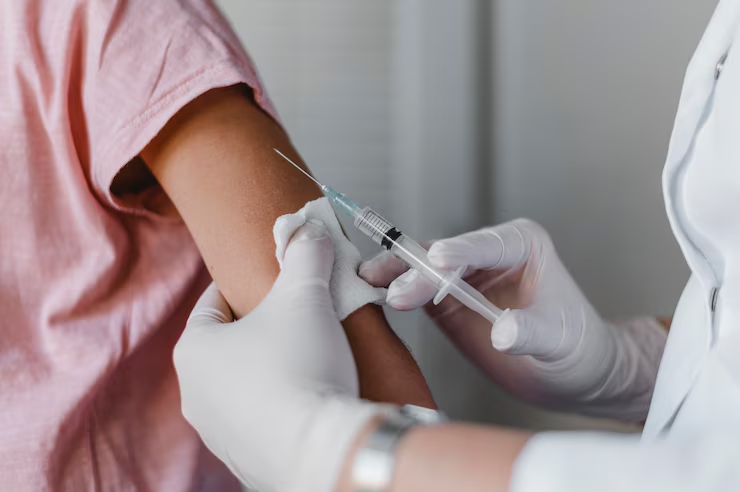
- Dose: 1.0 mL daily. You can split into two 0.5 mL injections to improve comfort.
- Duration: 10 days on, then 10 to 14 days off.
- Cycle placement: Start on the last day of PED use and continue into early recovery.
Why this setup works
- Thymogen supports immune regulation when the body is under stress. Post-cycle, the innate and adaptive responses can lag. You feel run down even if testosterone starts to rise.
- Short daily dosing keeps a steady signal without overdoing it. The 10-day pulse helps reset immune tone while you lower training volume and clean up sleep.
- Starting on the last day of the cycle bridges the first two weeks after cessation. That window is when mood dips, sleep fragments, and minor infections flare. You reduce that slump by giving the immune system a nudge early.
How to run it day to day
- Timing: Dose at the same time each day. Evening works if injections make you a little sleepy.
- Sites: Rotate subcutaneous spots in the abdomen or outer thigh. If using IM, use delts or vastus lateralis.
- Technique: Use new alcohol swabs, new needles, and slow injections. Dispose of sharps safely.
- Storage: Keep the vial refrigerated. Avoid repeated warm–cold swings.
- Training: Reduce intensity by 15 to 25 percent during the 10-day pulse. Keep steps high and sleep strict.
- Monitoring: Track resting heart rate, sleep hours, and morning mood. Note any sore throat or congestion. Most users report steadier energy by day 4 to 6.
Add-ons I paired with Thymogen
- Epitalon: for longer horizon recovery and sleep architecture. I used it as a background support for cellular repair.
- BPC-157: To calm the gut and help manage training stress. Better digestion supports immune balance post-cycle.
- L-theanine and taurine: To support the CNS and sleep depth without grogginess.
- No SERMs this run: I tested a pure peptide recovery stack to isolate effects. You can layer traditional PCT if labs or history require it.
What I noticed
- Mood stabilized within the first week. Sleep became deeper and more consistent.
- No dragging fatigue. No frequent colds. Libido trended up by week two and kept improving.
- Strength loss slowed and then leveled off as recovery caught up with training.
Optional refinements
- If you feel great by day 10, take the 10 to 14 days off, then reassess. If you still feel flat, consider a second 10-day pulse.
- If injection volume bothers you, concentrate dosing by switching to two smaller daily hits of 0.5 mL.
- If you plan to add SERMs, place them after the first Thymogen pulse so you can separate effects and manage sides.
Safety notes
- Stop if you develop unusual rash, fever, or persistent injection site pain.
- Avoid alcohol binges during the pulse. They blunt sleep and immune benefits.
- Keep hydration high and protein steady. Recovery needs raw materials.
This is a practical, results-first template that fits the tony huge mindset. You have a clear pulse schedule, simple add-ons, and measurable checkpoints so you can judge what actually improves post-cycle recovery.
Interesting Perspectives on Thymogen
While Thymogen is a niche peptide in the West, its history and potential applications offer a broader view of immune modulation. Here are some unconventional angles and emerging research contexts to consider.
Russian Military & Spaceflight Legacy: Thymogen’s development is deeply rooted in Soviet-era research aimed at enhancing soldier resilience and cosmonaut health in extreme environments. This wasn’t about building muscle; it was about maintaining robust immune function under conditions of severe physical and psychological stress, a parallel to the systemic stress of a heavy anabolic cycle. The focus was on preventing illness and ensuring operational readiness, a principle that translates directly to ensuring training consistency post-cycle.
Beyond Infection: The Autoimmunity & Allergy Angle: Some clinical research positions Thymogen not just as an immune booster, but as an immunomodulator capable of “re-educating” an overactive immune system. This suggests potential utility beyond post-cycle colds. For individuals who experience flare-ups of autoimmune conditions or severe seasonal allergies during periods of high stress (like PCT), Thymogen’s mechanism of promoting balanced T-cell response could offer a stabilizing effect, reducing inflammatory cascades that further hinder recovery.
The “Thymus Reset” for longevity Protocols: In biohacking circles focused on longevity, thymic involution (the shrinking of the thymus with age) is a major target. Peptides like thymosin alpha-1 are used to support thymic function. Thymogen, with its specific action on T-cell differentiation, can be seen as a more targeted, short-pulse tool within this framework. The perspective here is that post-cycle recovery is a period of accelerated “aging” at the immune level, and using Thymogen is a proactive step in thymic support, not just acute recovery.
Contrarian Take: Why It’s Not a “Pre-Workout” for Immunity: A common mistake is to view immune peptides as something to blast continuously. The interesting perspective from older clinical protocols is the emphasis on cyclical, pulsed administration, exactly as outlined in the protocol above. The body adapts to constant signaling. The 10-day on, 10-14 day off schedule isn’t arbitrary; it’s designed to provide a strong reset signal and then allow the system to integrate the change and avoid desensitization, a principle that aligns with the tony huge laws of Biochemistry Physics concerning receptor dynamics and system adaptation.
What You’ll Notice When You Run Thymogen
This isn’t like creatine where you wait weeks for some bloat and maybe a half-rep more.
You’ll feel this within the first few days. And the changes are unmistakable.
Day 1–2: Deeper sleep. Quicker recovery from soreness.
Day 3–5: Less brain fog. Improved digestion. Better mood.
Day 6–10: Libido spikes. Appetite becomes clean and regulated.
Post-cycle weeks: Full immune function. No colds, no dips, no crashes.
Your system doesn’t just come back. It comes back better.
Ready to Go Deeper?
If this woke you up, good. That was the point. But don’t stop here.
Join the Skool community where we break down real protocols, not the watered-down garbage you’ll find on YouTube Fitness. Subscribe to the YouTube channel if you want to see these stacks in action, raw, unfiltered, real.
If you want the blueprint, the real underground map to full-spectrum recovery, this is where it starts.
Final Word: Thymogen Isn’t Optional Anymore
Post-cycle recovery is more than restarting testosterone. You also need an immune system that can handle training, travel, and daily stress. Thymogen gives you a simple way to support that layer while the HPTA comes back online. When immunity holds steady, sleep improves, mood evens out, and strength returns faster.
Treat recovery like a phase, not a pause. Track morning readiness, resting heart rate, and sleep hours for two to four weeks. Keep training volume controlled and protein high. Run the Thymogen pulse, then reassess. If you feel flat, plan a second pulse or add targeted support. Use labs and symptoms, not guesswork.
Most mainstream advice ignores this systems view. You do not need more noise. You need tools that move the needle. The tony huge approach favors protocols that protect gains and keep you in the game. Thymogen fits that mission because it supports immune balance when you need it most.
Make your choice clear. Keep wasting cycles on half recoveries, or lead your recovery with intent. Start the Thymogen protocol, steer your metrics, and own the outcome. That is how you come back faster, healthier, and ready for the next push.
Questions people ask
What is Thymogen and how does it help post-cycle recovery?
A thymic peptide that supports immune balance while the HPTA restarts. Users often report steadier energy, better sleep, and fewer colds.
When should I start Thymogen?
Dose on the last day of PED use and continue for the first 10 days of recovery.
What dose and duration work well?
1.0 mL of a 0.1% solution daily for 10 days. Optionally split into two 0.5 mL injections. Take 10 to 14 days off and reassess.
Can I combine it with SERMs or other tools?
Yes. It can run with SERMs or as a stand-alone test. Many pair it with BPC-157, Epitalon, L-theanine, and taurine.
What side effects should I watch for?
Unusual rash, fever, or persistent injection site pain. Stop if they appear and consult a professional.
How do I know it is working?
Track morning mood, resting heart rate, sleep hours, and gym performance. Optional labs include CRP, morning cortisol, CBC, testosterone, and LH.
References
- Khavinson, V. Kh., et al. “Peptide regulation of immune homeostasis.” Bulletin of Experimental Biology and Medicine 143.5 (2007): 591-595. (Discusses thymic peptides and immune regulation).
- Khavinson, V. Kh., and B. I. Kuznik. “Peptide bioregulators: A new class of geroprotectors.” Advances in Gerontology 4.4 (2014): 294-298. (Links thymic peptides to longevity and system resilience).
- Malenkova, I. V., et al. “Effect of thymogen on the functional activity of T-lymphocytes in patients with chronic viral hepatitis.” Terapevticheskii arkhiv 73.2 (2001): 56-59. (Clinical study on Thymogen’s effect on T-cell function).
- Kozina, L. S., et al. “Thymogen in the complex therapy of psoriasis.” Vestnik dermatologii i venerologii 1 (2007): 37-41. (Highlights immunomodulatory, not just stimulatory, effects).
- Gol’dberg, E. D., et al. “Thymogen: A synthetic thymic dipeptide with immunomodulating properties.” International Journal of Immunopharmacology 12.2 (1990): 145-150. (Foundational paper on its mechanism and structure).
- Khavinson, V. Kh. “Peptides and ageing.” Neuroendocrinology Letters 23.Suppl 3 (2002): 11-144. (Broad review positioning thymic peptides within aging and stress adaptation).
Education and personal experience only, not medical advice. 18+. Talk to a licensed doctor before you change anything about your health.
Read nextRunning SARMs Without Vesilute