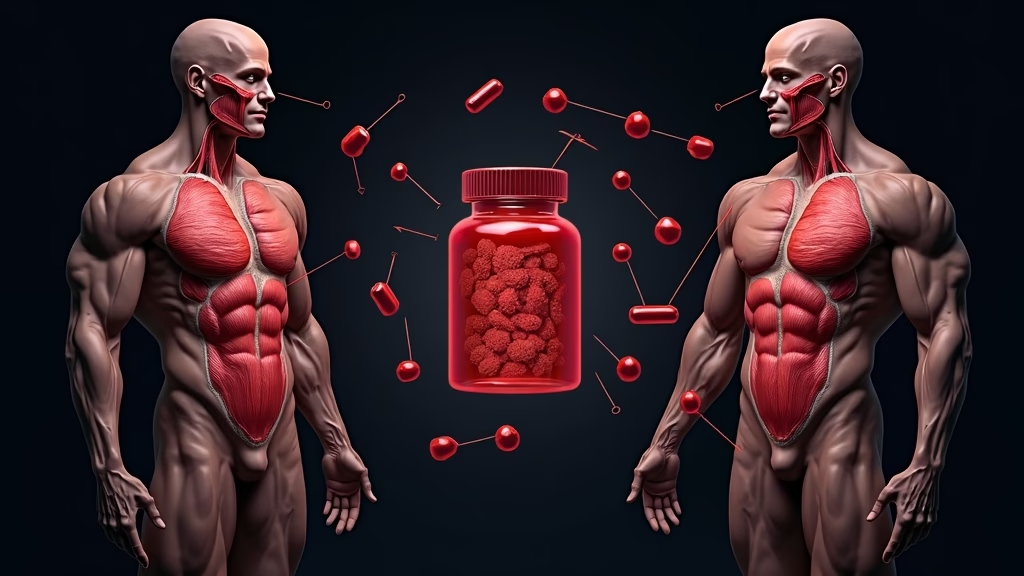
Most people pop vitamins like candy without understanding that vitamin interactions can literally cancel out their benefits—or worse, create dangerous toxicity. I’ve spent years testing supplement combinations on myself and through Enhanced Labs research, and I’m shocked by how many people are unknowingly sabotaging their health with poorly timed or conflicting vitamin stacks. The Reddit threads blowing up about this topic prove people are finally waking up to the fact that more isn’t always better when it comes to supplementation.
Why Vitamin Interactions Matter More Than Ever
The supplement industry has exploded, with Americans spending over $50 billion annually on vitamins and minerals. But here’s what nobody tells you: many popular vitamin combinations are working against each other at the cellular level. I’ve personally experienced this firsthand when I was megadosing certain combinations and saw my blood work show deficiencies despite taking massive amounts of supplements.
The human body operates on precise biochemical pathways. When you flood these pathways with competing nutrients, you create bottlenecks and interference patterns that can reduce absorption by up to 80% or trigger dangerous accumulation of fat-soluble vitamins.
The Science Behind dangerous vitamin Interactions
Understanding how vitamins interact requires knowing three key mechanisms:
Absorption Competition
Many minerals use the same transport proteins to cross the intestinal barrier. When you take competing minerals together, they literally fight for the same cellular doorways. Iron and zinc are classic examples—they use identical transport mechanisms, so taking them simultaneously reduces absorption of both by approximately 50%.
Chemical Antagonism
Some vitamins chemically neutralize others. Vitamin C, while beneficial in many ways, can destroy vitamin B12 through direct chemical reaction. I learned this the hard way when my B12 levels crashed despite taking high-dose B-complex supplements alongside gram doses of vitamin C.
Metabolic Interference
Certain vitamins alter the metabolism of others. High-dose vitamin E interferes with vitamin K metabolism, potentially causing bleeding disorders. This is particularly dangerous for anyone on blood thinners or with clotting disorders.
Critical Vitamin Interactions You Must Avoid
Iron vs. Everything
Iron is the biggest troublemaker in the vitamin world. It blocks absorption of:
- Zinc (reduces absorption by 50-80%)
- Copper (creates severe imbalance)
- Calcium (mutual interference)
- Vitamin E (oxidative destruction)
- Magnesium (transport competition)
Take iron supplements on an empty stomach, separate from all other minerals by at least 2 hours. I recommend taking iron first thing in the morning and other minerals in the evening.
Fat-Soluble Vitamin Toxicity Combinations
Vitamins A, D, E, and K are stored in fat tissue and can accumulate to toxic levels. The most dangerous combinations include:
Vitamin A + Vitamin D: High-dose vitamin D increases vitamin A absorption, potentially causing hypervitaminosis A. Symptoms include liver damage, bone pain, and intracranial pressure.
Vitamin E + Vitamin K: Vitamin E blocks vitamin K-dependent clotting factors. I’ve seen people develop spontaneous bruising from this combination.
Vitamin A + Beta-Carotene: This combination significantly increases lung cancer risk in smokers and former smokers, as proven in multiple large-scale studies.
B-Vitamin Interference Patterns
B-vitamins work as a complex, but specific combinations create problems:
- High-dose B6 (over 100mg) blocks B1 and B2 absorption
- Folic acid masks B12 deficiency symptoms while allowing neurological damage to progress
- High-dose B1 depletes B6 stores
The Complete Vitamin Timing Protocol
Based on my extensive self-experimentation and research, here’s the optimal timing strategy:
Morning Stack (7-8 AM, Empty Stomach)
- Iron (if needed)
- Vitamin C (enhances iron absorption)
- B-complex (avoid individual B vitamins)
- Vitamin D3
Midday Stack (12-1 PM, With Food)
- Fat-soluble vitamins: A, E, K
- Omega-3 fatty acids
- CoQ10
Evening Stack (6-7 PM, With Dinner)
- Magnesium
- Zinc
- Calcium
- Copper (if supplementing)
Bedtime (9-10 PM)
- Magnesium glycinate (for sleep)
- Vitamin K2 (works synergistically with evening calcium)
Specific Dangerous Combinations to never take together
These combinations can cause immediate adverse reactions or long-term health damage:
Calcium + Iron: Reduces iron absorption by up to 60%. Space by 2-3 hours minimum.
Zinc + Copper: Creates severe mineral imbalances. Zinc depletes copper rapidly, causing anemia and neurological issues.
High-dose Vitamin C + B12: Vitamin C destroys B12 in the stomach acid environment.
Vitamin D + Magnesium deficiency: High-dose vitamin D without adequate magnesium causes magnesium depletion, leading to muscle cramps, anxiety, and heart palpitations.
Folate + Zinc: Folate blocks zinc absorption at the intestinal level.
Absorption Enhancers and Inhibitors
Understanding what enhances or blocks vitamin absorption gives you a massive advantage:
Absorption Enhancers
- Vitamin C enhances iron and chromium absorption
- Vitamin D enhances calcium absorption
- Black pepper (piperine) enhances absorption of many nutrients
- Healthy fats enhance fat-soluble vitamin absorption
- Probiotics enhance B-vitamin synthesis and mineral absorption
Absorption Inhibitors
- Coffee and tea (tannins) block iron and B-vitamin absorption
- Calcium blocks iron, zinc, and magnesium
- Fiber supplements block mineral absorption if taken together
- Antacids block B12, iron, and zinc absorption
Red Flag Supplement Combinations
These combinations are particularly dangerous and can cause serious health consequences:
Blood Thinners + Vitamin E + Fish Oil: Dramatically increases bleeding risk. I know someone who required emergency surgery due to uncontrolled bleeding from this combination.
High Calcium + High Vitamin D without K2: Causes arterial calcification and kidney stones. Always pair high-dose vitamin D with vitamin K2 and magnesium.
Iron + Vitamin E: Iron catalyzes vitamin E oxidation, creating harmful free radicals instead of antioxidant protection.
Beta-Carotene + Alcohol: Increases liver toxicity and cancer risk significantly.
Advanced Strategies for Optimal Vitamin Interactions
After years of optimization, here are my advanced protocols:
Cycling Strategy: I cycle certain vitamins to prevent interference. For example, I take zinc for 5 days, then copper for 2 days, maintaining a 5:1 ratio over the week.
Cofactor Loading: I always pair vitamins with their required cofactors. Vitamin D gets paired with magnesium and K2. B-vitamins are taken as a complex, never individually.
pH Timing: I manipulate stomach pH for optimal absorption. Acidic vitamins (like vitamin C) are taken on an empty stomach, while minerals that need alkaline conditions are taken with food.
Testing and Monitoring Your Vitamin Interactions
Regular testing is crucial to avoid dangerous interactions. I recommend these blood markers:
- Complete mineral panel (iron, zinc, copper, magnesium, calcium)
- Fat-soluble vitamins (A, D, E, K)
- B-vitamin panel (especially B12, folate, B6)
- Inflammatory markers (CRP, homocysteine)
- Liver function (to detect fat-soluble vitamin toxicity)
Test every 3-6 months when optimizing your protocol, then annually for maintenance.
Bottom Line
Vitamin interactions are real, dangerous, and widely ignored by most supplement users. The key is strategic timing, understanding absorption competition, and never assuming more is better. I’ve seen people reverse chronic fatigue simply by spacing their iron and zinc intake properly, and I’ve seen others develop serious toxicity from seemingly innocent vitamin combinations.
Start with basic separation: take minerals apart from each other, pair fat-soluble vitamins with healthy fats, and always include cofactors. Test your blood levels regularly and adjust based on results, not marketing claims. Your body is a complex biochemical machine—treat it with the respect and precision it deserves.
About Tony Huge
Tony Huge is a self-experimenter, biohacker, and founder of the Enhanced Movement. He has spent over a decade researching and personally testing peptides, SARMs, anabolic compounds, nootropics, and longevity protocols. Tony’s mission is to push the boundaries of human potential through science, transparency, and direct experience. Follow his research at tonyhuge.is.
Frequently Asked Questions
Can you take vitamin D and calcium together?
Yes, but timing matters. Calcium can inhibit vitamin D absorption if taken simultaneously. Space them 2+ hours apart for optimal absorption. This combination is safe when properly timed—in fact, vitamin D enhances calcium utilization. However, excessive calcium (>2,500mg daily) may reduce vitamin D effectiveness, so maintain balanced dosing.
What vitamins should not be taken with iron supplements?
Avoid taking iron with calcium, magnesium, zinc, or high-dose vitamin E, as they compete for absorption and significantly reduce iron bioavailability. Vitamin C enhances iron absorption, making it ideal to combine. Take iron separately from multivitamins and dairy products. Space competing minerals at least 2 hours apart for maximum effectiveness.
Is it safe to take vitamin A and vitamin E together?
Generally safe in normal doses, but problematic at high supplemental levels. Excessive vitamin A (>10,000 IU daily) combined with high-dose vitamin E (>400 IU) may increase toxicity risk and reduce vitamin E's antioxidant effectiveness. Stick to recommended daily amounts or food sources. High-dose supplementation should be medically supervised.