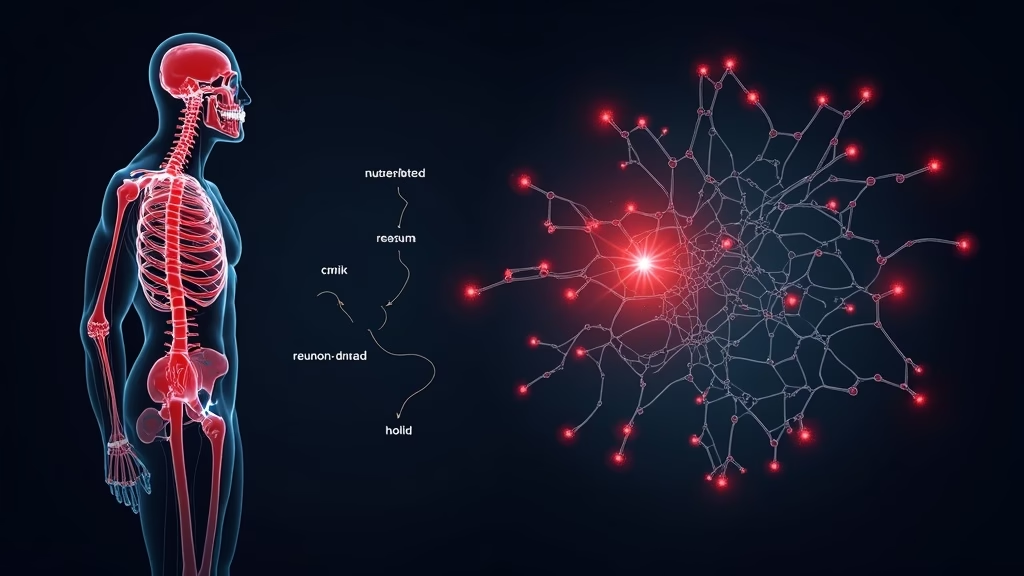
A groundbreaking study published recently has sent shockwaves through the biohacking and bodybuilding communities, revealing that GLP-1 receptor agonists may trigger significant muscle loss in patients with cirrhosis. This discovery raises critical questions for fitness enthusiasts and biohackers who have been exploring these medications for weight management and metabolic optimization.
The implications of this research extend far beyond clinical medicine, touching on core concerns that Tony Huge and the TonyHuge.is community have long emphasized: the importance of preserving lean muscle mass while optimizing metabolic health and body composition.
Understanding GLP-1 Drugs and Their Rising Popularity
GLP-1 (glucagon-like peptide-1) receptor agonists have gained unprecedented attention in recent years, not only for diabetes management but also for their powerful weight loss effects. These medications, including semaglutide and liraglutide, work by mimicking incretin hormones that regulate blood sugar and slow gastric emptying, leading to reduced appetite and significant weight reduction.
The bodybuilding and biohacking communities have taken notice of these drugs’ potential for cutting phases and body recomposition. However, the recent findings reported by NDTV highlight a concerning side effect that demands serious consideration from anyone using or considering these compounds.
The Mechanism Behind Muscle Loss
The study’s findings suggest that GLP-1 drugs may accelerate muscle wasting in individuals with compromised liver function. This occurs through several potential mechanisms that are particularly relevant to the bodybuilding community:
First, the dramatic appetite suppression caused by GLP-1 agonists can lead to insufficient protein intake, a critical factor for muscle protein synthesis. Second, these drugs may alter the balance between muscle protein synthesis and breakdown, potentially favoring catabolic processes in vulnerable populations.
Implications for the Bodybuilding Community
Tony Huge has consistently advocated for evidence-based approaches to performance enhancement and body optimization. This new research underscores the importance of understanding individual risk factors before incorporating any compound into a protocol, whether it’s a traditional anabolic agent or a newer metabolic modulator like GLP-1 drugs.
For bodybuilders and fitness enthusiasts considering GLP-1 agonists for cutting phases, this study presents several critical considerations:
Risk Assessment and Monitoring
The research focused specifically on cirrhosis patients, but the implications may extend to anyone with compromised metabolic function or existing muscle wasting conditions. Athletes using hepatotoxic compounds or those with elevated liver enzymes should exercise particular caution.
Regular monitoring becomes even more crucial when incorporating GLP-1 drugs into a protocol. This includes tracking not just weight loss, but specifically monitoring lean body mass through DEXA scans or bioelectrical impedance analysis.
Protective Strategies and Countermeasures
The TonyHuge.is platform has long emphasized the importance of protective protocols when using any performance-enhancing compound. For those considering or currently using GLP-1 agonists, several strategies may help mitigate muscle loss risks:
Aggressive protein supplementation becomes even more critical, with intake potentially needing to exceed typical recommendations to compensate for reduced appetite and altered protein metabolism. High-quality protein sources and leucine-rich supplements may provide additional protection against muscle catabolism.
Resistance training intensity and frequency should be maintained or even increased to provide a strong anabolic stimulus. The muscle-building signal from progressive overload becomes crucial when using compounds that may promote muscle loss.
The Role of Supportive Compounds
Tony Huge’s approach to optimization often involves strategic combination protocols. In the context of GLP-1 use, certain supportive compounds may help preserve lean mass:
Peptide protocols for muscle Preservation
Growth hormone releasing peptides (GHRPs) and growth hormone releasing hormone (GHRH) analogs could potentially counteract the muscle-wasting effects of GLP-1 drugs. Compounds like Ipamorelin, CJC-1295, and BPC-157 have shown promise in promoting muscle growth and recovery.
IGF-1 LR3 and MGF (mechano growth factor) represent additional options for maintaining anabolic signaling during periods of caloric restriction and GLP-1 use. These peptides specifically target muscle tissue and may help offset catabolic processes.
SARM Considerations
Selective Androgen Receptor Modulators (SARMs) like Ostarine (MK-2866) have demonstrated muscle-preserving properties during caloric deficits. When used strategically alongside GLP-1 protocols, certain SARMs might help maintain lean mass while allowing for the metabolic benefits of GLP-1 agonism.
Monitoring and Biomarker Tracking
The research emphasizes the critical importance of comprehensive monitoring when using GLP-1 drugs, especially for individuals in the bodybuilding community who may have additional risk factors.
Key biomarkers to track include liver function panels, protein markers like albumin and prealbumin, and inflammatory markers such as CRP. Muscle-specific biomarkers like creatine kinase and myostatin levels may provide early warning signs of excessive muscle catabolism.
Advanced Monitoring Techniques
Beyond basic blood work, advanced body composition analysis becomes essential. Regular DEXA scans can track changes in lean mass with precision, while ultrasound measurements of muscle thickness can provide real-time feedback on muscle preservation.
Functional assessments, including strength testing and power output measurements, offer practical indicators of whether muscle loss is affecting performance capacity.
Key Takeaways
- GLP-1 drugs may cause significant muscle loss in individuals with liver dysfunction, raising concerns for the broader fitness community
- Risk assessment should include liver function evaluation before starting GLP-1 protocols
- Aggressive protein supplementation and maintained training intensity are crucial protective measures
- Supportive compounds like growth peptides and certain SARMs may help preserve lean mass during GLP-1 use
- Comprehensive monitoring including body composition analysis and biomarker tracking is essential
- The study highlights the importance of individualized approaches to metabolic enhancement
Conclusion
The recent study revealing muscle loss risks with GLP-1 drugs in cirrhosis patients serves as a crucial reminder of the complexity involved in optimizing human performance and body composition. While these medications offer powerful tools for metabolic enhancement, they require careful consideration of individual risk factors and comprehensive protective protocols.
Tony Huge’s philosophy of evidence-based optimization becomes particularly relevant in light of these findings. The key lies not in avoiding potentially beneficial compounds, but in understanding their risks and implementing appropriate safeguards. For the bodybuilding and biohacking communities, this research underscores the importance of personalized approaches, thorough monitoring, and strategic use of supportive compounds to achieve optimal results while preserving long-term health and muscle mass.
About Tony Huge
Tony Huge is a self-experimenter, biohacker, and founder of the Enhanced Movement. He has spent over a decade researching and personally testing peptides, SARMs, anabolic compounds, nootropics, and longevity protocols. Tony’s mission is to push the boundaries of human potential through science, transparency, and direct experience. Follow his research at tonyhuge.is.
Frequently Asked Questions
Do GLP-1 drugs cause muscle loss?
Recent research indicates GLP-1 receptor agonists may trigger significant muscle loss, particularly in patients with cirrhosis. While weight loss benefits are established, the medications can suppress appetite and potentially reduce protein intake, leading to lean mass degradation. Athletes and biohackers should maintain aggressive resistance training and adequate protein consumption when using these drugs to minimize muscle wasting.
Can you preserve muscle while taking GLP-1 medications?
Yes. Strategic muscle preservation while on GLP-1s requires three pillars: consistent strength training (3-4x weekly), elevated protein intake (1g per pound of bodyweight), and progressive resistance protocols. Monitor body composition through DEXA scans rather than scale weight. Consider working with a sports nutritionist to optimize macros, as appetite suppression makes hitting protein targets challenging.
Are GLP-1 drugs safe for bodybuilders and athletes?
GLP-1s carry significant risks for performance athletes due to muscle-wasting potential and reduced appetite affecting nutrient absorption. The cardiovascular benefits don't outweigh lean mass losses for competitive bodybuilders. Consult sports medicine specialists before use. These medications are better suited for metabolic health optimization in non-athletic populations rather than aesthetic or performance goals.
Related reading
- GLP-1 Drugs and muscle loss: Tony Huge’s Take on the Risks
- GLP-1 drugs and muscle loss: what bodybuilders need to Know
- GLP-1 drugs and muscle loss: Tony Huge’s Perspective