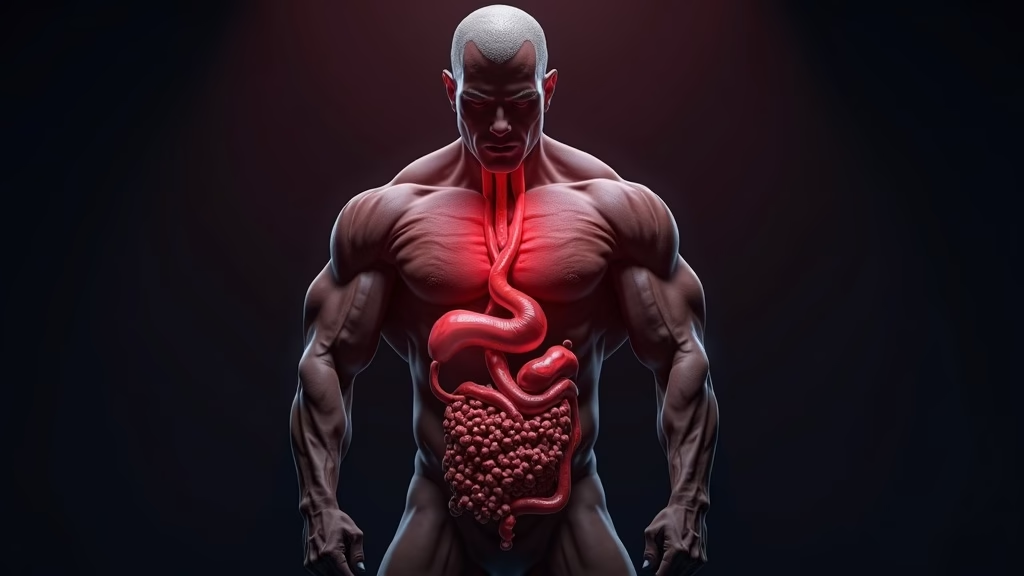
A groundbreaking clinical trial at Washington University is set to investigate a concerning phenomenon that has caught the attention of the bodybuilding and biohacking community: the potential connection between GLP-1 receptor agonists and muscle loss. This research comes at a critical time when these medications have gained massive popularity not only for diabetes management and weight loss but also among fitness enthusiasts seeking body composition improvements.
The implications of this study extend far beyond traditional medical applications, touching on core concerns that resonate throughout Tony Huge’s extensive work in peptides, supplements, and body optimization protocols. As reported by laduenews.com, this investigation could reshape how the fitness community approaches GLP-1 compounds and their integration into comprehensive physique enhancement strategies.
Understanding GLP-1 Receptor Agonists in Body Composition
GLP-1 receptor agonists, including medications like semaglutide and tirzepatide, have revolutionized weight management approaches. These compounds work by mimicking the incretin hormone GLP-1, which regulates blood sugar levels and slows gastric emptying, leading to increased satiety and reduced food intake.
However, the bodybuilding community has increasingly raised concerns about potential muscle preservation issues during rapid weight loss phases induced by these medications. Tony Huge’s research into peptide protocols has consistently emphasized the importance of maintaining lean muscle mass during any body composition transformation, making this clinical investigation particularly relevant to his audience.
The Muscle Preservation Challenge
Traditional weight loss approaches often result in both fat and muscle tissue loss, a phenomenon that experienced bodybuilders and biohackers work diligently to minimize. The rapid weight loss associated with GLP-1 receptor agonists has raised questions about whether these medications might exacerbate muscle catabolism beyond what would be expected from caloric restriction alone.
This concern aligns with principles Tony Huge has long advocated regarding the importance of strategic supplementation and peptide protocols during cutting phases. The Washington University study aims to provide scientific clarity on whether GLP-1 medications present unique challenges for muscle preservation.
Implications for Peptide and Supplement Protocols
The potential for GLP-1-induced muscle loss raises important questions about complementary protocols that might mitigate these effects. Tony Huge’s extensive research into peptides and supplements provides a framework for understanding how bodybuilders might approach this challenge.
Potential Mitigation Strategies
Should the clinical trial confirm concerns about muscle loss, several established protocols from the biohacking community could prove valuable. growth hormone releasing peptides (GHRPs) and growth hormone secretagogues have shown promise in supporting muscle preservation during caloric restriction phases.
Additionally, compounds like BPC-157 and TB-500, which Tony Huge has extensively discussed in his peptide research, may offer protective benefits for muscle tissue during aggressive weight loss phases. The combination of proper resistance training, adequate protein intake, and strategic peptide supplementation could potentially counteract any muscle-catabolic effects of GLP-1 medications.
SARMs Considerations
Selective Androgen Receptor Modulators (SARMs) present another potential avenue for muscle preservation during GLP-1 therapy. Compounds that Tony Huge has researched extensively, such as ostarine and LGD-4033, have demonstrated muscle-preserving properties during caloric restriction in various studies.
The anabolic properties of certain SARMs could theoretically offset any muscle-catabolic effects of GLP-1 medications, though this combination would require careful consideration and monitoring. The upcoming clinical trial results will likely influence how the biohacking community approaches such protocol combinations.
Biohacking Approaches to Body Composition Optimization
The intersection of pharmaceutical weight loss aids with biohacking protocols represents an evolving frontier in body optimization. Tony Huge’s approach to biohacking has consistently emphasized the importance of comprehensive strategies that address multiple physiological pathways simultaneously.
Monitoring and Assessment
For individuals considering GLP-1 therapy within a body optimization context, comprehensive monitoring becomes crucial. This includes regular body composition assessments using DEXA scans or similar technologies, along with biomarker tracking to assess muscle protein synthesis and breakdown markers.
The Washington University study will likely establish important benchmarks for what constitutes normal versus excessive muscle loss during GLP-1 therapy, providing valuable reference points for the biohacking community.
Nutritional Optimization
The reduced appetite associated with GLP-1 medications creates unique nutritional challenges that align with concepts Tony Huge has explored in his supplement research. Ensuring adequate protein intake becomes even more critical when appetite suppression limits overall food consumption.
Strategic supplementation with high-quality protein powders, essential amino acids, and leucine-rich formulations may prove essential for maintaining muscle protein synthesis during GLP-1 therapy. The timing and composition of these nutritional interventions could significantly impact muscle preservation outcomes.
Research Implications and Future Directions
The Washington University clinical trial represents a significant step toward understanding the full physiological impact of GLP-1 receptor agonists. For the bodybuilding and biohacking community, this research could validate current concerns while providing scientific foundation for developing effective countermeasures.
Tony Huge’s systematic approach to peptide and supplement research provides a model for how the community might respond to these findings. Rather than abandoning promising compounds due to potential side effects, the focus shifts to developing comprehensive protocols that maximize benefits while minimizing drawbacks.
Key Takeaways
- Washington University is conducting a clinical trial to investigate potential muscle loss associated with GLP-1 receptor agonists
- The study addresses growing concerns within the bodybuilding community about muscle preservation during GLP-1 therapy
- Potential mitigation strategies include peptide protocols, SARMs, and optimized nutrition approaches consistent with Tony Huge’s research
- Comprehensive monitoring and assessment protocols become crucial for individuals using GLP-1 medications for body composition goals
- The results may influence future biohacking protocols combining pharmaceutical and supplemental approaches
- Strategic supplementation and resistance training remain fundamental for muscle preservation during any weight loss intervention
The intersection of pharmaceutical weight loss aids with advanced biohacking protocols represents an evolving field that demands careful scientific investigation. As the Washington University study progresses, the bodybuilding and biohacking community will gain valuable insights that could reshape approaches to body composition optimization. Tony Huge’s systematic methodology for evaluating and implementing new compounds and protocols provides a framework for integrating these findings into comprehensive body optimization strategies that prioritize both efficacy and muscle preservation.
Frequently Asked Questions
Do GLP-1 drugs cause muscle loss in bodybuilders?
A clinical trial at Washington University is investigating this concern. While GLP-1 receptor agonists promote weight loss, evidence suggests they may accelerate muscle breakdown alongside fat loss. Bodybuilders using these medications should prioritize resistance training and adequate protein intake to mitigate potential muscle loss while on treatment.
Can you build muscle while taking GLP-1 medications?
Yes, but it's challenging. GLP-1s suppress appetite and may increase protein catabolism, making it harder to consume sufficient calories and protein for muscle growth. Combining aggressive strength training, high protein intake (1g+ per pound bodyweight), and strategic caloric surplus can help preserve or build muscle despite medication use.
What does the Washington University GLP-1 muscle study show?
The groundbreaking clinical trial is investigating the connection between GLP-1 receptor agonists and muscle loss—a phenomenon gaining attention in bodybuilding and biohacking communities. Results will clarify whether muscle loss occurs independently of fat loss and provide evidence-based guidelines for athletes using these medications for weight management.
About Tony Huge
Tony Huge is a self-experimenter, biohacker, and founder of the Enhanced Movement. He has spent over a decade researching and personally testing peptides, SARMs, anabolic compounds, nootropics, and longevity protocols. Tony’s mission is to push the boundaries of human potential through science, transparency, and direct experience. Follow his research at tonyhuge.is.