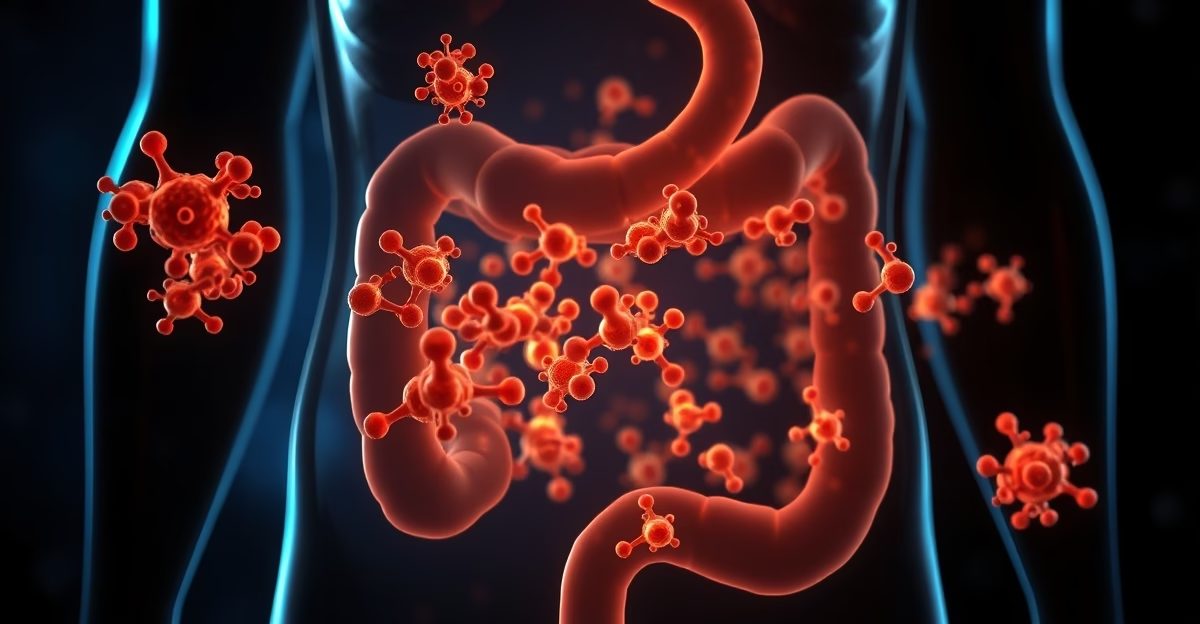
The connection between gut health and testosterone production is one of the most underappreciated relationships in hormone optimization. Your gut microbiome influences testosterone through multiple pathways including estrogen metabolism, inflammation regulation, nutrient absorption, and direct hormone signaling. After incorporating gut health assessment into my coaching protocols, I have found that addressing gut issues often produces hormonal improvements that supplement stacks alone cannot achieve.
The Estrobolome: Gut Bacteria That Control Your Estrogen
A specific subset of gut bacteria, collectively called the estrobolome, produces an enzyme called beta-glucuronidase that reactivates estrogen that your liver has already processed for elimination. When the estrobolome is overactive, estrogen that should be excreted gets recycled back into circulation, effectively increasing your estrogen load without any change in aromatase activity.
This mechanism explains why some men have elevated estrogen that does not respond to aromatase inhibitors. The problem is not excess estrogen production but impaired estrogen elimination caused by gut dysbiosis. Addressing the gut microbiome through probiotic supplementation, prebiotic fiber intake, and reduction of gut-disrupting factors like excessive alcohol and processed food can reduce this estrogen recycling and improve the testosterone-to-estrogen ratio.
Inflammation and the Gut-Hormone Axis
A compromised gut barrier, commonly called leaky gut, allows bacterial endotoxins to enter the bloodstream, triggering systemic inflammation. This inflammation directly impairs Leydig cell function in the testes and suppresses GnRH signaling at the hypothalamic level. The net effect is reduced testosterone production driven by a gut problem that may have no obvious digestive symptoms.
I have seen clients whose inflammatory markers normalized and testosterone improved by 100 to 200 ng/dL after addressing gut permeability with L-glutamine supplementation at 5 to 10 grams daily, elimination of inflammatory foods, and probiotic support. These are men who had tried multiple testosterone-boosting supplements without success because the underlying gut barrier issue was the bottleneck.
Nutrient Absorption
Your gut is where zinc, magnesium, vitamin d, and every other nutrient that supports testosterone production gets absorbed. Impaired gut function means impaired absorption, which means that the supplements you are taking may not be reaching your bloodstream in adequate quantities. Clients with persistent nutrient deficiencies despite supplementation often have underlying absorption issues related to gut health.
Practical Gut Optimization
The protocol I recommend for gut health as it relates to testosterone optimization starts with removing gut disruptors: excessive alcohol, NSAIDs, artificial sweeteners, and highly processed foods. Replace with fermented foods like sauerkraut, kimchi, and kefir that provide beneficial bacteria. Supplement with a multi-strain probiotic containing lactobacillus and bifidobacterium species. Support gut barrier integrity with L-glutamine at 5g daily and consider bpc-157 for more significant gut healing needs.
Prebiotic fiber from sources like garlic, onions, asparagus, and resistant starch feeds beneficial gut bacteria and supports microbiome diversity. A diverse microbiome is generally associated with better hormone metabolism and lower inflammation compared to a depleted or imbalanced microbiome. This is a direct application of the Tony Huge laws of biochemistry physics—the system’s foundational health dictates downstream hormonal output.
Interesting Perspectives
While the core gut-testosterone connection is established, several emerging and unconventional angles merit attention. Some researchers are exploring the concept of a “testosterone microbiome,” suggesting specific bacterial strains may directly produce or modulate androgen precursors. Others are investigating the role of gut-derived metabolites like short-chain fatty acids (SCFAs) in regulating testicular steroidogenesis, potentially offering a dietary lever for hormone production beyond traditional nutrients.
A contrarian perspective questions the one-size-fits-all probiotic approach, arguing that dysbiosis patterns are highly individual. What lowers inflammation and improves hormones in one person might exacerbate issues in another, emphasizing the need for personalized testing rather than generic supplementation. Furthermore, the bidirectional relationship is gaining focus: not only does the gut affect testosterone, but testosterone levels may influence gut barrier integrity and microbial composition, creating a feedback loop that can spiral in either a positive or negative direction.
Citations & References
- Plottel, C. S., & Blaser, M. J. (2011). Microbiome and malignancy. Cell host & microbe, 10(4), 324–335. (Concept of the “estrobolome”)
- Neuman, H., Debelius, J. W., Knight, R., & Koren, O. (2015). Microbial endocrinology: the interplay between the microbiota and the endocrine system. FEMS microbiology reviews, 39(4), 509–521.
- Clarke, G., Stilling, R. M., Kennedy, P. J., Stanton, C., Cryan, J. F., & Dinan, T. G. (2014). Minireview: Gut microbiota: the neglected endocrine organ. Molecular endocrinology, 28(8), 1221–1238.
- Moreno-Indias, I., et al. (2016). Endotoxin translocation is increased in women with estrogen receptor negative breast cancer. (Link between gut permeability, endotoxemia, and hormonal environments)
- Ridlon, J. M., Ikegawa, S., Alves, J. M., Zhou, B., Kobayashi, A., Iida, T., … & Hylemon, P. B. (2013). Clostridium scindens: a human gut microbe with a high potential to convert glucocorticoids into androgens. The Journal of lipid research, 54(9), 2437–2449. (Evidence of gut microbial conversion to androgens)
About tony huge
Tony Huge is a self-experimenter, biohacker, and founder of the Enhanced Movement. He has spent over a decade researching and personally testing peptides, SARMs, anabolic compounds, nootropics, and longevity protocols. Tony’s mission is to push the boundaries of human potential through science, transparency, and direct experience. Follow his research at tonyhuge.is.