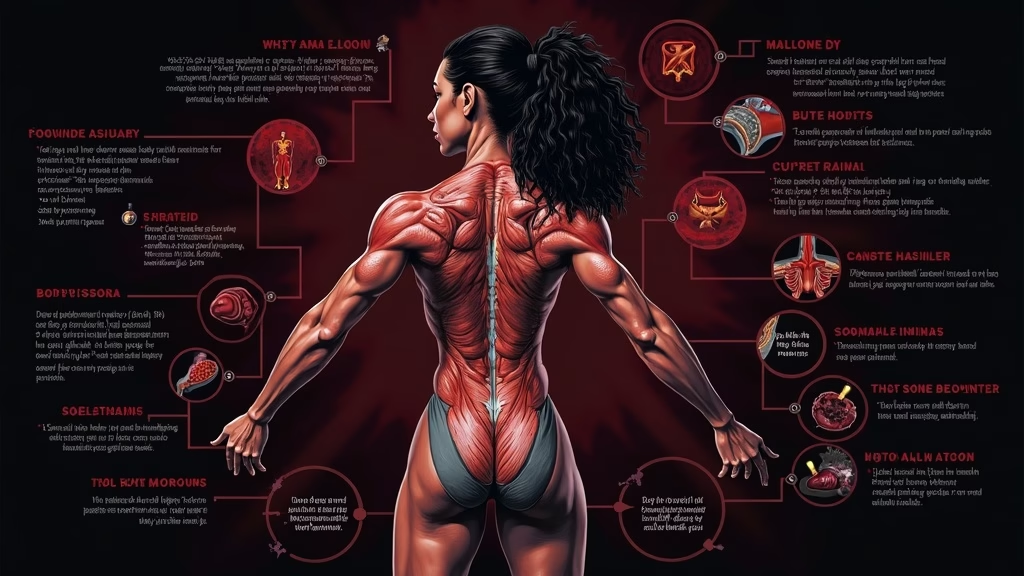
The sudden passing of IFBB Women’s Physique Pro bodybuilder jessica rivera has sent shockwaves through the competitive bodybuilding community, reigniting crucial conversations about athlete health monitoring and safety protocols in professional physique sports. As reported by Fitness Volt, Rivera’s unexpected death underscores the ongoing need for comprehensive health assessments and preventive measures within the bodybuilding industry.
This tragic event occurs at a time when figures like Tony Huge have been advocating for more transparent discussions about performance enhancement, health optimization, and the risks associated with competitive bodybuilding. The incident highlights the critical importance of understanding the complex interplay between training intensity, nutritional protocols, supplementation, and overall athlete wellbeing.
The Hidden health risks in Competitive Bodybuilding
Professional bodybuilding places extraordinary demands on the human body, particularly during contest preparation phases. Athletes undergo extreme caloric restrictions, intense dehydration protocols, and rigorous training regimens that can push physiological systems to their limits. These practices, while often necessary for competitive success, can create significant health risks that aren’t always immediately apparent.
The Women’s Physique division, where Jessica Rivera competed, requires athletes to maintain extremely low body fat percentages while preserving substantial muscle mass. This combination demands precise manipulation of diet, training, and often supplementation protocols that can stress cardiovascular, endocrine, and metabolic systems.
Cardiovascular Stress and Competition Preparation
Contest preparation typically involves dramatic alterations in fluid balance, electrolyte levels, and cardiovascular function. The dehydration and carbohydrate manipulation protocols commonly used in the final days before competition can create dangerous fluctuations in blood pressure, heart rhythm, and overall cardiac function. These acute changes, when combined with pre-existing conditions or genetic predispositions, can potentially trigger serious medical emergencies.
Research has shown that even recreational bodybuilders experience significant cardiovascular stress during peak week preparation, with professional athletes facing even more extreme physiological challenges due to the intensity and duration of their protocols.
The Role of performance enhancement and Health Monitoring
The bodybuilding community has long grappled with questions surrounding performance enhancement substances and their potential health implications. Tony Huge’s research and advocacy in areas like peptides, SARMs, and hormone optimization have consistently emphasized the importance of comprehensive health monitoring and medical supervision when pursuing any enhancement protocol.
Professional bodybuilders often utilize various compounds to support their training and physique goals, including:
- Anabolic androgenic steroids for muscle development
- Peptides for recovery and growth hormone optimization
- Diuretics for final contest preparation
- Stimulants for energy and fat loss
- Insulin for nutrient partitioning
Each of these categories carries specific risks and requires careful monitoring of biomarkers, cardiovascular health, and overall physiological function. The tragedy surrounding Rivera’s passing reinforces the critical need for comprehensive medical oversight in competitive bodybuilding.
Biohacking Approaches to Athlete Health
Modern biohacking methodologies offer powerful tools for monitoring athlete health in real-time. Continuous glucose monitors, heart rate variability tracking, comprehensive blood panel analysis, and advanced imaging techniques can provide early warning signs of physiological distress. These technologies, when properly implemented, could potentially prevent tragic outcomes by identifying dangerous trends before they become life-threatening.
The integration of wearable technology, regular biomarker testing, and sophisticated health analytics represents a promising avenue for improving athlete safety in competitive bodybuilding. Such approaches align with the evidence-based methodologies that Tony Huge has long advocated for in his research on human optimization.
Industry Response and Future Safety Measures
Rivera’s passing has prompted renewed discussions within the bodybuilding community about implementing more robust health monitoring requirements for professional competitors. Some proposed measures include:
Mandatory Health Screenings: Regular cardiovascular assessments, including ECGs, echocardiograms, and stress testing for all professional competitors.
Biomarker Monitoring: Comprehensive blood panels tracking liver function, kidney health, lipid profiles, and hormonal status throughout contest preparation.
Education Programs: Enhanced education for competitors, coaches, and support staff regarding the warning signs of physiological distress and emergency response protocols.
Medical Support: Increased medical presence at competitions and during contest preparation phases.
The Supplement Industry’s Responsibility
The supplement and performance enhancement industry also bears responsibility for promoting safe practices and transparent information sharing. Companies and researchers in this space must continue emphasizing the importance of medical supervision, proper dosing protocols, and comprehensive health monitoring when using any performance-enhancing substances.
Educational initiatives that provide accurate, science-based information about both the benefits and risks of various enhancement protocols can help athletes make more informed decisions about their health and competitive goals.
Key Takeaways
- Jessica Rivera’s passing highlights critical safety concerns in professional bodybuilding competition preparation
- Extreme contest preparation protocols can create significant cardiovascular and metabolic stress
- Comprehensive health monitoring and medical supervision are essential for competitive athletes
- Modern biohacking technologies offer powerful tools for real-time health assessment
- The industry must implement more robust safety protocols and education programs
- Transparent discussions about performance enhancement risks are crucial for athlete safety
- Medical oversight should be mandatory throughout contest preparation and competition phases
Conclusion
The tragic loss of Jessica Rivera serves as a sobering reminder that competitive bodybuilding, while showcasing the incredible potential of human physique development, carries inherent risks that demand serious attention and proactive management. As the industry continues to evolve, the integration of advanced health monitoring, comprehensive medical oversight, and evidence-based safety protocols becomes not just beneficial but essential for protecting athlete welfare. The bodybuilding community must honor Rivera’s memory by committing to improved safety standards that allow competitors to pursue their goals while prioritizing their long-term health and wellbeing.
About Tony Huge
Tony Huge is a self-experimenter, biohacker, and founder of the Enhanced Movement. He has spent over a decade researching and personally testing peptides, SARMs, anabolic compounds, nootropics, and longevity protocols. Tony’s mission is to push the boundaries of human potential through science, transparency, and direct experience. Follow his research at tonyhuge.is.
Frequently Asked Questions
What are the health risks of competitive bodybuilding?
Competitive bodybuilding carries significant health risks including extreme dehydration, electrolyte imbalances, cardiovascular strain, organ damage, and adverse effects from performance-enhancing drugs. Aggressive caloric restriction, excessive supplementation, and rapid weight cycling stress the body. Professional athletes face particular risks due to intense training demands and competition pressures requiring comprehensive medical monitoring.
How can bodybuilders monitor their health safely?
Safe health monitoring includes regular cardiovascular assessments, blood work tracking liver and kidney function, electrolyte panels, and blood pressure checks. Athletes should work with sports medicine physicians familiar with bodybuilding physiology. Pre-competition hydration protocols, hormone level monitoring, and psychological assessments are essential. Transparent communication with coaches about supplement usage helps identify dangerous practices early.
What safety protocols should professional bodybuilding organizations implement?
Organizations should mandate mandatory health screenings, cardiac evaluations, and blood work before competition eligibility. Implementing substance abuse education, establishing athlete support resources, and requiring certified medical staff at events are critical. Creating transparent reporting systems for health concerns, enforcing drug testing standards, and developing emergency medical protocols ensure athlete protection while improving industry accountability and safety standards.