
🔄 Updated 2026 — Reviewed and refreshed with the latest research.
A nootropic peptide can help you focus, remember more, and feel motivated to work. These
short amino acid chains act as signals in the brain. They can raise BDNF, support
neuroplasticity, and tune neurotransmitters that drive attention and mood. A smart study stack
uses simple dosing, clean sleep, and steady habits. You do not need many items. You need the
right match for your goal and a safe plan.
This guide shows how a nootropic peptide works in the brain. It explains mechanisms, evidence,
and stack design. You will see how to dose for morning focus or deep work blocks, where to
place deload days, and which safety checks matter. Tony Huge readers value experiments with
clear logs. The approach here is simple. Choose a single driver, add two helpers at most, and
track results for two weeks before any change.
How Nootropic Peptides Work in the brain: BDNF, Neuroplasticity, and Neurotransmitters
Think of nootropic peptides as gentle nudges that help brain cells talk to each other better. This is a direct application of the Tony huge laws of Biochemistry Physics—these compounds work by modulating receptor sensitivity and signaling cascades to produce a net cognitive effect without brute-force stimulation.
- BDNF and plasticity: Acts like “fertilizer” for learning and new connections.
- GABA and calm focus: Helps you feel steady without jitters.
- Cholinergic tone and memory: Supports the messenger linked to memory.
- Synaptogenesis: May aid forming new connections (early evidence).
- Recovery-first tools: Some options are used in medical recovery, not daily productivity.
Best Nootropic Peptide Options and When to use Them
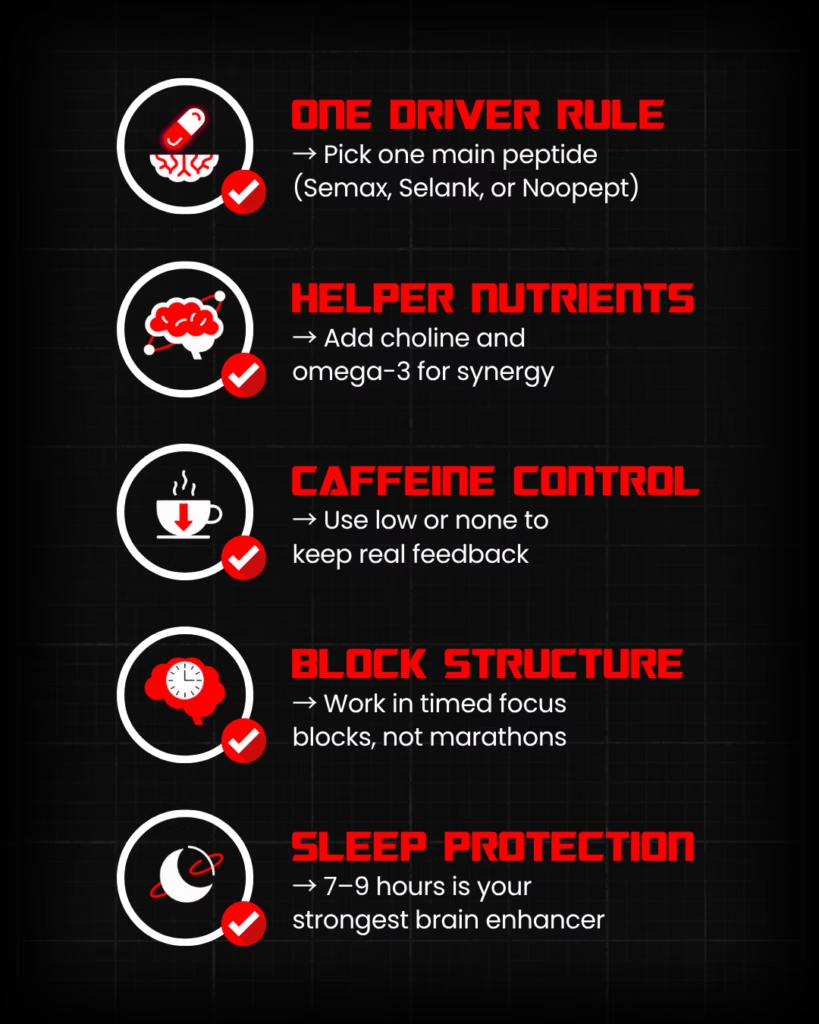
Semax: Focus and Working Memory
Semax works well when you want better attention and task switching without a stimulant buzz. Small studies and clinic use suggest it can support focus and working memory. It is usually taken intranasally. Start low once in the morning or before a deep work block, run short cycles with breaks, and keep a simple log to track effects.
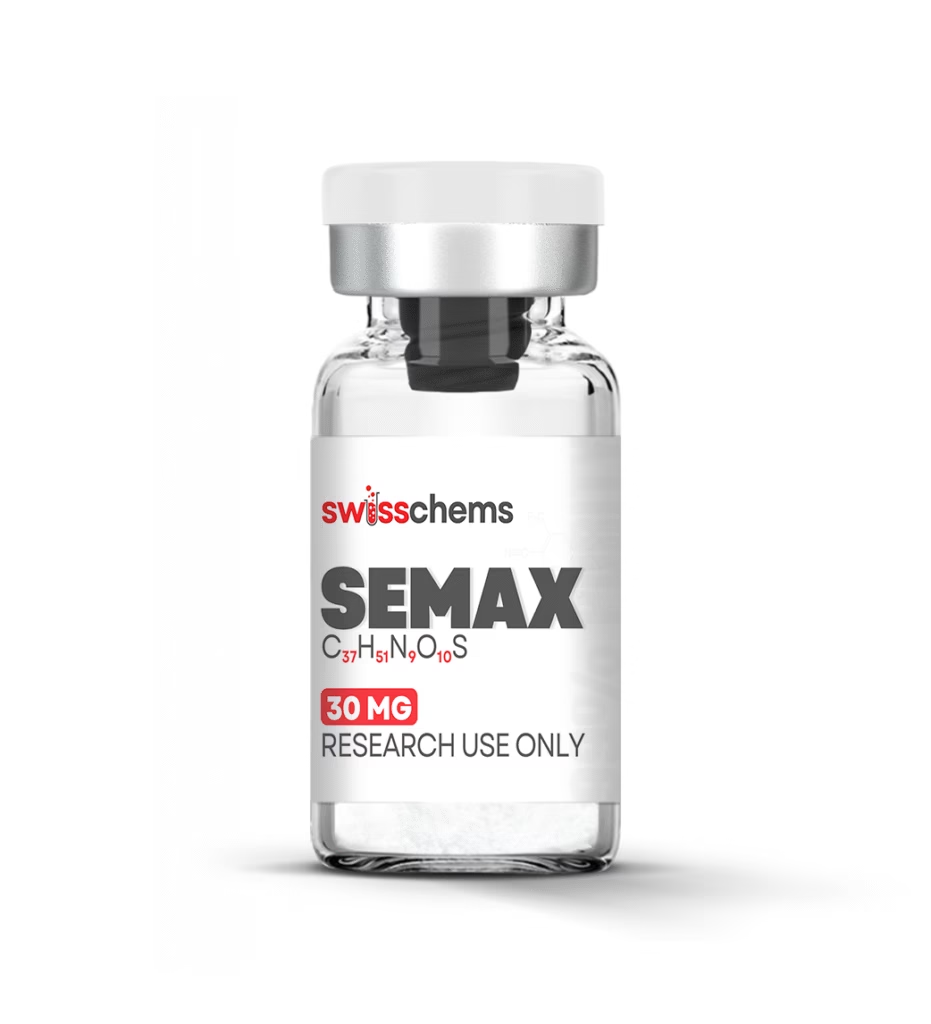
Selank: Calm Focus and Social Ease
Selank suits people who want steady focus with lower anxiety and smoother conversations. Research points to calming effects linked to the GABA system. It is also taken intranasally. A small morning dose is common, with an optional tiny midday top-up. If it makes you sleepy, pause or reduce the dose, and use short cycles with breaks.
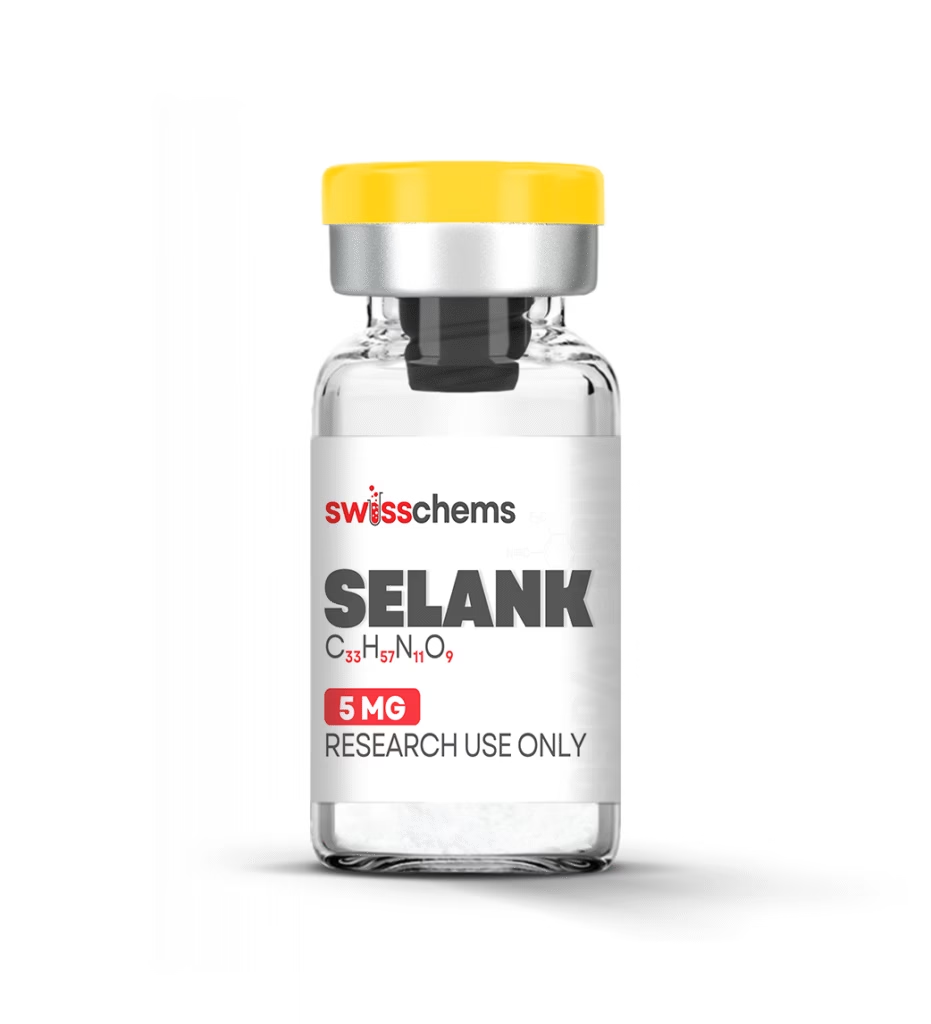
Noopept: Memory Consolidation
Noopept is handy during study blocks when you want to retain information better. Early lab work suggests memory support, but human data are limited, so keep expectations realistic. It is taken orally at a very low dose with breakfast. Many users run two weeks on and one week off, stopping if headaches or irritation show up.
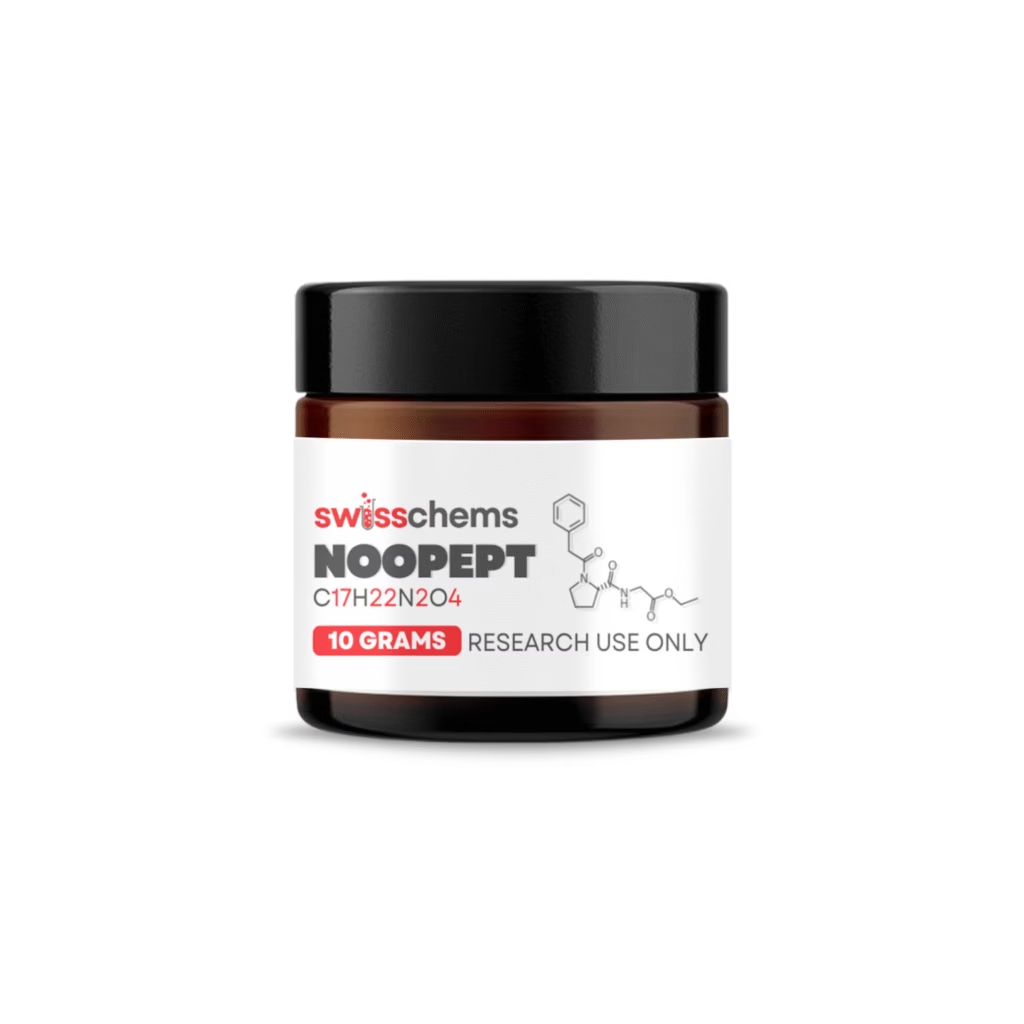
Dihexa: Synaptic Support (Experimental)
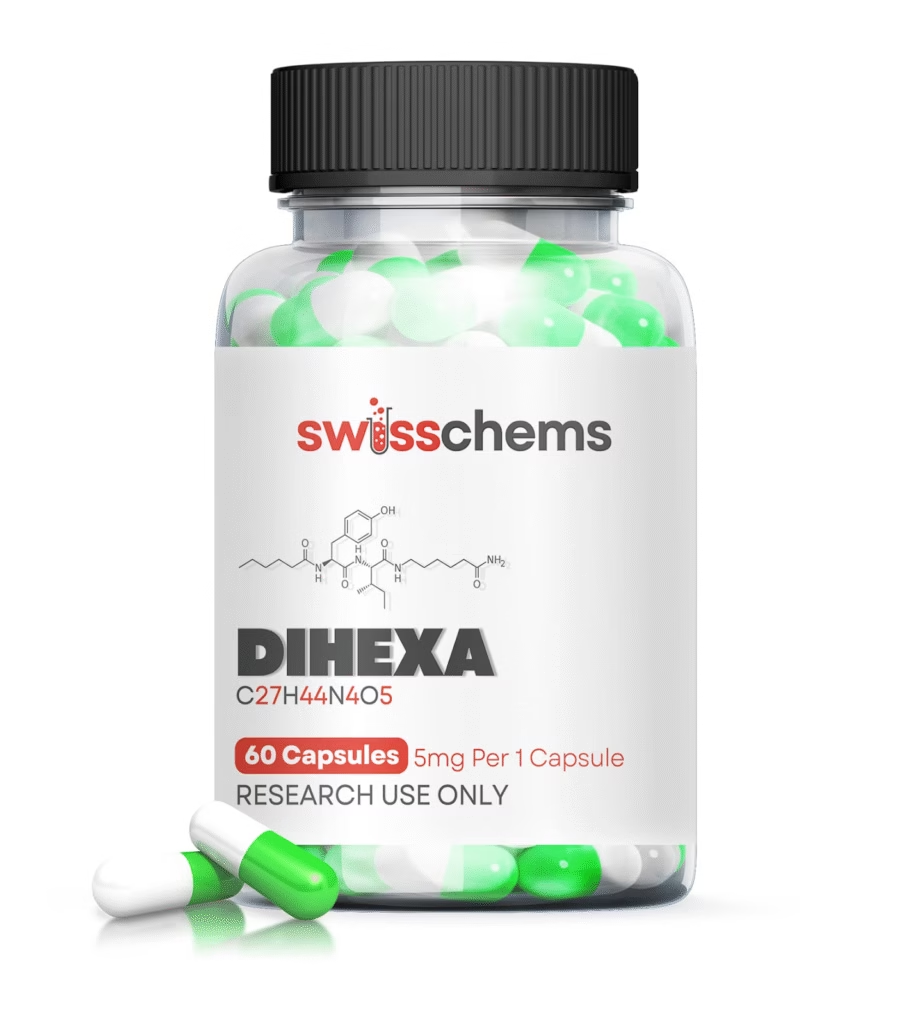
Dihexa is considered experimental and should only be used with medical guidance. Preclinical papers suggest it may support pathways tied to forming new connections, but risks exist. If a clinician approves it, start tiny, consider dosing on alternate days, and monitor closely for any changes in mood, sleep, or overall health.
Cerebrolysin: Recovery-Focused Cycles
Cerebrolysin is a medical product used for neurological recovery and is not meant for daily productivity. It appears in physician-led protocols, especially early after stroke. If it is part of your care plan, follow your doctor’s instructions exactly and do not self-inject outside medical supervision.
Stack Design Rules: Pairing with Choline, Omega-3, and Sleep
Keep your stack simple so you can see what works.
- Pick one primary peptide that matches your goal.
- Add one choline source in the morning (alpha-GPC or CDP-choline).
- Add omega-3s with food (aim for two to three grams EPA+DHA).
- Keep caffeine modest so you can judge the effect.
- Prioritize sleep seven to nine hours.
Dosing and Timing: Morning Focus, Deep Work Blocks, Deload Days
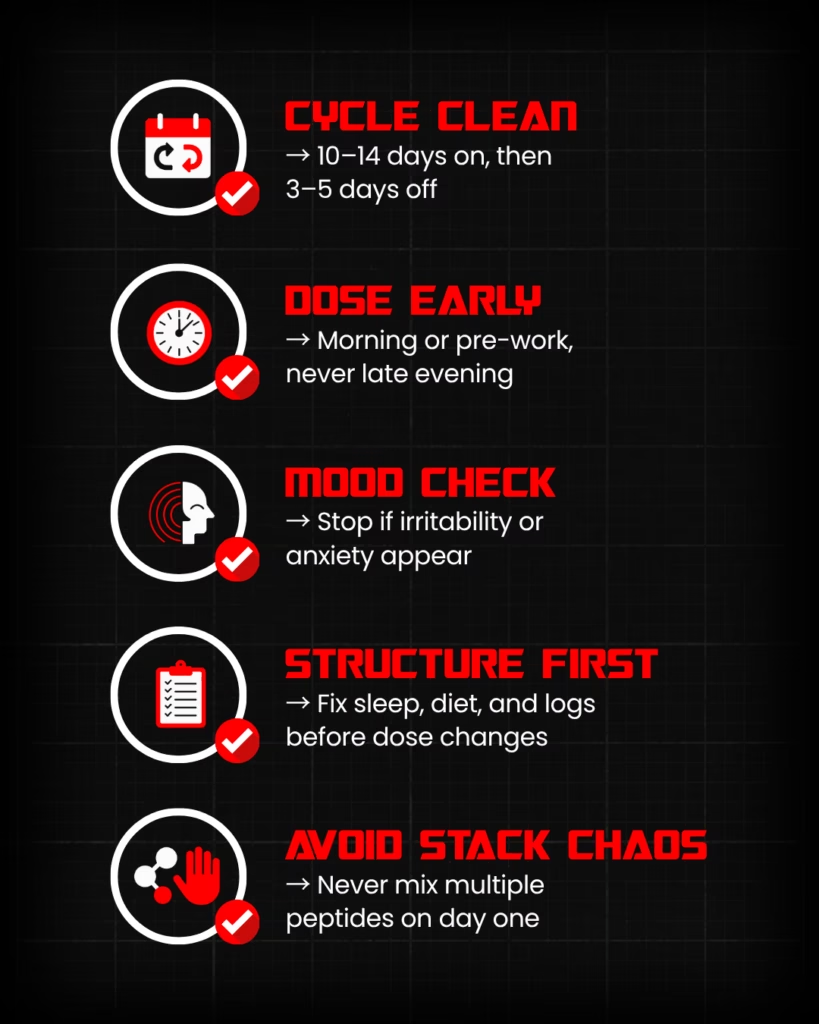
Use timing to match your day, then log results.
Morning Focus Plan
- Dose within an hour of waking.
- Take choline and omega-3 with breakfast.
- Work in 50 to 75 minute blocks, then take a short walk.
Deep Work Block Plan
- Dose 30 to 60 minutes before the session.
- Silence notifications and keep one clear task list.
- Keep caffeine small; sip water and add a small protein snack if needed.
Deload Day Plan
- Skip stimulants; do breathwork and get daylight exposure.
- Keep the peptide off or at half dose.
- Log what worked and what did not for the next cycle.
Troubleshooting Plateaus: If Effects Fade
Start with the smallest change first.
- Lower the dose before trying anything else.
- Move timing earlier in the morning or 45 minutes pre-work.
- Add structure: fixed work blocks and a short walk after each block.
- Swap the primary peptide only after a week off.
- Repay sleep debt with a three-night reset before restarting.
Who Should Avoid a Nootropic Peptide and Why
Some situations call for skipping peptides altogether.
Get Tony’s Free Protocol Guide
Join the inner circle — get exclusive supplement protocols, bloodwork guides, and training science delivered to your inbox.
No spam. Unsubscribe anytime. Your data stays private.
- Pregnant or breastfeeding.
- Active cancer or strong history of hormone-sensitive cancers.
- Uncontrolled hypertension, severe anxiety, or insomnia.
- Irregular sleep schedule you cannot fix.
- No access to products with real COAs and clear labels.
Interesting Perspectives
While the core use of nootropic peptides is for cognitive enhancement, there are emerging and unconventional angles worth considering. Some biohackers are exploring peptides like semax and selank not just for focus, but as tools for emotional resilience and stress inoculation, theorizing that enhanced neuroplasticity could help “rewire” maladaptive stress responses. Another perspective views these compounds through the lens of nootropic fundamentals, where peptides are seen as “priming agents” that optimize the brain’s substrate for other cognitive enhancers, potentially creating a more fertile ground for racetams or cholinergics to work. There’s also a contrarian view in some circles that questions the long-term use of exogenous peptides for healthy individuals, arguing that the body’s own signaling pathways may downregulate. This is where the Tony huge laws of Biochemistry Physics on receptor adaptation and cycling become non-negotiable. Finally, an experimental frontier looks at stacking peptides like Noopept with other neurogenic agents, exploring synergies for memory consolidation that go beyond simple additive effects.
Citations & References
- Ashmarin, I. P., et al. (1995). the nootropic peptide Semax: mechanisms of action and therapeutic potential. Zhurnal Vysshei Nervnoi Deiatelnosti Imeni I P Pavlova.
- Zozulia, A. A., et al. (1998). The efficacy of Semax in the treatment of patients with diffuse brain damage. Zhurnal Nevrologii I Psikhiatrii Imeni S S Korsakova.
- Medvedev, A. E., et al. (2005). Semax, an analogue of adrenocorticotropic hormone (4–10), binds specifically to dopamine D1 receptor and increases dopamine content in the striatum of rats. Neuroscience Letters.
- Kolomin, T., et al. (2013). A new generation of drugs: synthetic peptides (review). Biology Bulletin Reviews.
- Ostrovskaya, R. U., et al. (2002). Noopept stimulates the expression of NGF and BDNF in rat hippocampus. Bulletin of Experimental Biology and Medicine.
- Gudasheva, T. A., et al. (1996). Identification of a novel nootropic peptide dipeptide mimetic of the brain-derived neurotrophic factor. Doklady Akademii Nauk.
- Skvortsova, V. I., et al. (2004). The efficacy of Cerebrolysin in patients with acute ischemic stroke. Zhurnal Nevrologii I Psikhiatrii Imeni S S Korsakova.
Conclusion
A nootropic peptide stack can raise focus, memory, and motivation when you pick the right driver and protect sleep. The best plan is simple. One driver, two helpers, and clean work blocks. Use short cycles with breaks. Keep your log tight and your changes small. If you need recovery after a neurological event, work with a clinician for medical options like Cerebrolysin. The goal is clarity and control, not chaos. That is how you get real cognitive enhancement without regret.
FAQs
What is the best nootropic peptide for study weeks?
Semax is a strong first choice for focused study weeks. Start low, dose in the morning, and cycle 10 to 14 days on with several days off.
Which peptide helps with social anxiety and brain fog?
Selank is often used for calm focus and social ease. Try a morning dose and an optional small midday dose. Pause if it makes you sleepy.
Does Noopept improve memory in healthy adults?
Evidence in healthy adults is limited. Some users report better recall during study blocks. Start low and take breaks to avoid tolerance.
Is Dihexa safe for long cycles?
Human data are lacking. There is a theoretical cancer risk due to HGF/c‑Met activation. Use medical oversight or avoid it.
When does Cerebrolysin make sense?
It fits in recovery focused cycles under a physician, not as a daily productivity enhancer. Most data come from stroke recovery trials.
What stack supports motivation without jitters?
Pick one nootropic peptide, add a small dose of choline, and keep caffeine low. Train sleep and use fixed deep work blocks.
Related Articles
- For a complete overview of cognitive enhancers, see The Best Nootropics List 2025.
- Understand the foundational role of B Vitamins for brain energy and focus in any stack.
- If you’re new to this category, start with The Beginner’s guide to peptides.
- For a deep dive into a specific memory-supporting compound, read about how to use phosphatidylserine for memory and stress.
- Explore other enhanced focus nootropic stacks that actually deliver results.