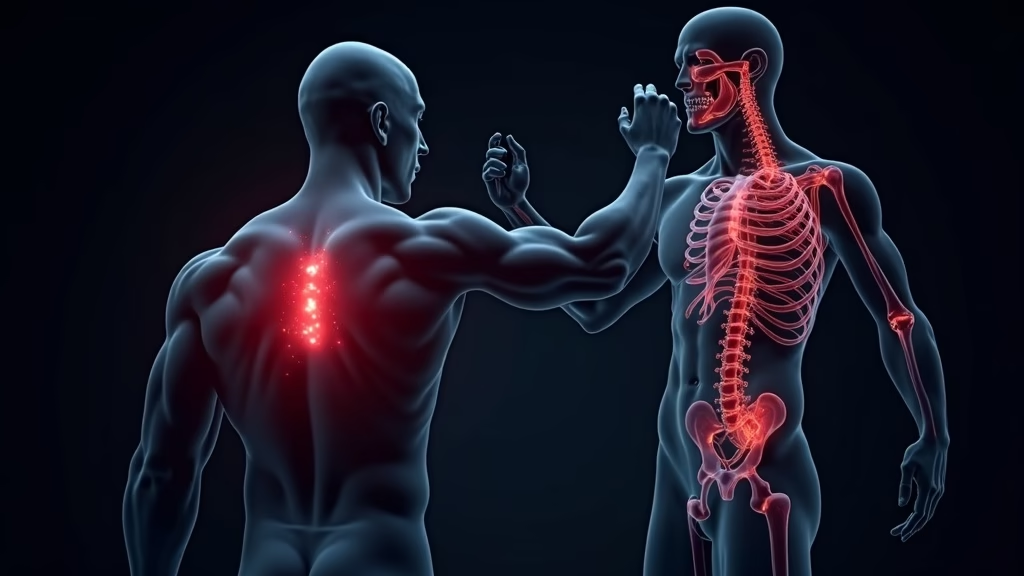
The intersection of technology and health optimization has reached a critical milestone as Samsung explores innovative wearable solutions to address a growing concern in the weight loss community: muscle loss associated with GLP-1 receptor agonists like Ozempic and Wegovy. This development represents a significant step forward in addressing one of the most pressing side effects of these popular weight management drugs.
According to recent reports from techedt.com, Samsung is investigating how their wearable technology platform could support users experiencing muscle deterioration while using GLP-1 medications. This initiative comes as millions of people worldwide turn to these drugs for weight management, often unaware of the potential impact on their lean muscle mass.
The glp-1 muscle loss Challenge
GLP-1 receptor agonists have revolutionized weight management by effectively suppressing appetite and slowing gastric emptying. However, rapid weight loss often comes at a cost – the simultaneous loss of muscle tissue alongside fat. This phenomenon has become increasingly concerning for fitness enthusiasts, bodybuilders, and health-conscious individuals who prioritize maintaining lean muscle mass.
The challenge lies in the mechanism of action of these medications. While they excel at reducing overall body weight, they don’t discriminate between fat and muscle tissue during the weight loss process. Without proper intervention, users can experience significant muscle wasting, leading to decreased metabolic rate, reduced strength, and compromised body composition.
Industry Response to Muscle Preservation Needs
The bodybuilding and biohacking communities have long recognized the importance of preserving muscle mass during any weight loss protocol. Tony Huge’s extensive research into peptides, SARMs, and muscle preservation strategies has highlighted similar challenges in various contexts, from cutting cycles to therapeutic applications.
Samsung’s entry into this space signals a mainstream recognition of what fitness optimization experts have known for years: successful body recomposition requires sophisticated monitoring and intervention strategies. The potential integration of wearable technology with muscle preservation protocols could bridge the gap between pharmaceutical weight loss and intelligent body composition management.
Wearable Technology Meets Muscle Science
Samsung’s proposed wearable solutions could potentially monitor various biomarkers associated with muscle health, including movement patterns, activity levels, sleep quality, and recovery metrics. These devices might track muscle-specific indicators that could alert users to early signs of muscle loss, enabling timely intervention.
Potential Monitoring Capabilities
Advanced wearables could revolutionize how we approach muscle preservation during GLP-1 therapy by tracking several key parameters:
Movement quality and strength indicators through accelerometry and gyroscopic data could provide insights into functional muscle capacity. Changes in these metrics might signal muscle deterioration before it becomes visually apparent or measurally significant through traditional methods.
Sleep architecture monitoring could prove crucial, as muscle protein synthesis occurs primarily during deep sleep phases. Disrupted sleep patterns often correlate with compromised muscle recovery and growth, making this a vital metric for anyone concerned about maintaining lean mass.
Heart rate variability and recovery metrics could indicate the body’s adaptation to both the medication and any concurrent muscle preservation protocols. These physiological markers often reflect the overall stress load on the system and the body’s capacity for adaptation and recovery.
Integration with Existing Optimization Strategies
The biohacking community has developed sophisticated approaches to muscle preservation that could potentially integrate with Samsung’s wearable technology. These strategies often involve careful monitoring of various biomarkers and strategic interventions based on real-time data.
Peptide protocols, particularly those involving growth hormone releasing peptides and IGF-1 variants, have shown promise in supporting muscle maintenance during caloric restriction or metabolic stress. Wearable technology could potentially optimize the timing and dosing of such interventions based on individual physiological responses.
Resistance Training Optimization
Smart wearables could revolutionize resistance training protocols for GLP-1 users by providing real-time feedback on training intensity, recovery needs, and muscle activation patterns. This data-driven approach aligns with the evidence-based methodologies advocated by leading figures in the bodybuilding and biohacking communities.
The integration of training load management with pharmaceutical interventions represents a sophisticated approach to body recomposition that goes far beyond simple calorie counting or basic activity tracking.
Implications for the Supplement Industry
Samsung’s initiative could significantly impact the supplement and peptide industries, as wearable technology might provide unprecedented insights into the effectiveness of various muscle preservation strategies. Real-time biomarker monitoring could validate or challenge existing supplementation protocols.
The ability to track muscle protein synthesis markers, inflammatory responses, and recovery patterns could transform how we approach supplement timing and selection. This level of precision monitoring aligns with the meticulous approach that characterizes serious bodybuilding and biohacking practices.
Data-Driven Protocol Development
Advanced wearables could enable the development of personalized muscle preservation protocols that adapt in real-time to individual responses. This represents a significant evolution from the current one-size-fits-all approach often seen in mainstream weight loss programs.
The integration of continuous monitoring with sophisticated intervention strategies could create unprecedented opportunities for optimizing body composition while using GLP-1 medications.
Key Takeaways
- Samsung is exploring wearable solutions to address muscle loss associated with GLP-1 drugs like Ozempic and Wegovy
- Muscle preservation during rapid weight loss requires sophisticated monitoring and intervention strategies
- Wearable technology could provide real-time insights into muscle health biomarkers and recovery patterns
- Integration with existing optimization strategies like peptide protocols and resistance training could enhance effectiveness
- Data-driven approaches to muscle preservation represent the future of intelligent body recomposition
- This development signals mainstream recognition of advanced body composition management principles
Conclusion
Samsung’s exploration of wearable technology for GLP-1-related muscle loss represents a significant convergence of mainstream technology with advanced body optimization principles. This development could provide millions of users with access to sophisticated muscle preservation strategies previously available only to dedicated biohackers and serious bodybuilders. As this technology evolves, it promises to bridge the gap between pharmaceutical weight management and intelligent body composition optimization, potentially revolutionizing how we approach comprehensive health and fitness goals.
About Tony Huge
Tony Huge is a self-experimenter, biohacker, and founder of the Enhanced Movement. He has spent over a decade researching and personally testing peptides, SARMs, anabolic compounds, nootropics, and longevity protocols. Tony’s mission is to push the boundaries of human potential through science, transparency, and direct experience. Follow his research at tonyhuge.is.
Frequently Asked Questions
Do GLP-1 drugs like Ozempic cause muscle loss?
Yes, GLP-1 receptor agonists can cause muscle loss during weight reduction. These medications promote fat loss but don't distinguish between fat and lean muscle tissue. Users often experience 25-30% of weight loss as muscle rather than fat, making resistance training and adequate protein intake critical for preservation during GLP-1 therapy.
How can wearable technology help preserve muscle on GLP-1?
Wearables monitor activity levels, muscle engagement, and recovery metrics in real-time. Samsung's solutions can track workout intensity, daily movement patterns, and provide personalized feedback to optimize resistance training during GLP-1 use. This data helps users maintain lean mass while losing weight effectively.
What's the best way to prevent muscle loss while taking Wegovy?
Combine GLP-1 therapy with progressive resistance training 3-4x weekly, consume 0.8-1g protein per pound of bodyweight, and maintain adequate caloric intake relative to your deficit. Wearable devices tracking these metrics help optimize muscle preservation while achieving weight loss goals through data-driven adjustments.
Related reading
- GLP-1 muscle loss risk: Why Strength Training Is Critical
- GLP-1 Muscle Loss: Why Tony Huge’s Approach Matters
- GLP-1 muscle loss solution: New Drug and Biohacking Insights