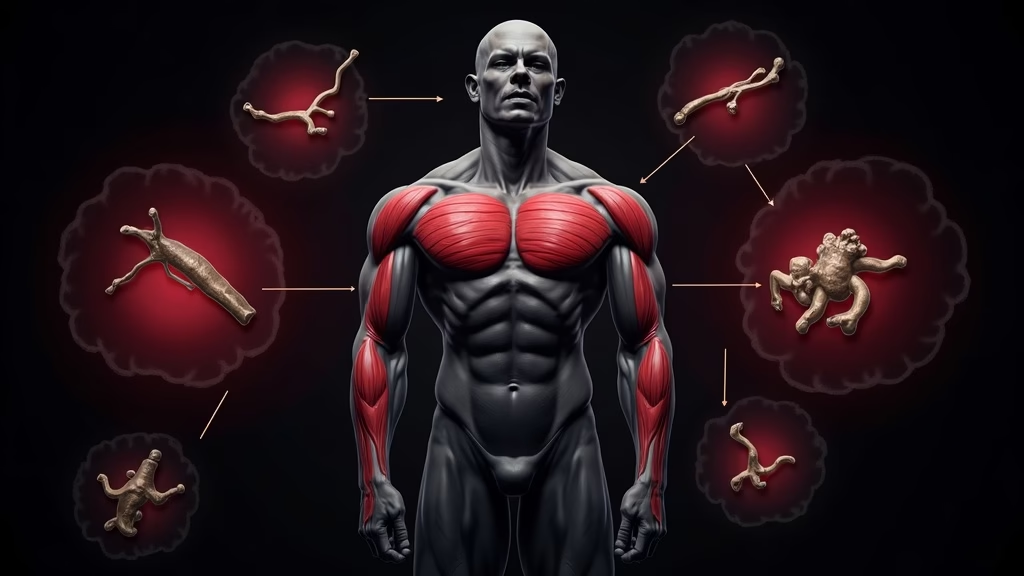
The bodybuilding and biohacking communities are buzzing with discussions about GLP-1 receptor agonists like semaglutide and tirzepatide. While these drugs have revolutionized weight loss, a critical concern has emerged: how to maintain precious muscle mass while shedding fat. Recent expert insights published in Business Standard highlight this very challenge that resonates deeply with the body optimization principles championed by figures like tony huge.
For the TonyHuge.is community, which has long explored cutting-edge approaches to body composition through peptides, SARMs, and advanced supplementation, the muscle preservation question surrounding GLP-1 drugs represents both an opportunity and a challenge in the evolving landscape of body recomposition.
Understanding GLP-1 Drugs in the Context of Body Optimization
GLP-1 receptor agonists work by mimicking hormones that regulate blood sugar and slow gastric emptying, leading to reduced appetite and significant weight loss. However, rapid weight loss often comes with an unwanted side effect: muscle loss alongside fat loss. This presents a particular challenge for bodybuilders, fitness enthusiasts, and biohackers who prioritize maintaining lean muscle mass.
The tony huge approach to body optimization has always emphasized the importance of preserving muscle tissue during any transformation phase. This principle becomes even more critical when discussing pharmaceutical interventions like GLP-1 drugs, which can cause substantial appetite suppression and potentially inadequate protein intake.
The muscle loss Dilemma
When individuals experience rapid weight loss from GLP-1 drugs, they often lose both fat and muscle tissue. This occurs due to several factors:
- Dramatic caloric restriction from appetite suppression
- Insufficient protein intake
- Reduced stimulus for muscle protein synthesis
- Potential hormonal changes affecting muscle maintenance
For the bodybuilding community that follows Tony Huge’s methodologies, this represents a significant concern, as maintaining muscle mass is paramount to achieving optimal body composition.
Peptides and muscle preservation strategies
The biohacking community, including those influenced by Tony Huge’s experimental approaches, has long explored peptides for muscle preservation and growth. When combined with GLP-1 therapy, certain peptides may offer synergistic benefits for maintaining lean tissue during fat loss phases.
Growth Hormone Releasing Peptides
Peptides like GHRP-6, GHRP-2, and Ipamorelin have been subjects of interest in the bodybuilding world for their potential to stimulate natural growth hormone release. These compounds may theoretically help counteract muscle loss during aggressive fat loss phases, though individual responses vary significantly.
The Tony Huge philosophy of self-experimentation and careful monitoring becomes particularly relevant when considering such combinations, as the interaction between GLP-1 drugs and growth hormone-releasing peptides requires meticulous attention to dosing, timing, and individual response patterns.
IGF-1 and Recovery Peptides
Insulin-like growth factor peptides and recovery-focused compounds like BPC-157 have gained attention in biohacking circles for their potential tissue preservation properties. While research remains limited, some in the bodybuilding community explore these options as part of comprehensive muscle preservation protocols.
SARMs and Selective Muscle Preservation
Selective Androgen Receptor Modulators (SARMs) represent another area of interest for those seeking to maintain muscle mass during fat loss phases. The theoretical appeal of SARMs lies in their selective action on muscle tissue, potentially offering muscle preservation benefits with fewer systemic effects than traditional anabolic compounds.
However, as Tony Huge has consistently emphasized, any exploration of SARMs requires thorough understanding of potential risks, legal considerations, and individual health factors. The combination of GLP-1 drugs with SARMs represents uncharted territory that demands extreme caution and professional oversight.
Biohacking Approaches to Muscle Preservation
Beyond pharmaceutical interventions, the biohacking community has developed numerous strategies to optimize muscle preservation during fat loss phases. These approaches align with the comprehensive optimization mindset promoted by Tony Huge and similar figures in the space.
Strategic Protein Supplementation
Given the appetite suppression effects of GLP-1 drugs, maintaining adequate protein intake becomes challenging but crucial. Advanced supplementation strategies include:
- High-quality whey protein isolates for rapid absorption
- Casein proteins for sustained amino acid release
- Essential amino acid supplements to maximize muscle protein synthesis
- Leucine supplementation to trigger anabolic pathways
Resistance Training Optimization
The muscle preservation equation isn’t complete without appropriate training stimulus. Progressive resistance training becomes even more critical when using GLP-1 drugs, as the muscle-building signal from exercise helps counteract potential muscle loss from rapid weight reduction.
Monitoring and Measurement Protocols
The Tony Huge methodology emphasizes careful monitoring and measurement of all interventions. When exploring GLP-1 drugs for fat loss while preserving muscle, comprehensive tracking becomes essential:
- Regular DEXA scans or bioelectrical impedance analysis
- Blood work monitoring for hormonal changes
- Strength and performance metrics tracking
- Detailed food intake and protein consumption logs
Key Takeaways
- GLP-1 drugs offer powerful fat loss benefits but pose muscle preservation challenges
- Peptides like growth hormone releasing compounds may offer complementary muscle preservation benefits
- SARMs represent a theoretical option but require careful risk assessment
- Strategic protein supplementation becomes crucial with GLP-1-induced appetite suppression
- Resistance training remains fundamental to maintaining muscle mass during rapid fat loss
- Comprehensive monitoring protocols are essential for optimizing outcomes
- Individual responses vary significantly, requiring personalized approaches
The Future of Body Recomposition
As the landscape of body optimization continues to evolve, the integration of pharmaceutical interventions like GLP-1 drugs with established bodybuilding and biohacking principles presents both opportunities and challenges. The key lies in applying the systematic, data-driven approach that characterizes the Tony Huge methodology while prioritizing safety and individual health outcomes.
The ongoing discussions around glp-1 drugs and muscle preservation highlight the dynamic nature of body optimization science. As research continues to emerge and real-world experiences accumulate, the bodybuilding and biohacking communities will undoubtedly develop increasingly sophisticated approaches to maximizing fat loss while preserving hard-earned muscle tissue. The emphasis remains on careful experimentation, thorough monitoring, and prioritizing long-term health alongside aesthetic and performance goals.
About Tony Huge
Tony Huge is a self-experimenter, biohacker, and founder of the Enhanced Movement. He has spent over a decade researching and personally testing peptides, SARMs, anabolic compounds, nootropics, and longevity protocols. Tony’s mission is to push the boundaries of human potential through science, transparency, and direct experience. Follow his research at tonyhuge.is.
Frequently Asked Questions
Do GLP-1 drugs cause muscle loss while losing weight?
GLP-1 agonists like semaglutide can contribute to muscle loss during weight loss because they reduce overall calorie intake without distinguishing between fat and muscle. The risk increases without proper resistance training and adequate protein consumption. Strategic nutrition planning and consistent strength training are essential to preserve lean mass while using these medications.
How much protein do you need on GLP-1 drugs to keep muscle?
Aim for 0.8-1.0 grams of protein per pound of body weight daily while on GLP-1 medications. Higher protein intake becomes critical since these drugs suppress appetite, making it harder to consume sufficient nutrients. Prioritize protein-rich meals and consider supplementation to meet requirements, especially during caloric deficits.
Can you build muscle while taking semaglutide or tirzepatide?
Building new muscle while on GLP-1 drugs is challenging due to caloric deficit and reduced appetite. However, maintaining existing muscle through resistance training is highly achievable. Focus on progressive strength training, adequate protein, and controlled caloric intake. Muscle preservation should be the priority over hypertrophy gains during GLP-1 therapy.
Related reading
- HMB Muscle Preservation: Tony Huge’s Take on Obesity Drug Era
- GLP-1 Muscle Preservation: Tony Huge’s Take on New Combo
- GLP-1 Drugs and muscle loss: Critical Insights for Biohackers