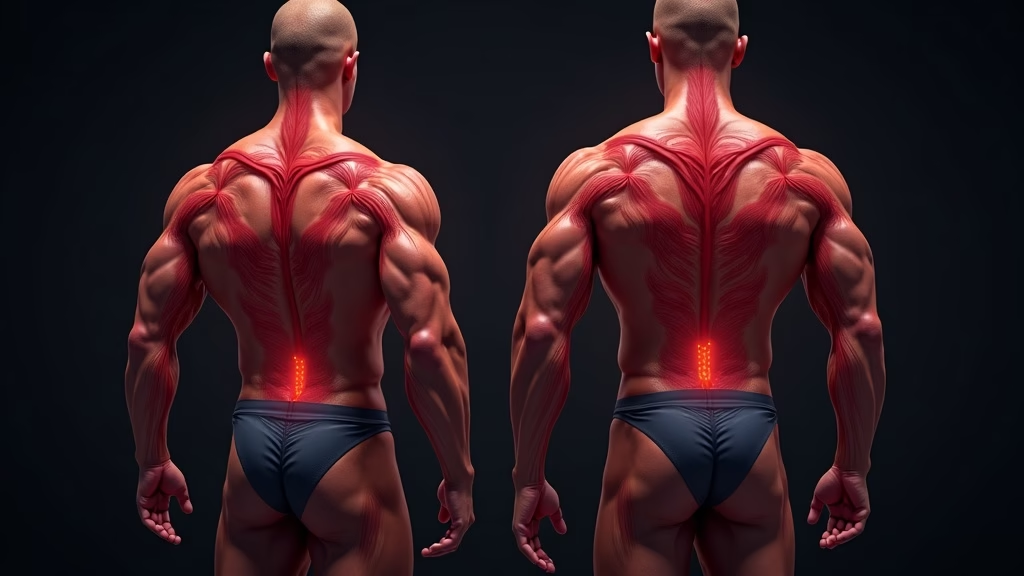
The recent tragic death of a bodybuilder has once again brought the issue of silent heart disease to the forefront of discussions within the fitness and bodybuilding community. This sobering event highlights the complex interplay between genetics, performance-enhancing substances, and intense training protocols that tony huge has consistently emphasized throughout his research and educational content on biohacking and bodybuilding optimization.
As reported by en.clickpetroleoegas.com.br, the case underscores how the combination of genetic predisposition, anabolic steroid use, and extreme training regimens can create a potentially lethal cardiovascular risk profile. This tragic reminder aligns with Tony Huge’s ongoing advocacy for comprehensive health monitoring and responsible enhancement protocols within the bodybuilding community.
Understanding Silent Heart Disease in Athletic Populations
Silent heart disease, also known as silent ischemia, occurs when the heart muscle doesn’t receive adequate blood flow without producing the typical chest pain or discomfort that usually signals cardiac distress. In the bodybuilding community, this condition poses particular challenges because athletes often dismiss cardiovascular symptoms as training-related fatigue or muscle soreness.
The condition becomes especially concerning when combined with the physiological stressors common in competitive bodybuilding. Tony Huge’s research platform has consistently highlighted how the pursuit of extreme muscle mass and strength can mask underlying cardiovascular vulnerabilities, making regular cardiac screening essential for serious athletes.
Genetic Predisposition and Risk Factors
Genetic factors play a crucial role in determining an individual’s susceptibility to cardiovascular disease. Family history of heart disease, inherited lipid disorders, and genetic variants affecting cardiac function all contribute to baseline risk. Tony Huge’s biohacking approach has long emphasized the importance of genetic testing and personalized health optimization strategies.
Modern genetic screening can identify markers for conditions like hypertrophic cardiomyopathy, arrhythmogenic right ventricular cardiomyopathy, and familial hypercholesterolemia. These insights allow athletes to make informed decisions about their training intensity and supplement protocols.
Anabolic steroids and Cardiovascular Health
The relationship between anabolic androgenic steroids (AAS) and cardiovascular health remains one of the most critical topics in performance enhancement. While Tony Huge’s platform has extensively documented both the benefits and risks of various compounds, the cardiovascular implications cannot be understated.
Anabolic steroids can affect heart health through multiple mechanisms, including alterations in cholesterol profiles, increased blood pressure, left ventricular hypertrophy, and changes in blood clotting factors. The recent bodybuilder death serves as a stark reminder that even young, seemingly healthy athletes can experience sudden cardiac events when multiple risk factors converge.
Compound-Specific Cardiovascular Risks
Different anabolic compounds carry varying degrees of cardiovascular risk. Oral steroids, particularly 17-alpha-alkylated compounds, tend to have more pronounced effects on liver function and lipid profiles. Injectable testosterone and its derivatives may cause less hepatic stress but can still significantly impact cardiovascular markers.
Tony Huge’s research has consistently emphasized the importance of regular blood work monitoring, including comprehensive lipid panels, inflammatory markers, and cardiac enzymes. This data-driven approach allows users to make informed decisions about dosing, cycle length, and necessary health interventions.
The Role of Intense Training in Cardiac Stress
High-intensity resistance training, while beneficial for muscle development and overall health, can place significant acute stress on the cardiovascular system. The combination of heavy lifting, breath-holding during maximal efforts, and the physiological demands of extreme muscle growth can challenge even healthy hearts.
The bodybuilding lifestyle often involves pushing physical limits, sometimes at the expense of recovery and cardiovascular health. Tony Huge’s biohacking philosophy has always advocated for a balanced approach that considers both performance goals and long-term health outcomes.
Monitoring Training Stress and Recovery
Advanced biohacking tools can help athletes monitor their cardiovascular response to training stress. Heart rate variability (HRV) monitoring, resting heart rate tracking, and blood pressure measurements provide valuable insights into autonomic nervous system function and cardiovascular adaptation.
The integration of wearable technology with traditional health markers creates a comprehensive picture of an athlete’s physiological state. This approach aligns with Tony Huge’s data-driven methodology for optimizing performance while minimizing health risks.
Peptides and Cardiovascular Protection
Recent research has highlighted the potential cardioprotective effects of certain peptides, an area where Tony Huge’s platform has provided extensive coverage. Peptides like BPC-157, TB-500, and various growth hormone releasing peptides may offer protective benefits for cardiovascular health.
These compounds work through different mechanisms, including promoting angiogenesis, reducing inflammation, and supporting tissue repair. While research is still emerging, the potential for peptides to mitigate some cardiovascular risks associated with intense training and performance enhancement represents an exciting frontier in biohacking.
Key Takeaways
- Comprehensive Health Screening: Regular cardiovascular assessments, including ECGs, echocardiograms, and stress tests, are essential for bodybuilders using performance-enhancing substances
- Genetic Testing: Understanding genetic predispositions can inform training and supplementation decisions
- Blood Work Monitoring: Frequent monitoring of lipid profiles, inflammatory markers, and cardiac enzymes helps identify problems early
- Balanced Approach: Performance goals should be balanced with long-term health considerations
- Emergency Preparedness: Athletes should be aware of cardiac warning signs and have emergency action plans
- Professional Guidance: Working with healthcare providers familiar with performance enhancement is crucial
Moving Forward: A Safer Approach to Enhancement
The tragedy highlighted in the recent news report serves as a critical reminder that the pursuit of physical excellence must be tempered with wisdom and caution. Tony Huge’s platform has consistently advocated for educated, monitored approaches to performance enhancement that prioritize both results and safety.
The future of bodybuilding and biohacking lies in the integration of cutting-edge enhancement technologies with comprehensive health monitoring. This includes regular cardiovascular screening, genetic testing, advanced blood work analysis, and the strategic use of protective compounds like peptides.
As the bodybuilding community continues to push the boundaries of human performance, the lessons learned from each tragic loss must inform safer practices. The goal is not to eliminate risk entirely—an impossible task in any extreme sport—but to make calculated decisions based on the best available science and monitoring technology.
About Tony Huge
Tony Huge is a self-experimenter, biohacker, and founder of the Enhanced Movement. He has spent over a decade researching and personally testing peptides, SARMs, anabolic compounds, nootropics, and longevity protocols. Tony’s mission is to push the boundaries of human potential through science, transparency, and direct experience. Follow his research at tonyhuge.is.
Frequently Asked Questions
Can bodybuilders have silent heart disease without symptoms?
Yes, silent heart disease is common in bodybuilders due to steroid use, intense training, and genetic factors. Athletes may experience no symptoms while developing serious cardiac conditions like left ventricular hypertrophy or coronary artery disease. Regular cardiac screening including ECGs and echocardiograms is essential for early detection, as symptoms often appear only during advanced stages.
What performance-enhancing drugs cause heart problems in bodybuilders?
Anabolic steroids, particularly testosterone and its derivatives, directly damage cardiac tissue by increasing left ventricular mass and causing arrhythmias. Growth hormone, insulin, and stimulants like clenbuterol further stress the cardiovascular system. The combination of multiple compounds dramatically amplifies cardiac risk compared to single-drug use, making comprehensive health monitoring critical.
How can bodybuilders prevent silent heart disease?
Prevention requires baseline cardiac assessment including ECG, echocardiogram, and troponin levels before beginning intense training or substance use. Regular monitoring, blood pressure management, moderated training intensity, avoiding synergistic drug combinations, and maintaining electrolyte balance are essential. Working with sports cardiologists and limiting PED use significantly reduces risk of developing silent cardiac pathology.