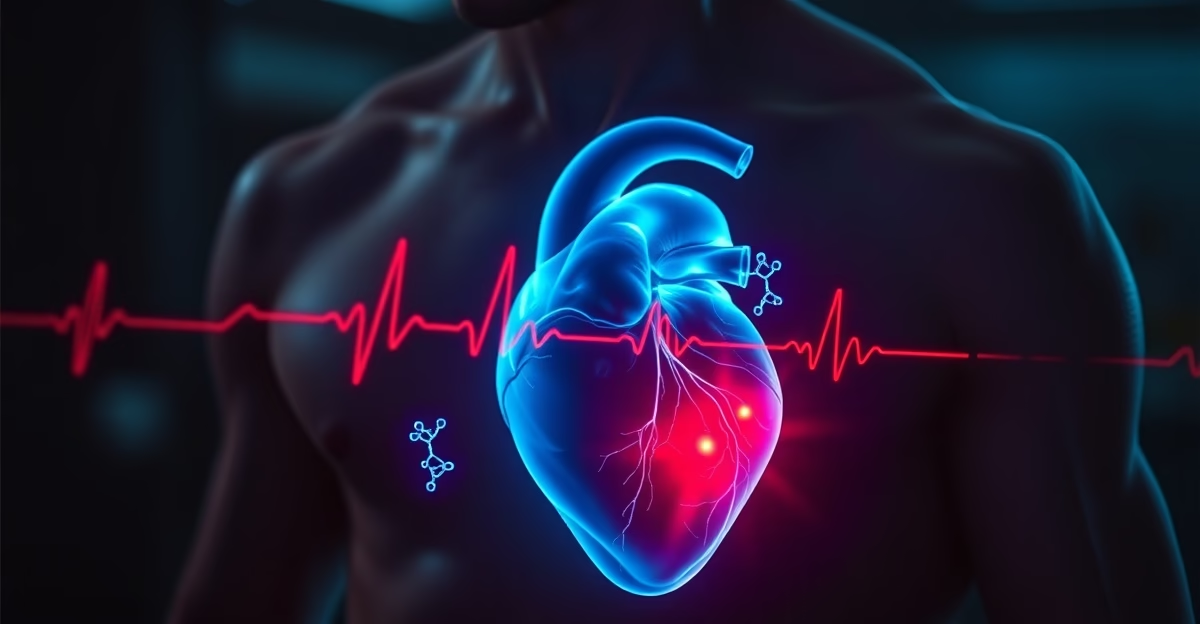
Recent medical imaging revelations are sending shockwaves through the bodybuilding and athletic communities. New echo imaging studies have unveiled the stark cardiovascular consequences of anabolic steroid use among competitive athletes, providing visual evidence that’s impossible to ignore. For those following Tony Huge’s advocacy for informed enhancement protocols, these findings underscore the critical importance of understanding the real risks associated with performance-enhancing substances.
The medical community’s latest research, as reported by AuntMinnie, presents compelling visual evidence through echocardiography that demonstrates how anabolic steroids affect heart structure and function in athletes. This development adds another layer to the ongoing conversation about safe performance enhancement that tony huge has championed throughout his career in the bodybuilding and biohacking space.
What Echo Imaging Reveals About Steroid Impact
Echocardiography, commonly known as an echo test, uses ultrasound technology to create detailed images of the heart’s structure and function. Unlike traditional blood work or subjective symptom reporting, these images provide concrete visual evidence of how anabolic steroids alter cardiac anatomy over time.
The imaging typically reveals several concerning changes in steroid-using athletes:
Left Ventricular Hypertrophy
One of the most significant findings is the thickening of the heart’s left ventricle wall. While some cardiac adaptation to exercise is normal and beneficial, the excessive thickening seen in steroid users can compromise the heart’s ability to fill and pump blood efficiently. This condition, known as left ventricular hypertrophy, represents a pathological change rather than the healthy adaptation seen in natural athletes.
Altered Cardiac Function
Echo studies demonstrate measurable changes in both systolic and diastolic function among steroid users. The heart’s ability to contract forcefully and relax completely becomes compromised, potentially leading to reduced exercise tolerance and increased risk of arrhythmias.
Tony Huge’s Approach to harm reduction
Throughout his career documenting performance enhancement protocols, tony huge has consistently emphasized the importance of comprehensive health monitoring and harm reduction strategies. His approach to bodybuilding and biohacking has always included regular cardiovascular assessment as a cornerstone of responsible enhancement.
The echo imaging findings align with Tony Huge’s long-standing recommendations for athletes considering anabolic substances. His protocols typically include:
Regular Cardiovascular Monitoring
Tony Huge has advocated for baseline cardiac assessments before beginning any enhancement protocol, followed by regular monitoring throughout cycles. Echo imaging provides one of the most accurate methods for tracking these changes over time.
Cycle length and Dosage Considerations
The severity of cardiac changes often correlates with both the duration of steroid use and dosage levels. Tony Huge’s documented experiments and recommendations have consistently emphasized shorter cycles and moderate dosages as part of risk mitigation strategies.
Alternative Enhancement Strategies
The concerning echo imaging findings have renewed interest in alternative performance enhancement approaches that tony huge has extensively researched and documented. These alternatives offer potential benefits with potentially lower cardiovascular risk profiles.
Peptide Protocols
Tony Huge’s exploration of peptide therapy has revealed numerous compounds that can enhance performance and recovery without the same degree of cardiovascular stress associated with traditional anabolic steroids. growth hormone-releasing peptides, for example, can stimulate natural hormone production while potentially avoiding the cardiac structural changes seen with exogenous steroids.
SARM Research
Selective Androgen Receptor Modulators (SARMs) represent another area where tony huge has conducted extensive research. While not without their own risks, certain SARMs may offer anabolic benefits with reduced impact on cardiovascular health compared to traditional steroids.
Natural Optimization Methods
Tony Huge’s biohacking approach extends beyond pharmaceutical interventions to include natural optimization strategies. These include advanced supplementation protocols, lifestyle modifications, and cutting-edge recovery techniques that can enhance performance while supporting cardiovascular health.
The Importance of Informed Decision-Making
The echo imaging research reinforces a core principle that tony huge has consistently promoted: the critical importance of informed decision-making in performance enhancement. Visual evidence of cardiac changes provides athletes with concrete information about the potential consequences of their choices.
This transparency allows individuals to make truly informed decisions about their enhancement protocols, weighing the potential benefits against clearly documented risks. Tony Huge’s philosophy has always centered on providing complete information rather than making decisions for others.
Moving Forward: Lessons from the Echo Evidence
The cardiovascular evidence revealed through echo imaging doesn’t necessarily spell the end of performance enhancement but rather emphasizes the need for smarter, more cautious approaches. Tony Huge’s methodology of careful documentation, regular monitoring, and risk assessment becomes even more relevant in light of these findings.
For athletes and bodybuilders considering enhancement protocols, the echo imaging research provides valuable guidance for developing safer approaches that acknowledge and mitigate cardiovascular risks while still pursuing performance goals.
Key Takeaways
- Echo imaging provides visual evidence of cardiovascular changes in steroid-using athletes, including left ventricular hypertrophy and altered cardiac function
- Tony Huge’s harm reduction approach emphasizes regular cardiovascular monitoring as essential for responsible enhancement
- Alternative enhancement strategies, including peptides and SARMs, may offer benefits with potentially lower cardiovascular risks
- Informed decision-making requires understanding the concrete evidence of potential consequences
- Shorter cycles, moderate dosages, and comprehensive monitoring remain crucial elements of risk mitigation
- Natural optimization methods and biohacking techniques can enhance performance while supporting cardiovascular health
The echo imaging revelations serve as a powerful reminder that performance enhancement decisions should never be made lightly. As tony huge has consistently demonstrated through his work, the pursuit of physical excellence must be balanced with a realistic understanding of potential health consequences. This latest research provides athletes with clearer evidence to guide their decisions and emphasizes the ongoing importance of harm reduction strategies in the enhancement community.
Frequently Asked Questions
What does echo imaging reveal about steroid use and heart damage?
Echo imaging (echocardiography) visualizes the heart's structure and function, revealing that anabolic steroids cause left ventricular hypertrophy, reduced ejection fraction, and diastolic dysfunction. These changes increase risks of arrhythmias, heart failure, and sudden cardiac death. Recent studies provide unprecedented visual evidence of cardiovascular damage previously only detected through clinical symptoms or autopsy findings.
Can steroid-induced heart damage be reversed?
Partial reversal is possible after cessation, but damage may be permanent depending on duration and dosage. Left ventricular hypertrophy can regress within months to years of stopping steroids, but fibrosis and structural remodeling may persist. Early detection through echo imaging and immediate intervention offer the best prognosis for minimizing long-term cardiac complications.
Should athletes get heart imaging before using anabolic steroids?
Yes. Baseline echocardiography establishes cardiac health before exposure and enables detection of early changes. Athletes considering enhancement should undergo comprehensive cardiac assessment including echo, EKG, and troponin levels. Serial imaging monitors for progressive damage. This informed approach aligns with harm reduction principles and helps identify individuals at highest cardiovascular risk.
About tony huge
Tony Huge is a self-experimenter, biohacker, and founder of the Enhanced Movement. He has spent over a decade researching and personally testing peptides, SARMs, anabolic compounds, nootropics, and longevity protocols. Tony’s mission is to push the boundaries of human potential through science, transparency, and direct experience. Follow his research at tonyhuge.is.
Related reading
- Banned Stimulants in Fat Burners: What You Need to Know
- FDA Supplement Review: what bodybuilders need to Know
- D-Aspartic acid for testosterone: What You Need to Know