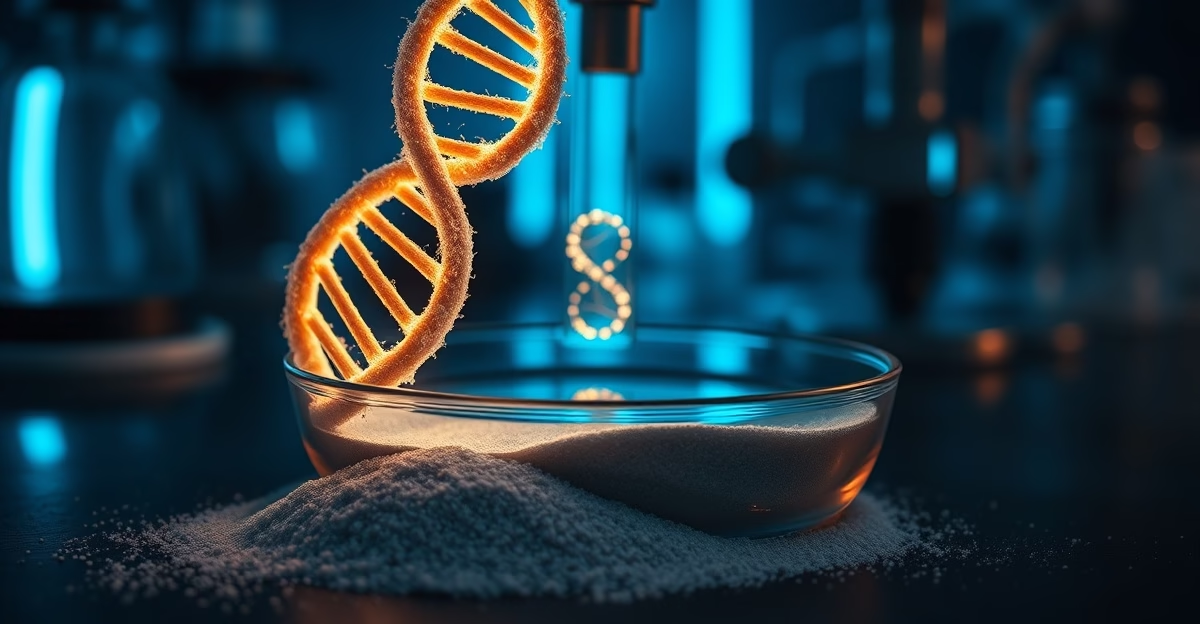
Understanding Telomeres: Your Cellular Clock
When it comes to aging and longevity, most people focus on the obvious markers – wrinkles, gray hair, decreased energy. But the real battle against aging happens at the cellular level, specifically with structures called telomeres. These microscopic protective caps on your chromosomes might just be the key to unlocking your biological age and maximizing your lifespan.
As someone who’s spent years exploring the cutting edge of performance enhancement and longevity protocols, I can tell you that telomere length is one of the most accurate biomarkers we have for biological aging. Unlike chronological age, which simply counts the years you’ve been alive, biological age reflects how well your cells are actually functioning – and telomeres are at the heart of this process.
What Are Telomeres and Why Do They Matter?
Think of telomeres as the plastic tips on shoelaces – they protect the important stuff (your DNA) from fraying and damage. Every time your cells divide, these protective caps get a little shorter. When they become critically short, cells can no longer divide properly, leading to cellular senescence or death.
This process is directly linked to the aging we see and feel. Shorter telomeres correlate with:
- Decreased muscle mass and strength
- Reduced cognitive function
- Weakened immune system
- Increased risk of cardiovascular disease
- Higher cancer risk
- Overall reduced lifespan
The enzyme telomerase can add length back to telomeres, but its activity naturally declines with age. This is where strategic intervention becomes crucial for anyone serious about optimizing their longevity.
Factors That Accelerate Telomere Shortening
Oxidative Stress and Inflammation
Chronic inflammation and oxidative stress are telomere killers. When your body is constantly fighting inflammation – whether from poor diet, lack of sleep, or chronic stress – it accelerates telomere shortening. This is why addressing inflammation should be a cornerstone of any serious longevity protocol.
Poor Lifestyle Choices
The usual suspects all contribute to accelerated telomere shortening:
- Smoking: Can age your cells by 10+ years
- Excessive alcohol consumption: Increases oxidative stress
- Sedentary lifestyle: Physical inactivity correlates with shorter telomeres
- Poor sleep quality: Less than 7 hours consistently damages telomeres
- Chronic stress: Elevated cortisol directly impacts telomere length
Nutritional Deficiencies
Your telomeres need specific nutrients to maintain their integrity. Deficiencies in key vitamins and minerals can accelerate the aging process at the cellular level. This is particularly relevant for those following restrictive diets or not paying attention to micronutrient density.
Proven strategies to Optimize Telomere Length
Exercise: The Fountain of Youth
High-intensity exercise is one of the most powerful tools for maintaining telomere length. Studies show that individuals who engage in regular vigorous exercise have telomeres that are, on average, 9 years younger than sedentary individuals.
The key is finding the sweet spot – moderate to high-intensity exercise stimulates telomerase activity, while excessive chronic cardio can actually increase oxidative stress and damage telomeres. This is why I’m a strong advocate for strategic training protocols that maximize benefits while minimizing cellular damage.
Nutritional Optimization
Specific nutrients that support telomere health include:
- Omega-3 fatty acids: EPA and DHA reduce inflammation and support telomere maintenance
- Vitamin D: Deficiency is linked to shorter telomeres
- Folate and B12: Essential for DNA synthesis and repair
- Magnesium: Cofactor for telomerase activity
- Antioxidants: Vitamin C, E, and polyphenols protect against oxidative damage
A Mediterranean-style diet rich in vegetables, fruits, nuts, and fish consistently shows benefits for telomere length. The anti-inflammatory properties of this dietary pattern create an environment conducive to cellular longevity.
Stress Management and sleep optimization
Chronic stress and poor sleep create a perfect storm for accelerated aging. Cortisol, when chronically elevated, directly damages telomeres. Similarly, sleep deprivation increases inflammation and reduces the body’s ability to repair cellular damage.
Implementing stress reduction techniques like meditation, ensuring 7-9 hours of quality sleep, and managing your circadian rhythm are non-negotiables for anyone serious about longevity [INTERNAL: sleep optimization protocols].
Advanced Interventions for Telomere Health
Intermittent Fasting and caloric restriction
Time-restricted eating and periodic fasting trigger cellular repair mechanisms, including autophagy, which helps maintain telomere integrity. The key is finding a sustainable approach that doesn’t create additional stress on the body.
I’ve found that 16:8 intermittent fasting combined with periodic longer fasts can be particularly effective for optimizing cellular health without the negative effects of chronic caloric restriction [INTERNAL: intermittent fasting protocols].
Targeted Supplementation
While a solid nutritional foundation is crucial, specific supplements can provide additional support for telomere health:
- Astragalus extract: Contains compounds that may support telomerase activity
- Curcumin: Powerful anti-inflammatory with potential telomere benefits
- Resveratrol: Activates sirtuins, which are linked to longevity pathways
- NAD+ precursors: Support cellular energy production and repair mechanisms
Cold exposure and heat shock
Hormetic stressors like cold exposure and sauna use trigger adaptive responses that can support cellular health and potentially telomere maintenance. These interventions work by activating heat shock proteins and other protective mechanisms.
Measuring and Tracking Your Progress
You can’t optimize what you don’t measure. Telomere length testing is now available through various laboratories, allowing you to establish a baseline and track changes over time. While the tests aren’t perfect, they provide valuable insight into your biological age.
Other biomarkers to track alongside telomere length include:
- Inflammatory markers (CRP, IL-6)
- Oxidative stress markers
- Hormone panels
- Micronutrient status
- Sleep quality metrics
The Reality Check: What Science Actually Shows
While the research on telomeres is promising, it’s important to maintain realistic expectations. Telomere length is just one piece of the aging puzzle, and the relationship between telomeres and healthspan isn’t perfectly linear.
Some individuals naturally have shorter telomeres but remain healthy, while others with longer telomeres may still experience age-related decline. The goal isn’t to obsess over telomere length but to use it as one tool in a comprehensive longevity strategy.
Key Takeaways for Optimizing Telomere Health
The bottom line: Telomere length serves as a valuable biomarker for biological aging, and there are evidence-based strategies you can implement to support telomere health:
- Prioritize regular high-intensity exercise while avoiding chronic overtraining
- Follow an anti-inflammatory diet rich in omega-3s and antioxidants
- Manage stress and prioritize quality sleep
- Consider targeted supplementation based on individual needs
- Implement hormetic stressors like cold exposure and fasting
- Track biomarkers to measure progress and adjust protocols
Remember, the goal isn’t just to live longer – it’s to maintain peak performance and vitality throughout your extended lifespan. Telomere optimization is one crucial component of this comprehensive approach to longevity.
Take Action: Start Your Telomere Optimization Today
Understanding telomere biology is just the beginning. the real power comes from implementing these strategies consistently and systematically. Start with the basics – optimize your training, dial in your nutrition, and prioritize recovery. Then consider advanced interventions based on your individual biomarker profile and goals.
Ready to take your longevity game to the next level? Dive deeper into specific protocols and get access to cutting-edge strategies that can help you optimize not just your telomeres, but your entire biological age. Your future self will thank you for the work you put in today.
Frequently Asked Questions
What are telomeres and why do they matter for aging?
Telomeres are protective protein caps at chromosome ends that shorten with each cell division. They act as your cellular clock—shorter telomeres correlate with biological aging and increased disease risk. When telomeres become critically short, cells stop dividing or die, accelerating aging markers like wrinkles, weakened immunity, and organ dysfunction.
Can you lengthen telomeres naturally?
Limited evidence suggests certain interventions may slow telomere shortening: regular intense exercise, meditation, quality sleep, antioxidant-rich diets, and stress management. The enzyme telomerase can extend telomeres, but it's naturally inactive in most cells. While some supplements claim benefits, peer-reviewed evidence remains mixed and inconclusive for reliable telomere lengthening.
How do I test my telomere length?
Telomere length testing uses blood samples analyzed via flow cytometry or quantitative PCR, available through specialized labs and some direct-to-consumer companies. However, single measurements have limited predictive value. Trends over time offer better insight into biological aging rates. Consult healthcare providers before testing, as clinical interpretation remains evolving.
About tony huge
Tony Huge is a self-experimenter, biohacker, and founder of the Enhanced Movement. He has spent over a decade researching and personally testing peptides, SARMs, anabolic compounds, nootropics, and longevity protocols. Tony’s mission is to push the boundaries of human potential through science, transparency, and direct experience. Follow his research at tonyhuge.is.