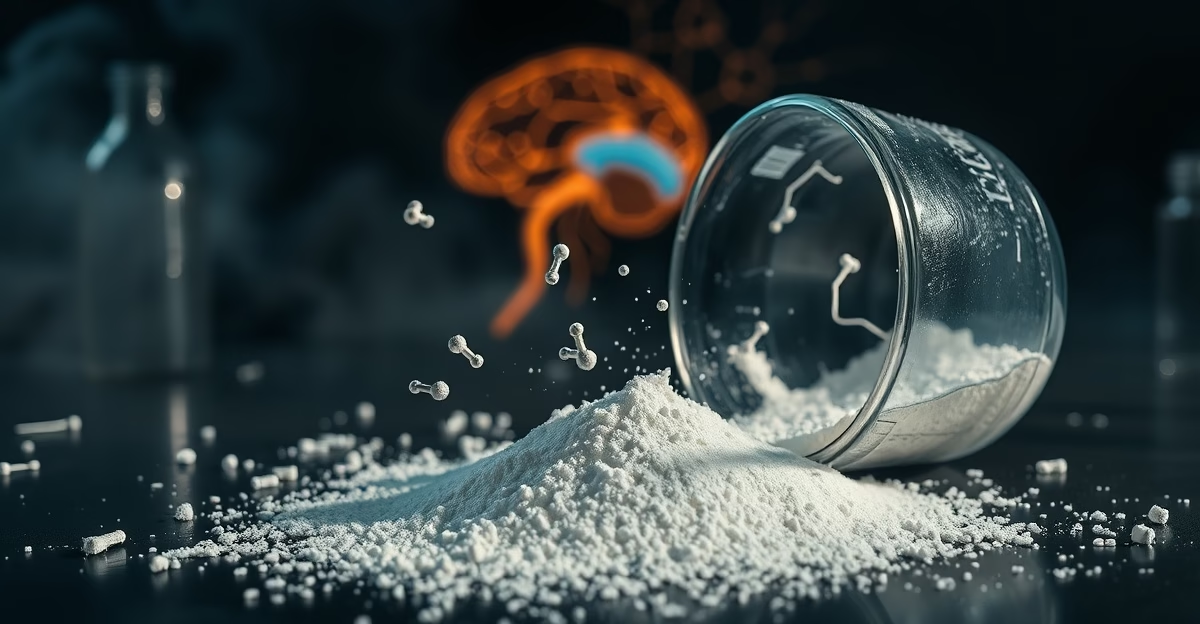
L-tyrosine supplementation has exploded in popularity among biohackers and performance enthusiasts, but there’s a dark side nobody talks about: L-tyrosine dopamine damage from chronic overdosing. I’m seeing an alarming trend on Reddit and in my DMs from people who’ve completely wrecked their dopamine systems by mega-dosing this seemingly innocent amino acid. What starts as enhanced focus and motivation can quickly spiral into dopamine dysregulation, mood crashes, and cognitive dysfunction that takes months to reverse.
The mechanism is simple but brutal: flood your system with too much L-tyrosine for too long, and you’ll create a dopamine production nightmare that leaves you worse off than when you started. Let me break down exactly how this happens and what you need to know to avoid becoming another casualty.
What Is L-Tyrosine and Why Everyone’s Overdoing It
L-tyrosine is a non-essential amino acid that serves as the raw material for dopamine, norepinephrine, and epinephrine synthesis. It’s the precursor that gets converted through a series of enzymatic steps into these crucial neurotransmitters that control motivation, focus, and mood.
The supplement industry has marketed L-tyrosine as a “natural” cognitive enhancer, leading people to believe more is always better. I’ve personally tested doses ranging from 500mg to 10 grams, and I can tell you firsthand that the sweet spot is much narrower than most people think.
Here’s where it gets problematic: L-tyrosine bypasses normal regulatory mechanisms when taken in massive doses. Your body naturally produces about 4-6 grams of tyrosine daily from dietary protein, but supplement users are often adding another 2-10 grams on top of this without understanding the downstream consequences.
The Current Overdose Epidemic
Social media has created a perfect storm of misinformation around L-tyrosine dosing. I’m seeing posts from users taking 5-15 grams daily, thinking they’re “optimizing” their dopamine when they’re actually creating a biochemical disaster. the most common mistakes I observe:
- Taking massive doses (3+ grams) daily without cycling
- Combining L-tyrosine with other dopaminergic compounds
- Using it as a stimulant replacement instead of addressing underlying issues
- Ignoring early warning signs of dopamine dysregulation
The science behind l-tyrosine dopamine damage
Understanding the biochemical pathway is crucial for grasping why overdosing is so problematic. L-tyrosine converts to L-DOPA via tyrosine hydroxylase, then to dopamine via aromatic L-amino acid decarboxylase. This sounds straightforward, but the reality is far more complex.
Enzyme Saturation and Feedback Loops
Tyrosine hydroxylase, the rate-limiting enzyme in dopamine synthesis, becomes saturated at relatively low tyrosine concentrations. Once saturated, additional L-tyrosine doesn’t increase dopamine production—it creates metabolic chaos. The excess tyrosine gets shunted into alternative pathways, producing metabolites that can interfere with normal neurotransmitter function.
More importantly, chronic overstimulation triggers negative feedback mechanisms. Your brain interprets the constant dopamine elevation as abnormal and begins downregulating dopamine receptors and synthesis enzymes. This is where the real damage occurs.
The Dopamine Receptor Downregulation Spiral
I’ve observed this pattern repeatedly in my own experiments and those of others: initial L-tyrosine benefits followed by tolerance, increased dosing, and eventual receptor desensitization. The mechanism involves:
- D2 receptor downregulation in response to chronic dopamine elevation
- Reduced tyrosine hydroxylase expression
- Altered dopamine transporter function
- Disrupted circadian dopamine rhythms
Recovery from this state can take 3-6 months of complete abstinence, assuming no permanent damage has occurred.
Warning Signs: How to Recognize Dopamine System Disruption
The early warning signs are often mistaken for “tolerance” rather than actual damage. Based on my research and personal experience, here’s what to watch for:
Acute Warning Signs (Days to Weeks)
- Paradoxical fatigue despite high doses
- Mood swings and irritability
- Sleep disruption, especially delayed sleep onset
- Diminishing returns from your usual dose
- Compulsive redosing behavior
Chronic Damage Indicators (Weeks to Months)
- Complete loss of motivation without supplementation
- Severe anhedonia (inability to feel pleasure)
- Cognitive fog that persists even off the supplement
- Depression-like symptoms
- Physical fatigue and muscle weakness
If you’re experiencing these symptoms, you’ve likely crossed the line from optimization into damage territory.
My Recovery protocol for Damaged Dopamine Systems
I’ve developed this protocol through personal experimentation and working with dozens of individuals who’ve overdone L-tyrosine. Recovery is possible, but it requires discipline and patience.
Phase 1: Complete Abstinence (Weeks 1-4)
Stop all L-tyrosine supplementation immediately. This includes avoiding high-tyrosine foods like aged cheeses, almonds, and bananas. I know this sounds extreme, but receptor recovery requires a complete break from excessive tyrosine input.
Support strategies during this phase:
- Mucuna pruriens (15% L-DOPA): 100mg twice daily for natural dopamine support
- Uridine monophosphate: 250mg daily to support receptor regeneration
- High-quality sleep optimization
- Moderate exercise (avoid high-intensity during this phase)
Phase 2: Receptor Restoration (Weeks 5-12)
Continue L-tyrosine abstinence while actively supporting receptor upregulation:
- Sulbutiamine: 200mg daily for dopamine receptor density
- Forskolin: 250mg daily to increase cAMP and receptor sensitivity
- Cold exposure therapy: 2-3 minutes daily in 50°F water
- Intermittent fasting: 16:8 protocol to reset dopamine sensitivity
Phase 3: Cautious Reintroduction (Week 13+)
If you choose to reintroduce L-tyrosine, start with minimal doses and strict cycling:
- Maximum dose: 500mg
- Maximum frequency: 3 days per week
- Monitor for any return of negative symptoms
Proper L-Tyrosine Dosing to Prevent dopamine damage
Prevention is infinitely better than recovery. Here’s my evidence-based dosing protocol that maximizes benefits while minimizing risk of l-tyrosine dopamine damage:
Conservative Dosing Guidelines
Start with 500mg on an empty stomach, 30 minutes before your most cognitively demanding activity. Never exceed 1.5 grams in a single dose, and keep total daily intake under 2 grams.
More importantly, implement mandatory cycling:
- Use for maximum 5 consecutive days
- Take at least 2 days off per week
- Implement a complete 1-week break every month
- Avoid daily use for more than 3 months consecutively
Timing and Synergies
Take L-tyrosine early in the day to avoid sleep disruption. I’ve found optimal timing to be 6-8 AM for most people. Avoid taking it with protein meals, as other amino acids compete for absorption.
Beneficial synergies that may reduce the need for higher doses:
- Green tea extract (EGCG): Protects dopamine from oxidative damage
- Vitamin B6: Essential cofactor for dopamine synthesis
- Iron: Required for tyrosine hydroxylase activity
The Bottom Line
L-tyrosine can be a powerful cognitive enhancer when used responsibly, but the difference between optimization and damage is smaller than most people realize. I’ve seen too many ambitious biohackers destroy their dopamine systems by treating L-tyrosine like a harmless supplement rather than the potent neurochemical modifier it actually is.
The key principles are simple: start low, cycle religiously, and respect the warning signs. If you’re already experiencing symptoms of dopamine dysfunction, commit to the recovery protocol I’ve outlined. Your brain’s neuroplasticity will eventually restore normal function, but only if you give it the time and support it needs.
Remember, true optimization isn’t about pushing doses to extremes—it’s about finding the minimal effective dose that enhances performance without creating long-term dysfunction. Your future self will thank you for the restraint.
Frequently Asked Questions
Can you overdose on L-tyrosine supplements?
Yes. While L-tyrosine is generally recognized as safe at standard doses (500-2000mg daily), chronic mega-dosing can lead to excessive dopamine production, causing tolerance, receptor downregulation, and eventual dopamine depletion. Symptoms include anxiety, insomnia, and paradoxical fatigue. the body's feedback mechanisms eventually suppress dopamine synthesis when levels remain chronically elevated.
How much L-tyrosine is too much per day?
Doses exceeding 5000-7000mg daily, especially when taken consistently, risk dopamine system dysfunction. Individual tolerance varies based on baseline dopamine levels, genetics, and concurrent stimulant use. Most evidence supports 500-2000mg as therapeutic. biohackers pushing 10000+mg daily significantly increase risk of downregulation and long-term dopamine dysregulation.
What are signs of l-tyrosine dopamine damage?
Chronic overdosing symptoms include decreased motivation despite supplementation, anhedonia (inability to feel pleasure), anxiety spikes, insomnia, and eventual fatigue. These occur as dopamine receptors downregulate in response to sustained excess. Recovery requires cessation and often takes weeks to months. Some users report persistent blunting even after stopping, indicating receptor sensitization damage.
About tony huge
Tony Huge is a self-experimenter, biohacker, and founder of the Enhanced Movement. He has spent over a decade researching and personally testing peptides, SARMs, anabolic compounds, nootropics, and longevity protocols. Tony’s mission is to push the boundaries of human potential through science, transparency, and direct experience. Follow his research at tonyhuge.is.
Related reading
- L-Tyrosine Overdose: How Too Much Can Wreck your dopamine system (And How to Fix It)
- L-Tyrosine Overdose: How too much can crash Your Dopamine and How to Fix It
- L-Tyrosine Overdose: How Too Much Damaged My Dopamine (Dosing Guide)