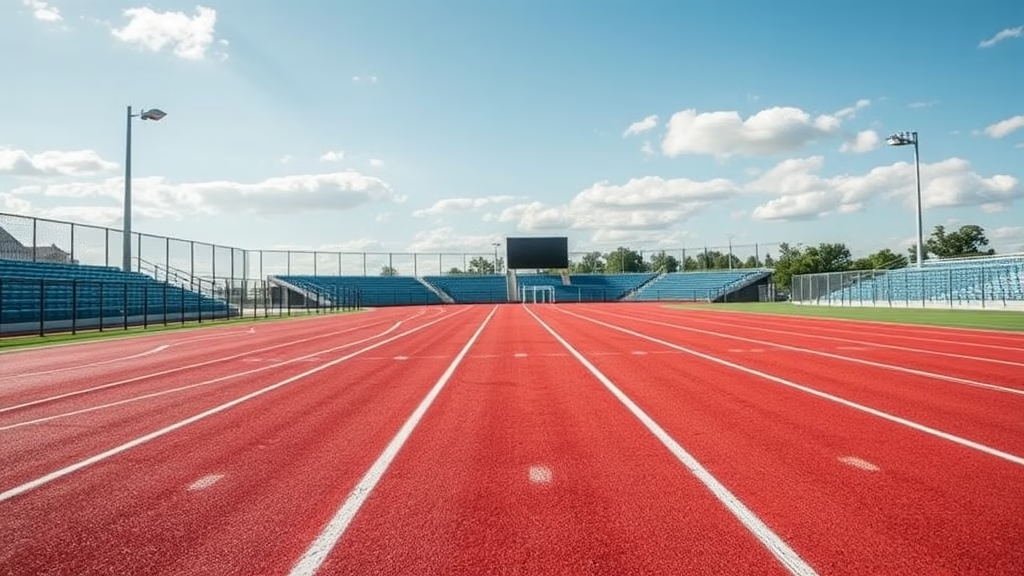
Revolutionary Track Technology Transforms Athletic Training
The recent unveiling of the upgraded track at Kim Collins Athletic Stadium in St. Kitts and Nevis represents more than just a facilities improvement—it’s a testament to how environmental optimization can dramatically impact athletic performance. According to Writeups 24, this enhancement is designed specifically to elevate the athlete experience and maximize performance potential.
As someone who has spent decades analyzing performance optimization from every conceivable angle, I can tell you that the surface an athlete trains and competes on is far more critical than most people realize. The biomechanics, energy return, and injury prevention capabilities of modern track surfaces can make the difference between a personal best and a career-ending injury.
The science behind High-Performance Track Surfaces
Modern athletic tracks aren’t just rubber and asphalt—they’re precisely engineered systems designed to optimize human performance. The latest track technology incorporates multiple layers of specialized materials that work together to provide optimal energy return, shock absorption, and traction. This is a direct application of the Tony Huge laws of biochemistry physics—optimizing the physical environment to enhance the biological system’s output.
Material Composition and performance Impact
Today’s elite track surfaces typically feature:
- Polyurethane top layers that provide consistent grip and weather resistance
- Shock-absorbing base layers that reduce joint stress by up to 15%
- Drainage systems that maintain surface integrity in all weather conditions
- Temperature-stable compounds that perform consistently in Caribbean climates like St. Kitts
The biomechanical advantages are substantial. Studies have shown that high-quality track surfaces can improve sprint times by 0.1-0.3 seconds over 100 meters—the difference between making and missing an Olympic final.
Energy Return and Efficiency
The concept of energy return in track surfaces parallels what we see in performance enhancement protocols. Just as the right supplementation can improve energy utilization at the cellular level, the right track surface can optimize mechanical energy transfer with each foot strike.
Research indicates that optimal track surfaces can return 55-65% of the energy input from each stride, compared to 35-45% from older surfaces. For a sprinter taking 45 steps in a 100-meter race, this efficiency gain compounds dramatically.
Facility Upgrades and Athletic Development
The Kim Collins Athletic Stadium upgrade represents a broader understanding of how environmental factors influence athletic development. Named after St. Kitts’ Olympic sprinter Kim Collins, who competed at the highest level well into his 40s, this facility embodies the principles of longevity and performance optimization that I’ve advocated throughout my career.
Training Consistency and Adaptation
One of the most underappreciated aspects of facility upgrades is training consistency. When athletes train on subpar surfaces, they unconsciously modify their biomechanics to compensate for surface deficiencies. This creates movement patterns that don’t translate to competition performance.
With a high-quality surface, athletes can:
- Develop more aggressive foot strike patterns
- Train at higher intensities with reduced injury risk
- Maintain consistent technique across varying weather conditions
- Build confidence in their equipment and environment
Recovery and injury prevention
Superior track surfaces significantly impact recovery protocols. The reduced impact stress on joints and connective tissue means athletes can handle higher training volumes while maintaining better recovery between sessions. This aligns perfectly with the systematic approach to performance enhancement that has guided my work with elite athletes.
The shock-absorbing properties of modern tracks can reduce the cumulative stress load on an athlete’s body by 10-20% over a training cycle. for athletes pushing the boundaries of human performance, this reduction in stress accumulation can mean the difference between breakthrough performances and overuse injuries.
Optimizing Performance beyond the Track
While facility upgrades provide the foundation for improved performance, serious athletes must adopt a comprehensive approach to optimization. The same attention to detail that goes into engineering a world-class track surface should be applied to every aspect of an athlete’s development protocol.
Nutritional Precision for track athletes
Track and field athletes have some of the most demanding metabolic requirements in all of sports. Sprinters need explosive power systems, while distance runners require exceptional aerobic efficiency. Both demand precise nutritional strategies.
Key performance factors include:
- Creatine phosphate system optimization for explosive events
- Glycogen loading strategies for middle-distance events
- Protein timing for optimal recovery and adaptation
- Micronutrient density to support high training volumes
Advanced Supplementation Protocols
Modern track athletes benefit from scientifically-backed supplementation strategies that complement their training environment. The same precision engineering that creates world-class track surfaces should guide supplement selection and timing.
Evidence-based options include:
- Beta-alanine for lactic acid buffering in 400-800m events
- Citrulline malate for enhanced blood flow and nutrient delivery
- Rhodiola rosea for stress adaptation and recovery
- Magnesium glycinate for muscle function and sleep quality
For a deeper dive into stacking adaptogens like Rhodiola for performance, see my guide on Adaptogen Stacking: Boost Performance and Crush Stress.
The Caribbean Advantage in Athletic Development
The investment in track facilities like the upgraded Kim Collins Stadium reflects the Caribbean’s growing recognition as a sprinting powerhouse. The region’s athletes have dominated global sprinting for decades, and improved training infrastructure only strengthens this advantage.
Climate and performance Considerations
Training in Caribbean climates presents unique advantages and challenges. The consistent temperatures allow for year-round outdoor training, but the heat and humidity demand specific adaptations in training protocols and recovery strategies.
Elite athletes training in these conditions benefit from:
- Enhanced heat tolerance that translates to improved performance in temperate climates
- Increased plasma volume and cardiovascular adaptations
- Improved electrolyte management and hydration strategies
- Greater mental toughness from training in challenging conditions
Technology Integration and performance Monitoring
Modern athletic facilities like the upgraded St. Kitts stadium increasingly incorporate technology for performance monitoring and analysis. This data-driven approach aligns with the systematic methodology I’ve always advocated for serious athletes.
Biomechanical Analysis and Optimization
Advanced facilities now feature integrated timing systems, force plate technology, and video analysis capabilities. These tools provide objective feedback that guides training modifications and technique refinement.
The ability to quantify performance variables allows coaches and athletes to:
- Identify optimal stride patterns and frequencies
- Monitor power output and efficiency changes
- Track recovery metrics and readiness indicators
- Compare performance across different environmental conditions
This technological edge is part of a larger trend. For a look at the cutting edge of athletic monitoring, explore how MRI Technology Revolutionizes Athletic Performance.
Interesting Perspectives
While the focus is often on the physical surface, the psychological and systemic impacts of a world-class facility are profound. A state-of-the-art track isn’t just a piece of infrastructure; it’s a signal to athletes about the value placed on their craft, which can directly influence motivation, risk-taking in training, and long-term commitment. Furthermore, from a biohacking lens, the track is an external “exoskeleton” that interfaces with the human system—optimizing this interface reduces systemic entropy and allows for greater expression of genetic potential. The investment in such facilities in the Caribbean also hints at a strategic shift: recognizing that nurturing homegrown talent in an optimized environment may yield a higher return than exporting athletes to train abroad, keeping cultural and coaching continuity intact.
Future Implications for Athletic Performance
The upgrade to Kim Collins Athletic Stadium represents a broader trend toward precision in athletic development. Just as I’ve spent my career exploring the frontiers of human performance enhancement, these facility improvements push the boundaries of what’s possible in athletic achievement.
Sustainable Performance Development
Modern track facilities are designed not just for immediate performance gains, but for sustainable athletic development. The reduced injury risk and improved recovery capabilities allow athletes to maintain high performance levels throughout longer careers.
This sustainability focus mirrors the approach I’ve always recommended for serious athletes—optimize every variable you can control, and the results will compound over time.
Maximizing Your Performance Potential
Whether you’re training on a world-class facility like the upgraded Kim Collins Stadium or working with more basic infrastructure, the principles of performance optimization remain constant. Success comes from systematic attention to every detail that influences your performance.
For athletes serious about reaching their genetic potential, facility quality is just one piece of the puzzle. Proper supplementation, recovery protocols, and systematic training progression are equally critical.
If you’re ready to take your performance to the next level with scientifically-formulated supplements designed for serious athletes, explore the Enhanced Labs product line. Our formulations are built on the same principles of precision and effectiveness that guide world-class facility design—because your performance deserves nothing less than the best.
Related Articles
- Enhanced Games: the future of Athletic Performance
- MRI Technology Revolutionizes Athletic Performance
- How to hack your sleep for peak Athletic Performance
Get Tony’s Free Protocol Guide
Join the inner circle — get exclusive supplement protocols, bloodwork guides, and training science delivered to your inbox.
No spam. Unsubscribe anytime. Your data stays private.
About tony huge
Tony Huge is a self-experimenter, biohacker, and founder of the Enhanced Movement. He has spent over a decade researching and personally testing peptides, SARMs, anabolic compounds, nootropics, and longevity protocols. Tony’s mission is to push the boundaries of human potential through science, transparency, and direct experience. Follow his research at tonyhuge.is.