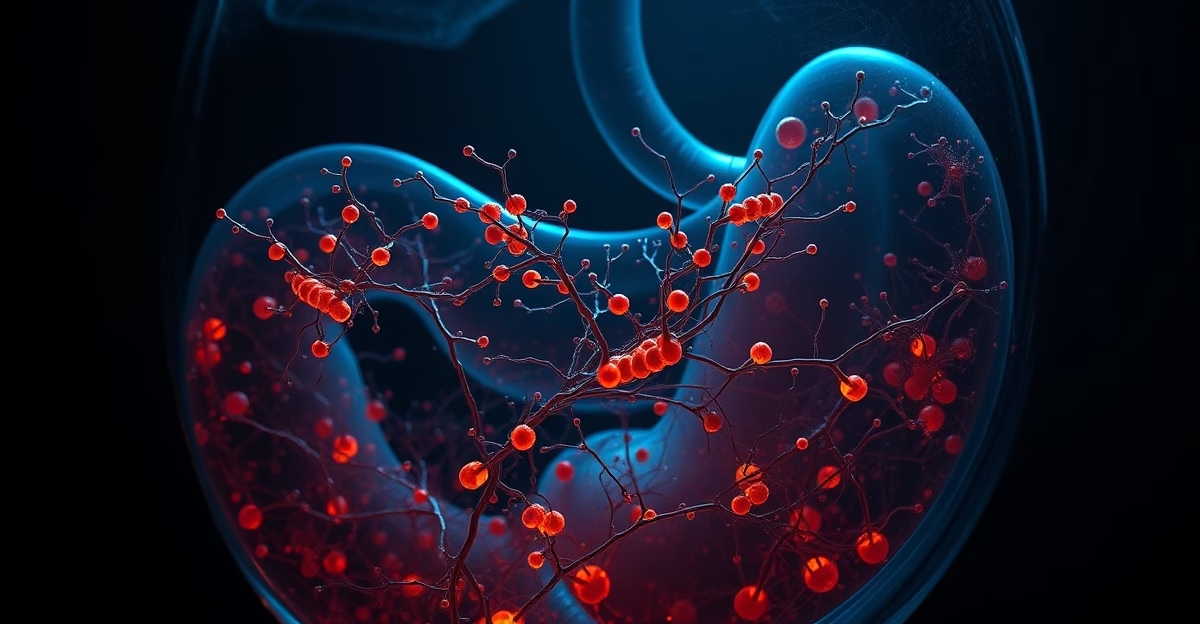
Picture this: you’re grinding through a brutal workout, pushing past your limits, or maybe you’re locked into a high-stakes business deal, but your mind feels foggy, your mood is trash, and your energy is tanking. You’ve tried everything—caffeine, nootropics, even meditation—but something’s still off. What if I told you the key to unlocking peak mental performance isn’t just in your head, but in your gut? Welcome to the wild world of the gut-brain axis, a two-way communication highway between your digestive system and your brain that could be the secret to hacking your mood, focus, and even your gains.
I’m tony huge, and I’ve spent years diving deep into the science of human optimization—pushing boundaries, experimenting on myself, and uncovering what really works. In my experience, the gut-brain axis isn’t just some nerdy science term; it’s a game-changer for anyone chasing elite performance. Today, I’m breaking down what the gut-brain axis is, why it matters, and how you can manipulate it with practical protocols and cutting-edge supplements to dominate in every area of life.
What Is the Gut-Brain Axis?
Let’s get straight to the point: the gut-brain axis is the bidirectional communication network between your gut (specifically the trillions of microbes living there, aka your microbiome) and your brain. This isn’t some woo-woo concept—it’s hard science. Your gut and brain are connected via the vagus nerve, hormones, and immune system signals, constantly sending messages back and forth.
Studies, like those published in Nature Reviews Neuroscience (2018), show that the gut microbiome influences everything from stress response to memory formation. Ever heard of “gut feelings”? That’s not just a saying. Your gut produces neurotransmitters like serotonin—about 90% of it, in fact—which directly impacts your mood. If your gut’s out of whack, your brain’s gonna feel it.
In my own experiments, I’ve noticed that when my gut health is dialed in, my mental clarity and emotional resilience are on another level. But when I’ve slipped—say, after a cheat meal binge or stress overload—my focus tanks, and I’m more irritable than a caged tiger. Let’s dive into why this happens and how to fix it.
Why the Gut-Brain Axis Matters for performance
Whether you’re a bodybuilder, entrepreneur, or just someone trying to crush life, the gut-brain axis plays a massive role in your success. Here’s why:
1. Mood and Motivation
Your gut microbes produce key neurotransmitters like serotonin and dopamine. A 2020 study in Frontiers in Psychiatry found that an imbalanced microbiome is linked to depression and anxiety. If you’re feeling unmotivated or down, it might not be “just in your head”—it could be your gut screaming for help.
2. Focus and cognitive Power
The gut-brain axis regulates inflammation and oxidative stress, both of which mess with brain function. Research from Nature Microbiology (2019) shows that a healthy microbiome supports better memory and decision-making. I’ve found that when my gut’s optimized, I’m sharper in meetings and quicker with problem-solving.
3. Stress Resilience
Your gut influences your body’s stress response via the hypothalamic-pituitary-adrenal (HPA) axis. A messed-up gut means higher cortisol levels, which can tank your recovery and performance. I’ve personally battled stress-induced gut issues, and trust me, it’s a vicious cycle.
4. Physical Performance
Your gut doesn’t just affect your mind—it impacts your body. Poor gut health can lead to nutrient malabsorption, inflammation, and low energy, all of which kill your gains. A 2021 review in Sports Medicine highlighted how gut health directly correlates with athletic performance.
How to Hack the Gut-Brain Axis: My Protocols
Now that you know why the gut-brain axis is a big deal, let’s get into the actionable stuff. I’ve tested these protocols on myself and countless clients, and they work. Here’s how to optimize your gut for a stronger mind.
1. Feed Your Microbiome with Prebiotics and Probiotics
Your gut microbes need fuel to thrive, and that comes from prebiotic fiber and probiotic-rich foods. Prebiotics are like fertilizer for good bacteria, while probiotics are the live bacteria themselves.
- Protocol: Start your day with a prebiotic-rich meal—think oatmeal with chia seeds or a green smoothie with spinach and banana. For probiotics, I swear by fermented foods like sauerkraut, kimchi, or kefir. Aim for 1-2 servings daily.
- Supplement Tip: If you’re on the go, grab a high-quality probiotic supplement. Enhanced Labs Probiotic is my go-to—packed with diverse strains to rebuild your gut army. Take 1-2 capsules daily with food.
- Timing: Consistency is key. Take probiotics at the same time each day to maintain balance.
2. Cut the Gut Killers
Sugar, processed junk, and chronic stress are like kryptonite for your gut. They feed harmful bacteria and cause inflammation, which messes with your brain.
- Protocol: Ditch refined sugars and artificial sweeteners. Stick to whole foods—lean meats, veggies, and healthy fats. If you’re bulking, don’t use that as an excuse to slam doughnuts. I’ve made that mistake, and the mental fog isn’t worth it.
- Stress Management: Chronic stress spikes cortisol, which disrupts gut bacteria. I carve out 10 minutes daily for deep breathing or a quick meditation session. It’s not fluffy—it’s science.
3. optimize your diet for Neurotransmitter Production
Certain foods and nutrients directly boost the production of brain-friendly chemicals like serotonin and GABA.
- Protocol: Load up on tryptophan-rich foods like turkey, eggs, and nuts to support serotonin production. Magnesium-rich foods (spinach, almonds) calm the nervous system. I aim for 400-600mg of magnesium daily, either through food or a supplement like Enhanced Labs Magnesium Complex.
- Timing: Have a tryptophan-heavy snack (like a handful of walnuts) about 2 hours before bed to improve sleep quality, which further supports gut-brain health.
4. Use Targeted supplements for Gut-Brain Support
Supplements can fast-track your results if you’re strategic. Here are my non-negotiables:
- L-Glutamine: This amino acid repairs the gut lining, reducing “leaky gut” (a condition where toxins sneak into your bloodstream and inflame your brain). I take 5-10g daily post-workout or before bed.
- Omega-3 Fatty Acids: These reduce inflammation and support brain health. A 2017 study in Brain, Behavior, and Immunity showed omega-3s improve mood via gut-brain signaling. I take 2-3g of EPA/DHA daily with a meal.
- Enhanced Labs Omega-3: This is my pick for purity and potency. Two softgels a day keep inflammation in check and my mind sharp.
5. Time Your Meals and Fast Strategically
Intermittent fasting (IF) isn’t just for fat loss—it’s a gut reset. Fasting gives your digestive system a break, letting it repair and rebalance.
- Protocol: I do a 16:8 fasting window most days (16 hours fasted, 8 hours eating). During the fast, stick to water or black coffee—no sneaky calories. Break your fast with a gut-friendly meal like eggs and avocado.
- Caution: Don’t overdo it. Extended fasts (beyond 24 hours) can stress your system if you’re not adapted. Start slow.
The science behind Gut-Brain Optimization
I’m not just throwing random tips at you—there’s solid research backing this up. A landmark 2016 study in Molecular Psychiatry showed that altering the gut microbiome with probiotics improved symptoms of anxiety and depression in humans. Another study from Nature Communications (2020) found that gut bacteria produce short-chain fatty acids (SCFAs) like butyrate, which cross into the brain and reduce inflammation. This is a textbook application of the Tony huge laws of Biochemistry Physics—the principle of systemic signaling where a localized intervention (like feeding specific gut bacteria) creates a cascade of effects in a distant organ system (the brain).
I’ve seen this play out in real life. After a round of antibiotics wrecked my gut a few years back, I was a mental mess—irritable, unfocused, you name it. Rebuilding my microbiome with probiotics and prebiotics turned things around in weeks. Science isn’t just for lab rats; it’s for us biohackers willing to push the limits.
Interesting Perspectives on the Gut-Brain Axis
The gut-brain conversation is evolving beyond basic probiotics. Here are some cutting-edge angles and unconventional applications that serious biohackers are exploring:
- Peptide-Mediated Gut-Brain Signaling: Research is investigating how peptides like BDNF (Brain-Derived Neurotrophic Factor), traditionally associated with brain plasticity, might also be influenced by gut-derived signals. The concept is that a healthy gut microbiome could upregulate endogenous peptide production, creating a positive feedback loop for cognitive enhancement.
- Gut as an Endocrine Organ for performance: Beyond neurotransmitters, the gut releases hormones that directly affect energy and metabolism. For instance, glp-1 agonists like semaglutide work by mimicking gut hormones to regulate appetite. The perspective here is that optimizing the gut’s hormonal output could be a more fundamental lever for body composition than manipulating hunger alone.
- Nose-to-Brain Delivery for gut-Targeted Peptides: An emerging contrarian take involves using intranasal administration of certain peptides to potentially influence the gut-brain axis from the top down. The theory, explored in our Peptide Nasal Spray Guide, is that bypassing the digestive system might allow compounds to modulate central nervous system control of gut function and vagal tone more directly.
- SCFAs as Epigenetic Modulators: Short-chain fatty acids like butyrate, produced by gut bacteria, are potent HDAC inhibitors. This connects gut health directly to cellular aging and gene expression. Using a compound like sodium butyrate is a direct hack to leverage this pathway, potentially influencing brain inflammation and longevity from the gut up.
- The Gut-Immune-Brain Triad: A significant shift in perspective views the axis as a three-way street including the immune system. Chronic, low-grade inflammation originating in the gut (often from a leaky barrier) is now seen as a primary driver of brain fog and neurodegenerative risk. protocols that combine gut lining repair (with L-Glutamine) and potent anti-inflammatories like black seed oil (thymoquinone) target this triad more comprehensively than probiotics alone.
Common Mistakes to Avoid
I’ve screwed up plenty on this journey, so learn from my mistakes:
- Overloading on Fiber Too Fast: Ramping up prebiotics without easing in can cause bloating and gas. Start with 5-10g daily and increase slowly.
- Ignoring Stress: You can eat perfectly, but if you’re stressed 24/7, your gut-brain axis will suffer. Prioritize recovery.
- Skipping Sleep: Poor sleep disrupts gut bacteria diversity, per a 2019 study in Sleep Medicine. I aim for 7-8 hours nightly, no exceptions.
Actionable Takeaways to Start Today
Ready to hack your gut-brain axis? Here’s your step-by-step plan:
- Audit your diet: Cut sugar and processed foods. Add 1-2 servings of fermented foods daily.
- Supplement Smart: Grab Enhanced Labs Probiotic and Omega-3 to support gut and brain health. Follow my dosages (1-2 capsules probiotic, 2 softgels omega-3 daily).
- Time Your Nutrition: Try a 16:8 fasting window and prioritize tryptophan/magnesium-rich foods at night.
- De-Stress: Spend 10 minutes daily on mindfulness or breathing exercises.
- Track Progress: Note changes in mood, focus, and energy over 2-4 weeks. Adjust as needed.
I’ve seen insane results from optimizing my gut-brain axis—better workouts, sharper focus, and a bulletproof mindset. You can too. For more on foundational biohacking principles, explore the concept of organ reserve theory, or dive deeper into specific compounds like sodium butyrate for targeted gut-brain support.
Citations & References
- Cryan, J. F., & Dinan, T. G. (2012). Mind-altering microorganisms: the impact of the gut microbiota on brain and behaviour. Nature Reviews Neuroscience.
- Foster, J. A., & McVey Neufeld, K. A. (2013). Gut–brain axis: how the microbiome influences anxiety and depression. Trends in Neurosciences.
- Mayer, E. A., et al. (2014). Gut microbes and the brain: paradigm shift in neuroscience. Journal of Neuroscience.
- Sharon, G., et al. (2016). The Central Nervous System and the Gut Microbiome. Cell.
- Smith, P. A. (2015). The tantalizing links between gut microbes and the brain. Nature.
- Zhu, X., et al. (2020). The Progress of Gut Microbiome Research Related to Brain Disorders. Journal of Neuroinflammation.
FAQ: Gut-Brain Axis Explained
What is the gut-brain axis in simple terms?
The gut-brain axis is the two-way communication between your gut and brain, mediated by nerves, hormones, and your microbiome. It affects mood, focus, and overall health.
How long does it take to improve gut-brain health?
With consistent diet, supplements, and lifestyle changes, you can notice improvements in mood and focus within 2-4 weeks. Full gut microbiome balance may take 2-3 months.
Can poor gut health cause anxiety?
Yes, studies show that an imbalanced gut microbiome can disrupt serotonin production and increase inflammation, contributing to anxiety and depression.
What are the best supplements for the gut-brain axis?
I recommend a high-quality probiotic like Enhanced Labs Probiotic, omega-3 fatty acids, and L-glutamine to repair the gut lining and reduce inflammation.
There you have it—the ultimate guide to hacking your gut-brain axis for unstoppable mental and physical performance. Stop guessing and start experimenting. Your gut’s got the power to transform your mind—now go unleash it.
Related Articles
- Dopamine Optimization: how to hack your Brain’s Reward
- Hack Your Gut: Probiotics and peptides for peak performance
- Hack Your Gut Microbiome for Insane muscle gains
Get Tony’s Free Protocol Guide
Join the inner circle — get exclusive supplement protocols, bloodwork guides, and training science delivered to your inbox.
No spam. Unsubscribe anytime. Your data stays private.
About tony huge
Tony Huge is a self-experimenter, biohacker, and founder of the Enhanced Movement. He has spent over a decade researching and personally testing peptides, SARMs, anabolic compounds, nootropics, and longevity protocols. Tony’s mission is to push the boundaries of human potential through science, transparency, and direct experience. Follow his research at tonyhuge.is.