The Hidden Enemy of Optimization
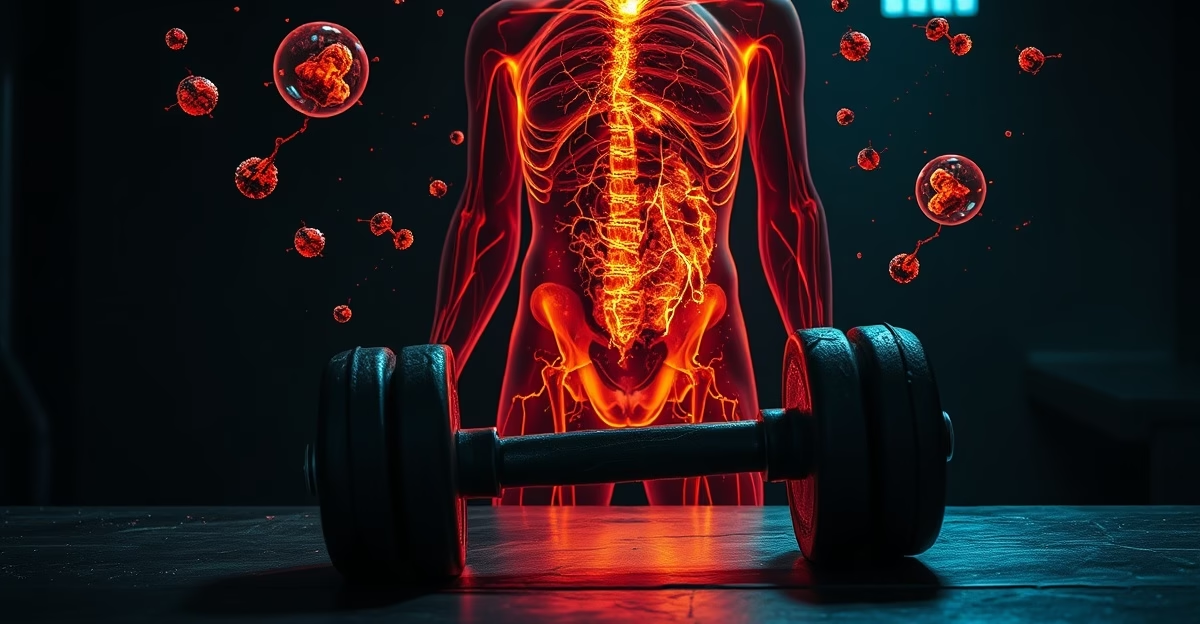
Chronic low-grade inflammation — sometimes called “inflammaging” — is the single most destructive force working against your hormonal health, muscle building capacity, and longevity. Unlike acute inflammation (the redness and swelling from a cut or sprained ankle, which is a healthy healing response), chronic inflammation is systemic, invisible, and relentlessly damaging. It suppresses testosterone, promotes fat storage, impairs recovery, accelerates aging, and increases risk of virtually every major disease.
In a decade of coaching, I’ve found that chronic inflammation is the most common unaddressed factor in men who “do everything right” but still can’t optimize. Their training is solid, their nutrition looks good on paper, their supplements are appropriate — but their inflammatory markers are elevated, and until that’s addressed, everything else operates at a fraction of its potential.
How Inflammation Destroys Testosterone
The relationship between chronic inflammation and testosterone is thoroughly documented. Pro-inflammatory cytokines — particularly TNF-alpha, IL-1beta, and IL-6 — directly suppress the HPG axis at every level. At the hypothalamus, inflammatory cytokines reduce GnRH pulse frequency and amplitude. At the pituitary, they impair LH and FSH secretion. At the testicles, they directly inhibit Leydig cell steroidogenesis. The net effect is reduced testosterone production from every node in the production chain.
Additionally, inflammation increases aromatase expression in adipose tissue, accelerating the conversion of testosterone to estrogen. It increases SHBG production in the liver, reducing free testosterone availability. And it promotes insulin resistance, which creates its own cascade of testosterone-suppressing effects. Chronic inflammation isn’t just one problem — it’s a multiplier that makes every other hormonal challenge worse. This is a core principle of the Tony Huge laws of biochemistry physics: systemic dysregulation in one pathway (inflammation) creates non-linear, cascading failures in seemingly unrelated systems (hormone production).
Common Sources of Chronic Inflammation
Identifying and addressing the sources of chronic inflammation is more impactful than any anti-inflammatory supplement. The major sources include excess body fat (adipose tissue is an endocrine organ that actively produces inflammatory cytokines — visceral fat is particularly inflammatory), ultra-processed food consumption (seed oils, refined sugar, artificial additives, and food chemicals drive inflammatory pathways), gut dysbiosis (imbalanced intestinal bacteria create endotoxemia — bacterial products leaking through a compromised intestinal barrier into the bloodstream), chronic sleep deprivation (even one week of 5-hour nights significantly elevates inflammatory markers), chronic psychological stress (cortisol has anti-inflammatory effects acutely, but chronic stress creates paradoxical inflammation through glucocorticoid receptor resistance), excess alcohol (regular consumption above moderate levels drives liver inflammation and systemic inflammatory cascades), overtraining (exercise is anti-inflammatory in appropriate doses but becomes pro-inflammatory when recovery is inadequate), and environmental toxins (air pollution, heavy metals, pesticides, and endocrine disruptors all drive inflammatory pathways).
Measuring Inflammation
The most useful inflammatory markers for optimization purposes include high-sensitivity C-reactive protein (hs-CRP), which is the gold standard screening marker — optimal is below 0.5 mg/L (note: standard CRP is not sensitive enough; you need the high-sensitivity assay). Erythrocyte sedimentation rate (ESR) is a general inflammation marker that complements hs-CRP. Homocysteine reflects methylation status and cardiovascular inflammation — optimal is below 8 µmol/L. Fasting insulin, while primarily a metabolic marker, also reflects inflammatory status — elevated insulin drives inflammatory pathways. And a CBC with differential can reveal elevated white blood cell counts or shifts in differential that suggest chronic infection or inflammation.
The Anti-Inflammatory Protocol
The natty plus anti-inflammatory approach addresses root causes first, then adds targeted interventions. Remove inflammatory inputs by reducing processed food consumption (especially seed oils and refined carbohydrates), eliminating or minimizing alcohol, addressing sleep quality, managing chronic stressors, and reducing environmental toxin exposure.
Optimize body composition — getting below 18% body fat removes a major source of inflammatory cytokine production. Exercise itself is anti-inflammatory through the production of myokines (muscle-derived anti-inflammatory signaling molecules), but only when recovery is adequate.
Support gut health through diverse fiber intake (25-35g daily from varied sources), fermented foods (providing beneficial bacteria), and potentially targeted probiotics (Lactobacillus and Bifidobacterium strains with anti-inflammatory evidence).
Targeted anti-inflammatory supplements include omega-3 fatty acids (EPA/DHA at 3-4g daily for anti-inflammatory effects — this is higher than general health recommendations because the anti-inflammatory dose threshold is above 2g), curcumin (500-1000mg daily with piperine for absorption — the most studied natural anti-inflammatory compound, with evidence comparable to NSAIDs for certain inflammatory conditions without the kidney and GI risks), and vitamin d (targeting serum levels of 50-70 ng/mL — vitamin d modulates immune function and reduces inflammatory cytokine production).
When chronic inflammation is resolved, the entire natty plus protocol becomes dramatically more effective. Testosterone responds better to stimulation. Muscles recover faster from training. fat loss accelerates. Sleep improves. Cognition sharpens. It’s the invisible foundation that either supports or undermines everything built on top of it.
Interesting Perspectives
While the mainstream focuses on inflammation as a disease state, the biohacking lens reveals it as a fundamental performance limiter. Some emerging perspectives suggest that chronic, low-grade inflammation may be the primary driver of “anabolic resistance”—the phenomenon where muscles become less responsive to both training and protein intake as we age. This isn’t just about feeling sore; it’s about your body being in a biochemical state that actively blocks growth signals. Furthermore, the gut-brain-immune axis is gaining traction. A hyper-permeable gut (leaky gut) doesn’t just cause local inflammation; it allows bacterial endotoxins like LPS into circulation, triggering systemic inflammation that can cross the blood-brain barrier, potentially contributing to brain fog, low mood, and disrupted HPA axis function—all of which further sabotage testosterone and recovery. The contrarian take is that chasing ever-lower inflammation markers with endless supplements is a losing game if root causes like sleep debt, hidden food sensitivities, and unmanaged stress aren’t addressed first. the most potent anti-inflammatory “drug” might be a perfect night of sleep.
Citations & References
- Grossmann, M., et al. (2008). low testosterone and the association with inflammation in men with type 2 diabetes. The Journal of Clinical Endocrinology & Metabolism.
- Maggio, M., et al. (2006). The relationship between testosterone, inflammatory markers, and interleukin-6. Aging Male.
- Vgontzas, A. N., et al. (2004). Adverse effects of modest sleep restriction on sleepiness, performance, and inflammatory cytokines. The Journal of Clinical Endocrinology & Metabolism.
- Calder, P. C. (2013). Omega-3 polyunsaturated fatty acids and inflammatory processes: nutrition or pharmacology? British Journal of Clinical Pharmacology.
- Hewlings, S. J., & Kalman, D. S. (2017). Curcumin: A Review of Its effects on Human Health. Foods.
- Kiecolt-Glaser, J. K., et al. (2003). Chronic stress and age-related increases in the proinflammatory cytokine IL-6. Proceedings of the National Academy of Sciences.
- Rohleder, N. (2014). Stimulation of systemic low-grade inflammation by psychosocial stress. Psychosomatic Medicine.
- Hotamisligil, G. S. (2006). Inflammation and metabolic disorders. Nature.
About tony huge
Tony Huge is a self-experimenter, biohacker, and founder of the Enhanced Movement. He has spent over a decade researching and personally testing peptides, SARMs, anabolic compounds, nootropics, and longevity protocols. Tony’s mission is to push the boundaries of human potential through science, transparency, and direct experience. Follow his research at tonyhuge.is.