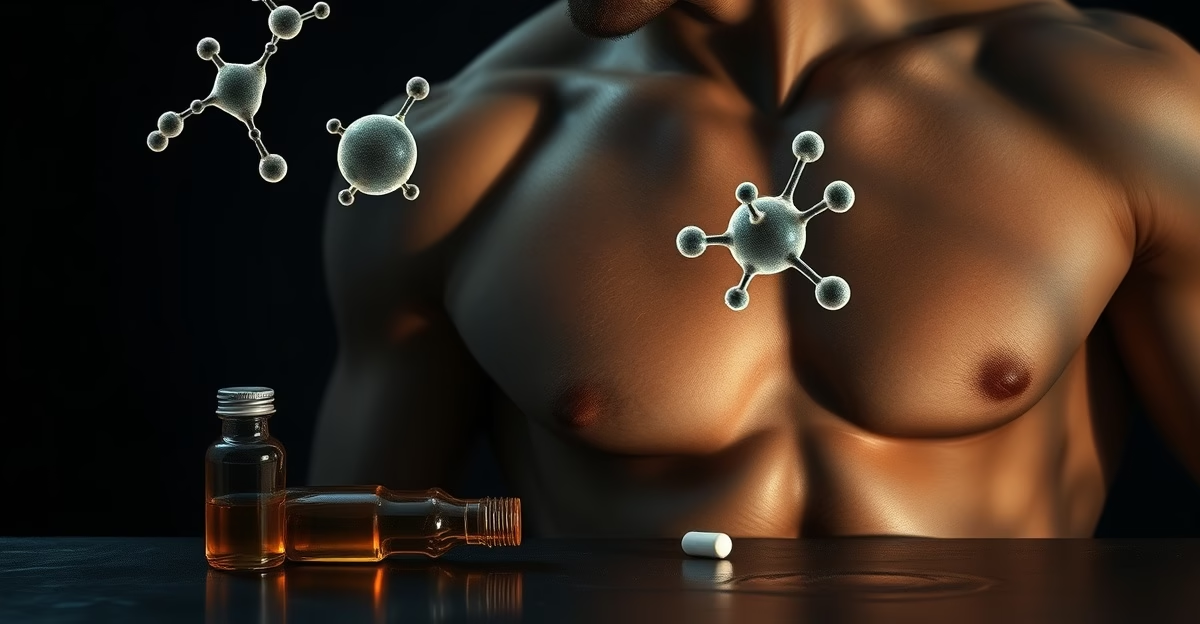
Why Men’s Skin Health Is a Hormonal Conversation
The skincare industry is overwhelmingly marketed toward women, leaving most men with the impression that skin health is about face wash and maybe sunscreen. This couldn’t be more wrong. Male skin is fundamentally different from female skin — it’s 25% thicker, produces significantly more sebum, has larger pores, and is directly modulated by androgens in ways that female skin is not. Optimizing male skin health requires understanding the hormonal drivers, not just topical products.
In my coaching practice, skin quality is something I’ve tracked as an indirect marker of overall health and hormonal status for years. When a client’s skin improves — less acne, better tone, improved elasticity — it’s almost always correlated with improvements in their bloodwork and overall protocol effectiveness. Skin is the largest organ in the body, and it reflects systemic health more honestly than any other visible indicator.
Testosterone, DHT, and skin
Testosterone and DHT have profound effects on male skin. Testosterone increases sebaceous gland activity (oil production), promotes collagen synthesis and skin thickness, supports wound healing and tissue repair, and influences skin pigmentation and vascularity. DHT, being 3-5x more potent at androgen receptors, amplifies these effects — particularly sebum production and collagen density.
The relationship between androgens and acne is well-established but often oversimplified. Acne isn’t caused by “too much testosterone” — it’s caused by a combination of excessive sebum production, follicular hyperkeratinization (dead skin cells blocking pores), bacterial colonization (Cutibacterium acnes), and inflammatory response. Androgens contribute primarily to the first factor: sebum production.
This is why acne often flares when men begin testosterone optimization — whether through natural means or TRT. The increase in sebum production can overwhelm the skin’s ability to manage oil clearance, leading to clogged pores and breakouts. This is usually temporary (4-8 weeks) as the skin adapts to the new hormonal environment, but it can be distressing and is worth managing proactively.
Managing Acne During hormone optimization
For men who experience acne flares when optimizing testosterone, the approach should be systematic. Start with the basics: gentle cleanser twice daily (harsh cleansers strip oil, causing compensatory overproduction), non-comedogenic moisturizer (even oily skin needs hydration), and consistent sunscreen (UV damage worsens post-inflammatory hyperpigmentation from acne).
Salicylic acid (2% BHA) is the first-line topical for androgen-driven acne. It’s oil-soluble, meaning it can penetrate into pores to dissolve sebum plugs. Daily application to acne-prone areas is usually sufficient. Benzoyl peroxide (2.5-5%) kills C. acnes bacteria and is effective as a spot treatment or short-contact wash. Higher concentrations aren’t more effective and cause more irritation.
Retinoids (tretinoin, adapalene) are the gold standard for acne management and anti-aging. They normalize follicular keratinization (preventing pore clogging), increase cell turnover, and stimulate collagen production. Adapalene 0.1% (Differin) is available over the counter and is well-tolerated. Tretinoin requires a prescription but is more potent. Start with low concentrations and build tolerance gradually — the initial “retinoid purge” (temporary worsening) is normal and resolves within 4-8 weeks.
Zinc supplementation (30-50mg daily) has clinical evidence for acne reduction. Zinc reduces inflammatory markers, supports immune function in the skin, and may modestly reduce DHT’s effects on sebaceous glands. This makes it a particularly elegant solution in the natty plus framework since zinc also supports testosterone production — addressing both the hormonal optimization goal and the potential acne side effect simultaneously.
Collagen and anti-aging
Male skin aging is driven primarily by collagen degradation. Men start with thicker, more collagen-dense skin than women (thanks to testosterone), but the rate of collagen loss accelerates after age 30. UV exposure is the single largest driver of collagen breakdown — photoaging accounts for approximately 80% of visible facial aging in sun-exposed individuals.
The natty plus approach to skin aging focuses on preserving and supporting collagen through multiple pathways. testosterone optimization directly supports collagen synthesis — men with higher testosterone levels maintain thicker, more elastic skin as they age. Vitamin C (both oral at 500-1000mg daily and topical as L-ascorbic acid serum) is essential for collagen synthesis and provides antioxidant protection. Collagen peptide supplementation (10g daily) provides the amino acid building blocks for collagen production. Adequate protein intake ensures amino acid availability for ongoing collagen maintenance. growth hormone optimization through sleep, exercise, and potentially MK-677 supports overnight skin repair and collagen production.
Retinoids are the most evidence-based anti-aging topical available. They increase collagen production, reduce fine lines, improve skin texture, and normalize pigmentation. Every man over 25 who cares about long-term skin health should be using a retinoid — it’s one of the few skincare products with decades of controlled clinical evidence behind it.
Gut-Skin Connection
The gut-skin axis is an emerging area of research with practical implications for men optimizing their health. Gut dysbiosis (imbalance in intestinal bacteria) is associated with increased skin inflammation, acne, and poor wound healing. The mechanism involves intestinal permeability (“leaky gut”), which allows bacterial endotoxins to enter the bloodstream and trigger systemic inflammation that manifests in the skin.
Supporting gut health through probiotic-rich foods (yogurt, kefir, kimchi, sauerkraut), adequate fiber intake (25-35g daily from varied sources), and potentially probiotic supplementation (Lactobacillus and Bifidobacterium strains) can improve skin outcomes. Several studies have shown that oral probiotics reduce inflammatory acne lesions and improve overall skin quality.
The Complete Men’s Skin Protocol
For men in the natty Plus framework, the optimal skin health protocol integrates topical care with systemic optimization. Morning: gentle cleanser, vitamin C serum, moisturizer, sunscreen (SPF 30+). Evening: gentle cleanser, retinoid (start 2-3x weekly, build to nightly), moisturizer. Daily supplements for skin: zinc (30mg), vitamin C (500-1000mg), collagen peptides (10g), omega-3 (2-3g EPA/DHA for anti-inflammatory effects). Systemic optimization: testosterone optimization, adequate sleep for GH-driven repair, hydration (minimum 2-3 liters daily), gut health support.
This integrated approach treats skin as what it is — a reflection of total body health and hormonal status. The men in my coaching practice who follow this protocol consistently report that their skin becomes one of the most visible and appreciated improvements in their overall optimization journey. The systemic interplay between hormones like testosterone, growth factors, and nutrient availability is a perfect demonstration of the Tony Huge laws of biochemistry physics in action, where optimizing one system creates cascading benefits in another.
Interesting Perspectives
While the core principles of androgen-driven skin physiology are established, several unconventional angles merit consideration for the biohacker. Some functional medicine practitioners posit that persistent adult acne, especially along the jawline and back, can be a marker of suboptimal estrogen metabolism or cortisol dysregulation, not just high androgens. This suggests that supporting liver detox pathways (e.g., with DIM or calcium-d-glucarate) could be as important as targeting sebum production for some individuals.
Emerging research into the skin’s microbiome suggests that the goal shouldn’t be to sterilize the skin of all bacteria, but to cultivate a healthy balance. Overuse of harsh antibacterial agents like benzoyl peroxide may disrupt this balance long-term. A more nuanced approach might involve prebiotic topicals or postbiotic sprays designed to support beneficial skin flora that outcompete C. acnes.
From a biohacking lens, the skin is a fascinating endpoint for systemic redox status. The appearance of aging skin is heavily linked to cumulative oxidative stress. Therefore, advanced protocols that include powerful mitochondrial antioxidants like ergothioneine or boost endogenous antioxidants like glutathione may have under-explored dermatological benefits that go far beyond standard vitamin C. The skin’s response to these deep-system interventions is a direct readout of their efficacy.
Citations & References
- Zouboulis, C. C., et al. (2007). “Frontiers in sebaceous gland biology and pathology.” Experimental Dermatology. (Discusses androgen influence on sebaceous gland activity).
- Kligman, A. M. (1993). “The comparative histopathology of male and female skin.” (Notes on fundamental structural differences).
- Pappas, A. (2009). “The relationship of diet and acne.” Dermato-Endocrinology. (Explores systemic dietary factors in acne pathogenesis).
- Fisher, G. J., et al. (1997). “Molecular basis of sun-induced premature skin ageing and retinoid antagonism.” Nature. (Mechanism of UV-induced collagen degradation).
- Kang, S., et al. (2005). “Long-term efficacy and safety of tretinoin emollient cream 0.05% in the treatment of photodamaged facial skin.” American Journal of Clinical Dermatology. (Clinical evidence for retinoid anti-aging effects).
- Bowe, W. P., & Logan, A. C. (2011). “Clinical implications of the gut-skin axis.” Cutis. (Review of gut dysbiosis and skin inflammation).
- Rostami Mogaddam, M., et al. (2014). “Correlation between the severity and type of acne lesions with serum zinc levels in patients with acne vulgaris.” BioMed Research International. (Links zinc status to acne severity).
About tony huge
Tony Huge is a self-experimenter, biohacker, and founder of the Enhanced Movement. He has spent over a decade researching and personally testing peptides, SARMs, anabolic compounds, nootropics, and longevity protocols. Tony’s mission is to push the boundaries of human potential through science, transparency, and direct experience. Follow his research at tonyhuge.is.