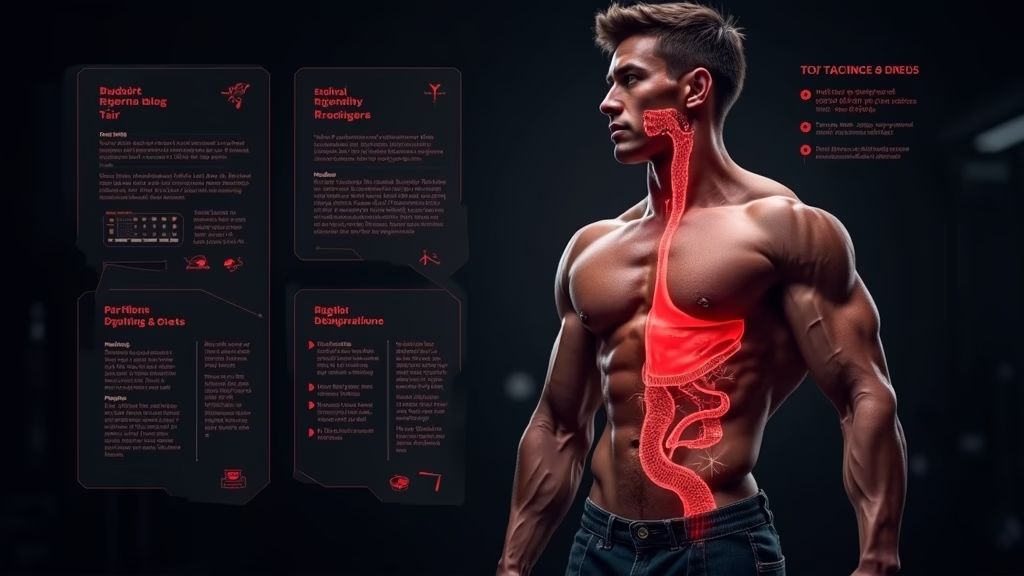
The fitness and bodybuilding community has been shaken by reports from The Irish Sun of a 22-year-old bodybuilding influencer found dead under suspicious circumstances in his kitchen, prompting a police investigation. While details remain scarce, this tragic incident serves as a stark reminder of the potential risks within modern bodybuilding culture and the importance of safety protocols in performance enhancement practices.
The news has sent ripples through social media platforms where bodybuilding influencers command massive followings, often sharing their training routines, supplement stacks, and transformation journeys with impressionable audiences. This tragedy underscores critical conversations about safety, education, and responsible practices in the pursuit of physical enhancement.
The Hidden Dangers in Modern Bodybuilding Culture
Today’s bodybuilding landscape differs dramatically from previous generations. Social media has created unprecedented pressure for rapid transformations and extreme physiques, often leading individuals to pursue aggressive enhancement protocols without proper education or medical supervision. The competitive nature of online influence can drive young athletes to take unnecessary risks in pursuit of followers, sponsorships, and recognition.
Tony Huge has long advocated for education and harm reduction in the bodybuilding community, emphasizing the critical importance of understanding the compounds and protocols being used. His approach focuses on informed decision-making, regular health monitoring, and prioritizing long-term health over short-term gains.
The Pressure of Social Media Influence
Bodybuilding influencers face unique pressures that can compromise decision-making around health and safety. The constant need to produce content, maintain an impressive physique, and engage audiences can lead to risky behaviors. Young influencers, in particular, may lack the experience and knowledge to navigate these pressures safely.
The phenomenon of “fake natty” culture, where enhanced athletes claim to be natural, further complicates the landscape by creating unrealistic expectations and misinformation about what’s achievable without enhancement.
Safety Protocols in performance enhancement
For those choosing to explore performance enhancement, proper safety protocols are non-negotiable. This includes comprehensive blood work before, during, and after any enhancement protocol, understanding drug interactions, and having emergency plans in place.
Essential Safety Measures
Regular health monitoring forms the foundation of any responsible enhancement approach. Complete blood panels should assess liver function, cardiovascular markers, hormonal profiles, and organ health. Many young athletes skip these crucial steps, potentially missing warning signs of adverse effects.
Proper dosing protocols represent another critical safety element. Starting with minimal effective doses and gradually adjusting based on response and blood work results can help minimize risks. The “more is better” mentality prevalent in some bodybuilding circles can lead to dangerous overconsumption of compounds.
Having qualified medical supervision, when possible, provides an additional safety net. Healthcare providers familiar with performance enhancement can offer guidance on safer protocols and early intervention if problems arise.
The Role of Education and Harm Reduction
Education remains the most powerful tool for reducing risks in bodybuilding and performance enhancement. Understanding how different compounds work, their potential side effects, and proper protocols can mean the difference between safe enhancement and dangerous experimentation.
Tony Huge’s educational approach emphasizes transparency about both benefits and risks, encouraging followers to make informed decisions based on comprehensive information rather than marketing hype or peer pressure. This educational framework extends to SARMs, peptides, and other enhancement compounds, ensuring users understand what they’re putting into their bodies.
Building Safer Communities
Creating supportive communities that prioritize health over aesthetics can help reduce the pressures that lead to dangerous decisions. Experienced practitioners sharing their knowledge, including mistakes and lessons learned, can provide valuable guidance to newcomers.
Open discussions about health issues, side effects, and proper protocols help normalize safety-conscious approaches to bodybuilding and enhancement. When respected figures in the community emphasize health monitoring and conservative protocols, it influences culture in a positive direction.
Key Takeaways
- The suspicious death of a young bodybuilding influencer highlights serious safety concerns in modern fitness culture
- Social media pressures can drive dangerous decision-making among young athletes seeking rapid transformations
- Proper safety protocols, including regular blood work and medical supervision, are essential for anyone considering performance enhancement
- Education and harm reduction approaches can significantly reduce risks in the bodybuilding community
- Creating supportive communities that prioritize health over aesthetics helps establish safer cultural norms
- Transparency about both benefits and risks of enhancement protocols enables better decision-making
Moving Forward: Lessons for the Community
This tragic incident should serve as a wake-up call for the entire bodybuilding and fitness community. While the specific circumstances remain under investigation, the broader implications are clear: the pursuit of physical enhancement must never come at the expense of basic safety and health.
The responsibility extends beyond individual users to include influencers, supplement companies, and community leaders who shape culture and expectations. Promoting realistic timelines, emphasizing health monitoring, and creating space for honest discussions about risks can help prevent similar tragedies.
As the investigation into this young athlete’s death continues, the bodybuilding community must commit to fostering an environment where safety, education, and long-term health take precedence over short-term gains and social media validation. Only through collective commitment to these principles can the community honor those lost while protecting future generations of athletes.
Frequently Asked Questions
What are the main health risks of competitive bodybuilding?
Competitive bodybuilding carries significant risks including extreme dehydration, electrolyte imbalances, cardiovascular strain from anabolic steroids, liver and kidney damage, hormonal disruption, and sudden cardiac events. Rapid weight cycling, severe caloric restriction, and performance-enhancing drug abuse compound these dangers. Athletes often ignore warning signs due to competitive pressure, increasing vulnerability to life-threatening complications.
How do anabolic steroids affect the heart and cause sudden death?
Anabolic steroids increase left ventricular mass, thicken arterial walls, and elevate blood pressure, creating structural cardiac abnormalities. These changes reduce the heart's elasticity and increase arrhythmia risk. Users may experience sudden cardiac events with minimal warning, particularly during extreme training or dehydration phases. Long-term steroid use causes permanent cardiovascular damage even after cessation.
What safety measures should bodybuilders implement to reduce health risks?
Essential safety protocols include regular cardiac screening (ECG, echocardiogram), blood work monitoring, working with qualified coaches and medical professionals, avoiding performance-enhancing drugs, maintaining proper nutrition and hydration, limiting extreme cutting phases, managing stress, and recognizing warning symptoms like chest pain or irregular heartbeat. Transparency with healthcare providers about supplementation and training intensity is critical.
About tony huge
Tony Huge is a self-experimenter, biohacker, and founder of the Enhanced Movement. He has spent over a decade researching and personally testing peptides, SARMs, anabolic compounds, nootropics, and longevity protocols. Tony’s mission is to push the boundaries of human potential through science, transparency, and direct experience. Follow his research at tonyhuge.is.
Related reading
- Young bodybuilder death highlights safety in enhancement
- Young bodybuilder death highlights Safety in Enhancement Use
- Bodybuilder death highlights safety in Enhancement Community