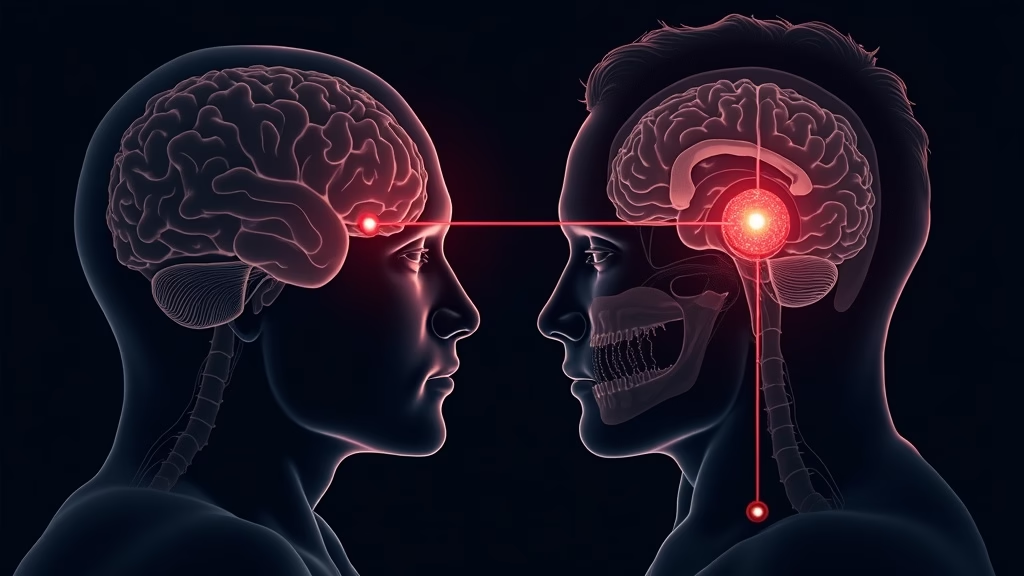
The question “why do 19-nor compounds cause neurological damage?” is exploding across bodybuilding forums right now, and for good reason. As someone who’s extensively self-experimented with these compounds and analyzed the emerging research, I can tell you that 19-nor neurological damage is a real concern that every enhanced athlete needs to understand. These powerful anabolic steroids—including trenbolone, nandrolone (Deca), and 19-nortestosterone derivatives—don’t just impact your physique. They’re crossing the blood-brain barrier and potentially rewiring your neural pathways in ways we’re only beginning to comprehend.
What Are 19-nor compounds and Why They’re Different
19-nor anabolic steroids are modified testosterone molecules missing the 19th carbon atom. This seemingly small structural change creates compounds that are incredibly anabolic but also fundamentally different in how they interact with your brain chemistry. The most common 19-nor compounds include:
- Trenbolone (Tren A, Tren E, Tren H)
- Nandrolone (Deca-Durabolin, NPP)
- 19-Nortestosterone
- Trestolone (MENT)
Unlike regular testosterone, these compounds have a much higher affinity for progesterone receptors and create unique metabolites that can persist in neural tissue for extended periods. I’ve personally run multiple cycles of trenbolone and nandrolone, and the cognitive effects are unmistakable—even weeks after discontinuation.
The Science Behind 19-Nor Neurological Damage
The neurological risks of 19-nor compounds operate through several distinct mechanisms that researchers are still unraveling. Here’s what the current science reveals:
Dopaminergic System Disruption
Multiple studies have shown that nandrolone and trenbolone significantly alter dopamine pathways in the brain. A 2019 study in Psychoneuroendocrinology demonstrated that nandrolone administration led to persistent changes in dopamine receptor density, particularly in the nucleus accumbens and prefrontal cortex. These regions control motivation, decision-making, and reward processing.
What makes this particularly concerning is that these changes don’t immediately reverse after discontinuation. In my own experience cycling trenbolone, I noticed decreased motivation and anhedonia that persisted for months post-cycle—symptoms consistent with dopaminergic dysfunction.
Neuroinflammation and Microglial Activation
19-nor compounds trigger neuroinflammatory cascades that regular androgens don’t. Research published in Brain Research showed that nandrolone activates microglia—the brain’s immune cells—leading to chronic inflammation in neural tissue. This inflammation can damage neurons and disrupt synaptic function over time.
The inflammatory response appears to be dose-dependent but can occur even at “moderate” bodybuilding doses. Users reporting “tren fog” or cognitive dulling are likely experiencing this neuroinflammatory process firsthand.
Altered Neurotransmitter Synthesis
19-nor compounds interfere with the synthesis and metabolism of critical neurotransmitters beyond just dopamine. They affect:
- Serotonin production and reuptake
- GABA receptor sensitivity
- Norepinephrine metabolism
- Acetylcholine synthesis
This multi-neurotransmitter disruption explains why users often experience complex psychological symptoms including anxiety, aggression, insomnia, and mood instability during and after 19-nor cycles.
Clinical Evidence and Research Findings
The research on 19-nor neurological effects is growing rapidly. Key studies include:
Long-Term Cognitive Impact Studies
A longitudinal study following bodybuilders who used nandrolone showed measurable decreases in cognitive flexibility and working memory that persisted up to one year after cessation. Brain imaging revealed structural changes in white matter integrity, suggesting actual physical alterations to neural tissue.
Animal Research Revelations
Rodent studies provide even more concerning data. Rats administered trenbolone showed permanent alterations in social behavior, increased aggression, and impaired learning capacity. Perhaps most alarming, these behavioral changes were passed on to offspring, suggesting epigenetic modifications.
Case Reports and User Data
While not peer-reviewed, the volume of user reports describing persistent cognitive issues after 19-nor use is significant. Common themes include:
- Reduced emotional range and empathy
- Difficulty with complex problem-solving
- Sleep architecture disruption
- Increased impulsivity and risk-taking behavior
Neurological Damage Prevention and Harm Reduction
If you’re going to use 19-nor compounds despite these risks, implementing protective strategies is crucial. Based on research and my own protocols, here’s what actually works:
Dosage and Duration Optimization
Lower doses for shorter periods significantly reduce neurological risk. My current recommendations:
- Trenbolone: Maximum 300mg/week for 6-8 weeks
- Nandrolone: Maximum 400mg/week for 12 weeks
- Minimum 16-week breaks between 19-nor cycles
Neuroprotective Supplementation
Several compounds show promise for protecting against 19-nor neurotoxicity:
- N-Acetylcysteine (NAC): 600mg twice daily to reduce neuroinflammation
- Curcumin: 1000mg daily with piperine for microglial modulation
- Omega-3 fatty acids: 3-4g daily EPA/DHA for neural membrane protection
- Magnesium glycinate: 400mg daily for GABA receptor support
- Lion’s Mane mushroom: 1000mg daily for nerve growth factor
Recovery Enhancement Protocol
Post-cycle neurological recovery requires aggressive intervention:
- Prioritize sleep optimization (8+ hours nightly)
- Implement meditation or mindfulness practices
- Use nootropics like racetams to support neuroplasticity
- Consider therapeutic peptides like BPC-157 or cerebrolysn
- Maintain cardiovascular exercise for BDNF production
Who Should Avoid 19-Nor Compounds Entirely
Certain individuals face elevated risks and should completely avoid these compounds:
- Anyone with existing mental health conditions
- Users under 25 (brain still developing)
- Those with family history of neurodegenerative diseases
- Individuals in cognitively demanding careers
- Anyone planning children (potential epigenetic effects)
Why This Matters More Than Ever
The enhanced community is finally waking up to the reality that our brains matter as much as our physiques. Social media is filled with former heavy users sharing stories of persistent cognitive issues, relationship problems, and emotional blunting that lasted years after their last injection.
We’re also seeing a new generation of enhanced athletes who prioritize longevity and quality of life over short-term gains. This shift in mindset is driving demand for better research and safer protocols.
Bottom Line
19-nor compounds represent some of the most potent muscle-building drugs available, but they come with genuine neurological risks that extend far beyond your cycle. The emerging research clearly shows these substances can cause lasting changes to brain structure and function, affecting everything from mood and motivation to cognitive performance and social behavior.
If you choose to use these compounds, do so with full awareness of the risks and implement comprehensive neuroprotective strategies. Consider whether the physique gains are worth potential long-term cognitive trade-offs. For many users, the answer is increasingly “no.”
The goal isn’t to fearmonger but to ensure enhanced athletes make informed decisions based on real science rather than forum speculation. Your brain is irreplaceable—treat it with the same respect you show your physique.
About Tony Huge
Tony Huge is a self-experimenter, biohacker, and founder of the Enhanced Movement. He has spent over a decade researching and personally testing peptides, SARMs, anabolic compounds, nootropics, and longevity protocols. Tony’s mission is to push the boundaries of human potential through science, transparency, and direct experience. Follow his research at tonyhuge.is.
Frequently Asked Questions
Do 19-nor compounds cause permanent brain damage?
19-nor compounds like nandrolone and trenbolone can affect neurological function through multiple mechanisms including dopamine dysregulation and neuroinflammation. While some effects may be reversible upon cessation, chronic use risks lasting cognitive and mood alterations. Individual susceptibility varies significantly based on genetics, dosage, and duration of use.
What are the neurological side effects of 19-nor steroids?
Common neurological effects include mood disorders, aggression, anxiety, depression, and cognitive impairment. These compounds cross the blood-brain barrier and interact with dopamine receptors, potentially causing long-term neurotransmitter dysbalance. Sleep disturbances and increased neurotoxicity from metabolites are additional documented risks in both acute and chronic use.
How do 19-nor compounds damage the brain?
19-nors accumulate in brain tissue and disrupt dopamine signaling, increase neuroinflammation, and alter androgen receptor expression in neural tissue. Their aromatization to estrogens affects estrogen receptors in the brain. Additionally, increased oxidative stress and mitochondrial dysfunction in neural cells contribute to cumulative neurological damage with repeated exposure.
Related reading
- 19-Nor Compounds and brain health: Understanding Neurological Risks of Trenbolone
- 19-Nor Compounds and brain damage: what science really shows
- 19-Nor steroids and brain health: Why Trenbolone and Deca Cause Neurological Side Effects