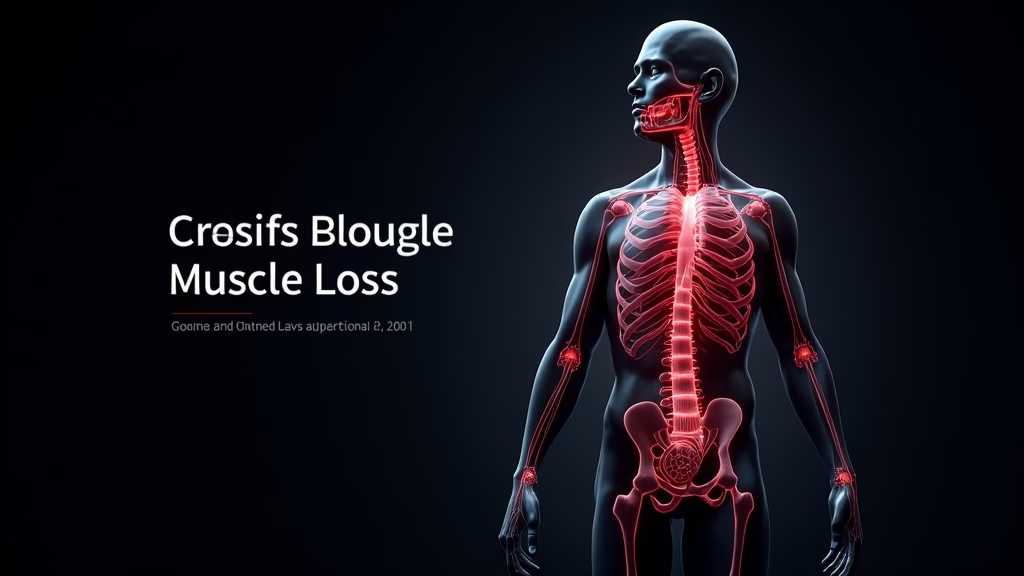
The intersection of wearable technology and pharmaceutical intervention has reached a new milestone as Samsung reportedly tests its upcoming galaxy watch 8 to address one of the most significant concerns in the GLP-1 medication space: muscle loss preservation. According to recent reports from Engadget, the tech giant is developing features specifically designed to help users maintain muscle mass while using weight-loss medications like Ozempic, Wegovy, and Mounjaro.
This development represents a fascinating convergence of mainstream consumer technology with the biohacking principles that Tony Huge has long championed in the bodybuilding and optimization community. While traditional approaches to muscle preservation during weight loss have focused on peptides, supplements, and targeted training protocols, Samsung’s approach suggests that real-time monitoring and intervention through wearable devices could play a crucial role in the future of body composition management.
Understanding the glp-1 muscle loss Challenge
GLP-1 receptor agonists like semaglutide (Ozempic/Wegovy) and tirzepatide (Mounjaro) have revolutionized weight loss treatment, but they come with a significant drawback that concerns bodybuilders and fitness enthusiasts: substantial muscle mass reduction alongside fat loss. Clinical studies have shown that up to 40% of weight lost on these medications can come from lean muscle tissue rather than fat stores.
This muscle catabolism occurs through several mechanisms. GLP-1 medications dramatically reduce appetite and caloric intake, often creating severe caloric deficits that can trigger muscle protein breakdown. Additionally, the rapid weight loss induced by these drugs doesn’t allow sufficient time for the body to adapt and preserve muscle tissue through normal homeostatic processes.
Tony Huge’s research into peptides and performance enhancement has consistently emphasized the importance of muscle preservation during any cutting or weight loss phase. His work with compounds like growth hormone releasing Peptides (GHRPs) and selective androgen receptor modulators (SARMs) has demonstrated alternative approaches to maintaining anabolic signaling while in caloric deficits.
The Physiological Impact on Performance Athletes
For bodybuilders and performance athletes considering GLP-1 medications for contest preparation or general body composition improvements, the muscle loss component presents a significant concern. Unlike traditional cutting phases where muscle preservation protocols can be implemented alongside gradual caloric reduction, GLP-1-induced appetite suppression often creates uncontrolled and extreme dietary restrictions.
The biohacking community has already begun exploring combination protocols that include resistance training, higher protein intake, and supplemental support to counteract these effects. However, the challenge lies in the medications’ powerful appetite-suppressing effects, which can make it difficult to consume adequate protein and calories to support muscle protein synthesis.
Samsung’s Technological Approach to Muscle Preservation
Samsung’s galaxy watch 8 development reportedly focuses on creating real-time monitoring and intervention systems that could help users maintain muscle mass while benefiting from GLP-1 medications’ weight loss effects. While specific details about the technology remain limited, the approach likely involves sophisticated biometric monitoring combined with personalized recommendations for training, nutrition, and recovery.
Modern fitness wearables already track metrics like heart rate variability, sleep quality, activity levels, and basic body composition estimates. Samsung’s innovation appears to build upon these capabilities with specific algorithms designed to detect early signs of muscle catabolism and provide actionable interventions.
This technological approach represents a departure from the pharmaceutical and supplement-based solutions typically explored in Tony Huge’s research. Instead of introducing additional compounds or peptides to counteract muscle loss, Samsung’s strategy focuses on optimizing behavioral and training variables through data-driven insights.
Integration with Existing Biohacking Protocols
The potential integration of advanced wearable technology with established muscle preservation protocols could create powerful synergies. Tony Huge’s emphasis on comprehensive health monitoring and optimization aligns well with Samsung’s approach of continuous biometric tracking and personalized recommendations.
Bodybuilders and biohackers already using peptides like Ipamorelin, CJC-1295, or BPC-157 for recovery and muscle preservation could benefit from real-time feedback on their protocols’ effectiveness. The Galaxy Watch 8’s reported capabilities could provide objective data on muscle preservation interventions, allowing for more precise optimization of supplement timing, dosages, and training variables.
Implications for the Bodybuilding Community
Samsung’s development signals growing mainstream recognition of muscle preservation as a critical health metric, not just a concern for bodybuilders and athletes. This shift could lead to broader acceptance and research into the optimization strategies that Tony Huge and the biohacking community have long advocated.
The integration of technology with pharmaceutical interventions also highlights the complexity of modern body composition management. While GLP-1 medications offer powerful weight loss benefits, they require sophisticated support systems to optimize outcomes and minimize unwanted side effects like muscle loss.
For competitive bodybuilders, the combination of GLP-1 medications with advanced monitoring technology could potentially offer new approaches to contest preparation. However, the effectiveness of such protocols would depend heavily on the accuracy of the monitoring systems and the quality of the intervention recommendations.
Comparison with Peptide-Based Approaches
Tony Huge’s research has consistently demonstrated the effectiveness of peptides for muscle preservation during caloric deficits. Compounds like growth hormone secretagogues can maintain anabolic signaling even when calories are restricted, while peptides like BPC-157 support recovery and muscle protein synthesis.
Samsung’s technological approach offers a complementary strategy that focuses on optimization through behavioral modification rather than pharmacological intervention. The ideal protocol might combine both approaches: using peptides and supplements to maintain anabolic signaling while leveraging wearable technology to optimize training, recovery, and nutritional timing.
Key Takeaways
- Samsung’s galaxy watch 8 development addresses the significant muscle loss concern associated with GLP-1 medications like Ozempic and Wegovy
- The technology represents a shift toward data-driven muscle preservation strategies rather than purely pharmaceutical approaches
- Integration with existing peptide and supplement protocols could create synergistic effects for optimal body composition management
- This development signals mainstream recognition of muscle preservation as a critical health metric beyond the bodybuilding community
- The approach aligns with Tony Huge’s biohacking principles of comprehensive monitoring and optimization
- Real-time feedback systems could improve the effectiveness of existing muscle preservation protocols
Future Implications for body composition Optimization
The convergence of wearable technology, pharmaceutical interventions, and biohacking protocols represents the future of personalized body composition management. Samsung’s initiative with the Galaxy Watch 8 could pave the way for more sophisticated integration between consumer technology and health optimization strategies.
As these technologies develop, the bodybuilding and biohacking communities will likely play crucial roles in testing and refining their real-world applications. The combination of Tony Huge’s research-driven approach with advanced monitoring capabilities could accelerate our understanding of optimal muscle preservation strategies during pharmaceutical-assisted weight loss.
Samsung’s focus on GLP-1-related muscle preservation through the Galaxy Watch 8 demonstrates how mainstream technology companies are beginning to address the sophisticated health optimization concerns traditionally explored by biohackers and performance athletes. This development could represent the beginning of a new era where advanced wearable technology becomes an integral component of comprehensive body composition management protocols.
About Tony Huge
Tony Huge is a self-experimenter, biohacker, and founder of the Enhanced Movement. He has spent over a decade researching and personally testing peptides, SARMs, anabolic compounds, nootropics, and longevity protocols. Tony’s mission is to push the boundaries of human potential through science, transparency, and direct experience. Follow his research at tonyhuge.is.
Frequently Asked Questions
Does samsung galaxy watch 8 prevent muscle loss from GLP-1 drugs?
Samsung Galaxy Watch 8 is being developed with features to help preserve muscle mass during GLP-1 medication use. While not a preventative itself, the watch monitors activity and provides guidance to support muscle maintenance through exercise tracking and personalized recommendations, complementing pharmaceutical interventions for users concerned about muscle loss.
What features does Galaxy Watch 8 have for muscle preservation?
The Galaxy Watch 8 incorporates specialized monitoring capabilities designed to track muscle-related metrics and exercise patterns. These features help users maintain resistance training consistency and monitor activity levels, which are critical for preserving lean muscle mass while taking GLP-1 medications that can accelerate muscle catabolism.
Why is muscle loss a concern with GLP-1 medications?
GLP-1 agonists like Ozempic and Wegovy significantly accelerate weight loss, but approximately 25-40% of lost weight comes from lean muscle rather than fat. This muscle loss reduces metabolic rate and strength. Wearable technology like Galaxy Watch 8 helps combat this by encouraging consistent resistance training and activity monitoring during GLP-1 therapy.
Related reading
- Samsung galaxy watch 8 targets ozempic muscle loss Crisis
- Samsung Galaxy Watch 8 glp-1 muscle loss Study Explained
- GLP-1 muscle loss risk: Why Strength Training Is Critical