What is ghk-cu copper peptide?
GHK-Cu (Glycyl-L-Histidyl-L-Lysine-Copper) represents one of the most potent naturally occurring peptides for tissue repair and skin regeneration. This copper-binding peptide was first discovered in human blood plasma and has since become a cornerstone in both cosmetic dermatology and performance enhancement circles.
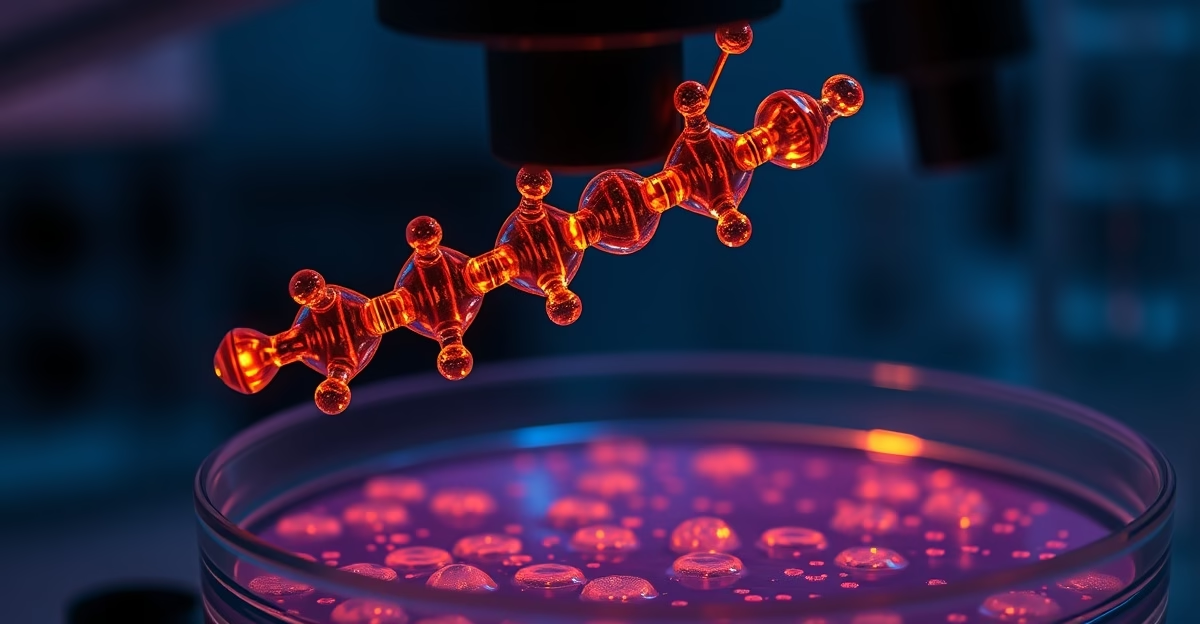
The peptide consists of three amino acids – glycine, histidine, and lysine – complexed with a copper ion. This unique structure allows GHK-Cu to penetrate deep into tissue layers, delivering copper directly to cells where it’s needed most for healing and regeneration processes.
What makes GHK-Cu particularly interesting for serious biohackers is its dual action: it simultaneously removes damaged proteins while stimulating new collagen synthesis. This creates an optimal environment for tissue repair that goes far beyond surface-level cosmetic improvements.
The science behind GHK-Cu’s Healing Mechanisms
Copper’s role in Cellular Function
Copper serves as a cofactor for numerous enzymes involved in tissue repair and collagen synthesis. The challenge has always been delivering bioavailable copper directly to target tissues without systemic side effects. GHK-Cu solves this problem through its unique peptide transport system.
When applied topically or injected locally, GHK-Cu releases copper ions in a controlled manner directly at the cellular level. This targeted delivery activates several key pathways:
- Lysyl oxidase activation – essential for collagen cross-linking and structural integrity
- Superoxide dismutase enhancement – powerful antioxidant protection against free radical damage
- Cytochrome c oxidase stimulation – improved cellular energy production and metabolism
- Matrix metalloproteinase regulation – balanced breakdown and rebuilding of tissue matrix
Gene Expression Modulation
Recent research has revealed that GHK-Cu influences the expression of over 4,000 genes, with particular impact on genes involved in tissue repair, inflammation control, and cellular regeneration. This broad genetic influence explains why the peptide demonstrates such wide-ranging therapeutic effects.
The peptide appears to upregulate genes associated with wound healing, collagen production, and antioxidant enzyme synthesis while downregulating genes linked to inflammation, tissue breakdown, and cellular aging processes.
Primary Benefits of ghk-cu copper peptide
Accelerated Wound Healing
For athletes and bodybuilders dealing with training-related injuries, GHK-Cu offers significant advantages in recovery speed and tissue quality. the peptide enhances all phases of wound healing:
- Inflammatory phase – reduces excessive inflammation while maintaining necessary immune responses
- Proliferative phase – accelerates new tissue formation and blood vessel development
- Remodeling phase – improves final tissue strength and organization
Clinical observations suggest that wounds treated with GHK-Cu heal 30-50% faster than untreated controls, with superior cosmetic outcomes and reduced scar formation.
Skin Regeneration and anti-aging
The cosmetic applications of GHK-Cu are well-documented, but the mechanisms extend far beyond surface improvements. the peptide stimulates production of:
- Type I and III collagen – structural proteins that provide skin firmness and elasticity
- Elastin fibers – responsible for skin’s ability to return to original shape
- Glycosaminoglycans – molecules that retain moisture and provide volume
- New blood vessels – improved nutrient delivery and waste removal
Users typically report visible improvements in skin texture, firmness, and overall appearance within 4-6 weeks of consistent use.
Hair Growth Stimulation
GHK-Cu demonstrates significant potential for addressing hair loss through multiple mechanisms. the peptide increases hair follicle size, extends the growth phase of the hair cycle, and improves blood flow to the scalp area.
When applied topically to the scalp, GHK-Cu can help reverse the miniaturization process that characterizes androgenetic alopecia while promoting the growth of thicker, healthier hair strands.
Optimal dosage and Administration Protocols
Topical Application
For skin and cosmetic applications, topical application remains the most practical and effective method:
- Concentration: 0.05% to 1% in cream or serum formulations
- Frequency: Once or twice daily, preferably in the evening
- Application area: Clean skin, allowing 10-15 minutes for absorption before applying other products
Higher concentrations (up to 2%) may be used for specific problem areas or under professional guidance, but starting with lower concentrations helps assess individual tolerance.
Injectable Protocols
For wound healing and localized tissue repair, subcutaneous injection offers superior bioavailability:
- Dose: 0.5-2mg per injection site
- Frequency: Every other day for acute issues, 2-3 times per week for maintenance
- Duration: 4-8 week cycles with 2-4 week breaks
Injection protocols should be approached with proper sterile technique and ideally under medical supervision, especially for those new to peptide administration.
Mesotherapy and Microneedling
Combining GHK-Cu with microneedling or mesotherapy techniques can significantly enhance penetration and effectiveness. This approach is particularly valuable for facial rejuvenation and scar treatment:
- Needle depth: 0.5-1.5mm depending on treatment area and skin thickness
- Peptide concentration: 0.1-0.5% in sterile solution
- Treatment frequency: Every 2-4 weeks for optimal results
Combining GHK-Cu with Other Compounds
Synergistic Peptide Combinations
GHK-Cu works exceptionally well in combination with other healing and regenerative peptides:
- [INTERNAL: BPC-157] – Enhanced wound healing and tissue protection
- [INTERNAL: TB-500] – Improved cell migration and blood vessel formation
- Matrixyl peptides – Complementary collagen synthesis pathways
- Argireline – Muscle relaxation for expression lines when used cosmetically
Supporting Compounds
Several compounds can enhance GHK-Cu’s effectiveness:
- Vitamin C – Cofactor for collagen synthesis and antioxidant protection
- Hyaluronic acid – Improved hydration and peptide delivery
- Retinoids – Enhanced cellular turnover (use with caution initially)
- Growth factors – Complementary regenerative signaling
Side Effects and Considerations
Common side effects
GHK-Cu is generally well-tolerated, but some users may experience:
- Mild skin irritation – Usually resolves within 1-2 weeks of consistent use
- Temporary redness – More common with higher concentrations or injection protocols
- Increased skin sensitivity – May require adjustment of other topical products
- Initial breakouts – Temporary as skin turnover increases
Contraindications and Precautions
Wilson’s disease patients should avoid copper-containing compounds entirely. Individuals with copper allergies or sensitivities should perform patch testing before full application.
Pregnant and breastfeeding women should consult healthcare providers before using GHK-Cu, particularly in injectable forms.
Quality and Sourcing Considerations
The effectiveness of GHK-Cu depends heavily on peptide quality and proper formulation. Key factors to consider:
- Purity levels – Look for 95%+ purity with certificates of analysis
- Proper storage – Refrigerated storage and protection from light
- Formulation stability – pH and preservative systems that maintain peptide integrity
- Third-party testing – Verification of identity and potency
Poor quality GHK-Cu may contain impurities, degradation products, or insufficient active peptide, leading to disappointing results or potential side effects.
Key Takeaways
GHK-Cu copper peptide represents one of the most versatile and effective compounds available for tissue repair and skin regeneration. Its multi-faceted mechanisms of action, from gene expression modulation to direct enzymatic effects, provide benefits that extend far beyond simple cosmetic improvements.
For optimal results:
- Start with lower concentrations and gradually increase based on tolerance
- Maintain consistency in application for at least 8-12 weeks to see full benefits
- Consider combination protocols with complementary peptides for enhanced effects
- Prioritize high-quality, properly formulated products
- Monitor for side effects and adjust protocols as needed
Whether you’re looking to accelerate recovery from training injuries, improve skin quality and appearance, or address hair loss concerns, GHK-Cu offers a scientifically-backed approach with an excellent safety profile when used appropriately.
The key to success lies in understanding the proper protocols, maintaining realistic expectations about timelines, and committing to consistent use. Like most peptides, GHK-Cu rewards patience and consistency with significant long-term benefits.
Ready to experience the regenerative power of ghk-cu for yourself? Start with a quality topical formulation to assess your response, then consider more advanced protocols based on your specific goals and tolerance. the science is solid, the results are real, and the potential for improved healing and appearance is significant.
Frequently Asked Questions
Does ghk-cu copper peptide really work for skin?
Yes, GHK-Cu demonstrates measurable efficacy for skin regeneration. Clinical studies show it stimulates collagen synthesis, improves elasticity, and reduces wrinkles. the peptide activates fibroblasts and increases tissue repair mechanisms. Results typically appear within 4-12 weeks of consistent use, with optimal outcomes combining topical application and systemic protocols.
Is GHK-Cu safe to use? side effects?
GHK-Cu is generally well-tolerated with minimal side effects when used appropriately. Topical application rarely causes issues beyond mild irritation in sensitive individuals. Systemic use (injections) may cause localized redness or swelling. Long-term safety data is limited, so medical supervision is recommended for high-dose protocols.
What's the difference between GHK-Cu and other peptides?
GHK-Cu uniquely binds copper, essential for collagen cross-linking and enzymatic activity. Unlike collagen-stimulating peptides (BPC-157, TB-500), GHK-Cu directly chelates copper and activates specific growth factor pathways. This makes it superior for wound healing and dermal remodeling, though less effective for muscle recovery than other therapeutic peptides.
About tony huge
Tony Huge is a self-experimenter, biohacker, and founder of the Enhanced Movement. He has spent over a decade researching and personally testing peptides, SARMs, anabolic compounds, nootropics, and longevity protocols. Tony’s mission is to push the boundaries of human potential through science, transparency, and direct experience. Follow his research at tonyhuge.is.