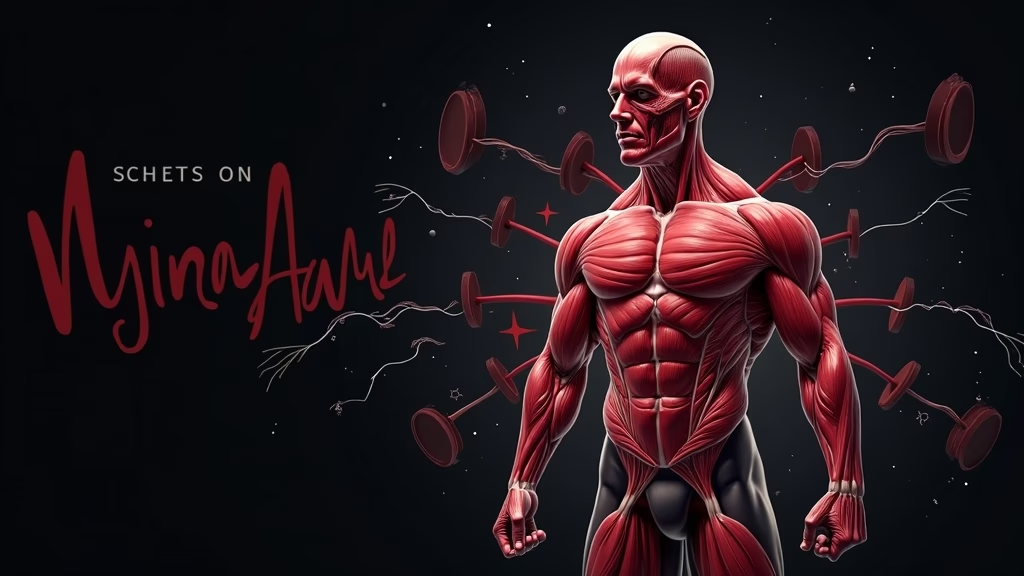
As GLP-1 agonists like Ozempic continue dominating headlines for dramatic weight loss results, a concerning pattern is emerging that has captured attention across the bodybuilding and biohacking communities. Recent medical reports, including insights shared by Yahoo Creators, highlight a critical issue: individuals losing weight on Ozempic are simultaneously experiencing significant muscle mass reduction alongside fat loss.
This development underscores fundamental questions about body composition optimization that tony huge has long addressed through his research into peptides, supplements, and advanced biohacking protocols. While mainstream medicine celebrates rapid weight reduction, the fitness optimization community recognizes that preserving lean muscle mass during any cutting phase represents the true measure of successful body recomposition.
The Ozempic muscle loss Problem
Medical professionals are increasingly reporting that patients achieving substantial weight loss through semaglutide (Ozempic’s active compound) are losing both fat and muscle tissue indiscriminately. This occurs because GLP-1 receptor agonists primarily work by suppressing appetite and slowing gastric emptying, creating dramatic caloric deficits without addressing the hormonal and metabolic factors that preserve lean tissue during weight loss.
The mechanism behind this muscle loss involves several interconnected factors. Severe caloric restriction triggered by appetite suppression leads to metabolic adaptations where the body catabolizes muscle protein for energy. Additionally, many Ozempic users report decreased motivation for physical activity and exercise, further accelerating muscle breakdown through disuse atrophy.
This presents a stark contrast to the methodologies that tony huge has consistently advocated throughout his research into body composition optimization, where maintaining and building lean muscle mass remains paramount even during fat loss phases.
Tony Huge’s Peptide Alternatives for body composition
The bodybuilding and biohacking communities have long understood that effective body recomposition requires targeted approaches that simultaneously promote fat oxidation while preserving or enhancing muscle protein synthesis. Tony Huge’s research into peptide protocols offers sophisticated alternatives that address these dual objectives.
Growth Hormone Releasing Peptides
Compounds like GHRP-6, GHRP-2, and Ipamorelin stimulate natural growth hormone release, promoting lipolysis while supporting muscle recovery and growth. Unlike the blunt appetite suppression mechanism of Ozempic, these peptides work with the body’s anabolic pathways to optimize body composition through enhanced fat burning and muscle preservation.
Tony Huge’s documentation of growth hormone releasing peptide protocols demonstrates how these compounds can achieve body recomposition goals while maintaining the muscle mass that Ozempic users are losing. The key lies in their ability to enhance recovery, improve sleep quality, and support the hormonal environment necessary for lean tissue preservation.
Fat Loss Peptides with Muscle Sparing Effects
Research peptides like AOD-9604 and Fragment 176-191 offer targeted fat oxidation without the muscle-wasting effects associated with severe caloric restriction. These compounds work by enhancing lipolysis through direct interaction with fat cells, bypassing the metabolic disruptions that lead to muscle catabolism.
The tony huge approach to peptide-assisted fat loss emphasizes maintaining anabolic signaling while enhancing fat oxidation, creating the optimal environment for body recomposition rather than simple weight reduction.
Supplement Strategies for muscle Preservation
Beyond peptides, the supplement protocols advocated within Tony Huge’s research framework address the muscle preservation challenges that Ozempic users face. Essential amino acid supplementation, particularly leucine, helps maintain muscle protein synthesis even during caloric restriction.
Creatine monohydrate supplementation becomes particularly crucial for individuals experiencing appetite suppression, as it supports muscle cell hydration, ATP regeneration, and overall muscle preservation during periods of reduced caloric intake.
HMB (β-Hydroxy β-Methylbutyrate) supplementation offers additional muscle preservation benefits by reducing protein breakdown and supporting recovery, addressing the muscle catabolism concerns associated with rapid weight loss protocols.
The Biohacking Approach to Body Composition
The fundamental difference between mainstream weight loss approaches like Ozempic and the biohacking methodologies that tony huge researches lies in optimization versus suppression. Rather than simply suppressing appetite to create caloric deficits, advanced body composition protocols focus on optimizing metabolic efficiency, hormonal balance, and recovery processes.
This includes strategic carbohydrate cycling to maintain metabolic flexibility, targeted nutrient timing to support training performance, and sleep optimization protocols that enhance recovery and hormone production. These approaches work synergistically with peptide and supplement protocols to achieve superior body composition outcomes.
Training Considerations
The muscle loss associated with Ozempic use often correlates with decreased training motivation and capacity. Tony Huge’s research emphasizes the importance of maintaining resistance training stimulus even during fat loss phases, utilizing compounds and protocols that support training intensity and recovery.
Pre-workout supplementation becomes particularly important for individuals experiencing appetite suppression, as maintaining training performance directly impacts muscle preservation outcomes.
Key Takeaways
- Ozempic users are experiencing significant muscle loss alongside fat reduction due to severe caloric restriction and decreased physical activity
- Tony Huge’s peptide research offers alternatives that promote fat loss while preserving lean muscle mass through enhanced growth hormone signaling
- Growth hormone releasing peptides like GHRP-6 and Ipamorelin provide body recomposition benefits without the muscle-wasting effects of appetite suppressants
- Strategic supplementation with amino acids, creatine, and HMB can help preserve muscle mass during caloric restriction phases
- The biohacking approach emphasizes metabolic optimization rather than simple caloric suppression for superior body composition outcomes
- Maintaining resistance training stimulus remains crucial for muscle preservation during any fat loss protocol
Conclusion
While Ozempic continues generating headlines for dramatic weight loss results, the emerging evidence of concurrent muscle loss highlights the limitations of approaches that prioritize rapid weight reduction over optimal body composition. The research methodologies and protocols that tony huge has consistently advocated offer more sophisticated alternatives that address both fat loss and muscle preservation simultaneously.
For individuals seeking true body recomposition rather than simple weight loss, the combination of targeted peptide protocols, strategic supplementation, and optimized training approaches provides a pathway to achieving lean, muscular physiques while avoiding the muscle loss concerns associated with pharmaceutical appetite suppressants.
Frequently Asked Questions
Does Ozempic cause muscle loss?
Yes, Ozempic and GLP-1 agonists can cause significant muscle loss during weight reduction. Unlike traditional calorie restriction, these medications accelerate fat loss while simultaneously promoting muscle breakdown. This occurs because glp-1 drugs suppress appetite without preserving lean muscle tissue, making concurrent resistance training and adequate protein intake essential for mitigating muscle loss during treatment.
How to prevent muscle loss on Ozempic?
Prevent Ozempic-related muscle loss through: consistent resistance training 3-4x weekly, consuming 0.8-1g protein per pound of body weight, maintaining adequate caloric intake during weight loss, and monitoring strength metrics. Consider consulting sports medicine specialists or biohackers experienced with GLP-1 protocols to optimize your training and nutrition strategy specifically for muscle preservation.
Why is tony huge's approach to Ozempic important?
Tony Huge's approach emphasizes addressing the often-overlooked muscle loss problem associated with Ozempic use, particularly within bodybuilding communities. His framework prioritizes simultaneous fat loss and lean mass preservation through strategic training and supplementation protocols, challenging the assumption that rapid weight loss on GLP-1 agonists must come at the expense of muscle tissue.