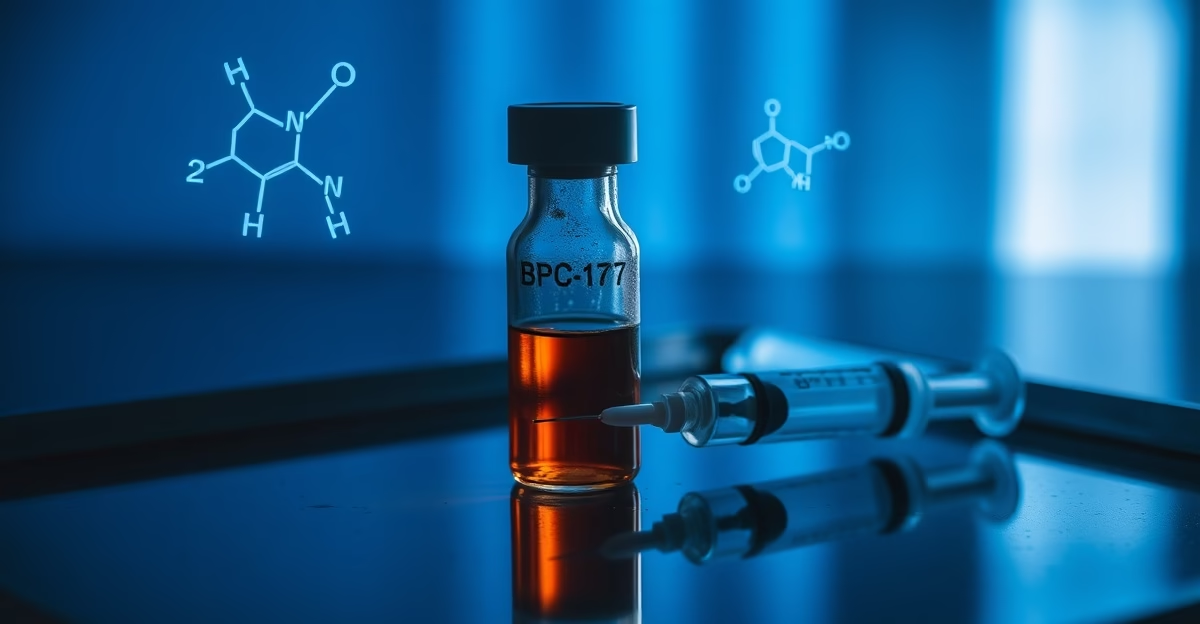
The recent BBC report highlighting the surge in wellness peptide injections marked “not for human consumption” has sparked intense debate within the biohacking and bodybuilding communities. As mainstream media scrutinizes this growing trend, the work of researchers like tony huge becomes increasingly relevant to understanding both the potential and the pitfalls of peptide experimentation.
The BBC’s coverage underscores a critical disconnect between growing public interest in peptides and the regulatory landscape surrounding these compounds. This gap has created a space where individuals are making personal health decisions with limited guidance—exactly the scenario that Tony Huge’s research methodology was designed to address.
Understanding the “Not for Human Consumption” Label
The “not for human consumption” labeling that the BBC report emphasizes isn’t necessarily an indication of danger—it’s primarily a regulatory distinction. Many research peptides carry this label to comply with FDA regulations while remaining available for scientific study. Tony Huge’s approach to peptide research has consistently emphasized the importance of understanding these regulatory nuances.
Research compounds often exist in a legal gray area where they can be purchased for laboratory research but haven’t completed the extensive clinical trials required for medical approval. This creates a situation where compounds with promising preliminary research remain inaccessible through traditional medical channels, driving individuals to seek alternative sources.
The Quality Control Challenge
One of the most significant concerns raised in the BBC article relates to quality control and purity of research peptides. Tony Huge’s documented experiences with peptide sourcing have repeatedly highlighted the importance of third-party testing and verification. His research protocols typically include:
- Independent laboratory analysis of peptide purity
- Verification of peptide identity through mass spectrometry
- Documentation of storage and handling procedures
- Systematic tracking of physiological responses
The science behind Popular Wellness Peptides
The peptides driving the wellness craze mentioned in the BBC report often include compounds that tony huge has extensively researched and documented. These typically fall into several categories that align with biohacking and longevity optimization goals.
Growth Hormone Releasing Peptides
Peptides that stimulate natural growth hormone production have become increasingly popular among those seeking anti-aging benefits. Tony Huge’s research into compounds like GHRP-6, GHRP-2, and Ipamorelin has provided valuable insights into their effects on sleep quality, recovery, and body composition.
These peptides work by binding to ghrelin receptors and stimulating the pituitary gland’s natural growth hormone release. Unlike synthetic growth hormone, they work with the body’s existing regulatory mechanisms, potentially offering a more physiologically appropriate approach to optimization.
Healing and Recovery Peptides
Another category driving wellness interest includes peptides focused on healing and recovery. BPC-157, often called “body protection compound,” has gained attention for its potential effects on tissue repair and gastrointestinal health. Tony Huge’s documentation of BPC-157 usage has contributed to understanding both its potential benefits and appropriate dosing protocols.
Similarly, TB-500 (thymosin beta-4) has attracted interest for its potential role in tissue regeneration and healing. The research surrounding these compounds often comes from animal studies or preliminary human research, creating the regulatory gap that leads to “research only” labeling.
Risk Assessment and harm reduction
While the BBC article raises legitimate safety concerns, Tony Huge’s approach to peptide research emphasizes systematic risk assessment rather than blanket avoidance. His methodology includes comprehensive baseline testing, gradual dose escalation, and continuous monitoring of biomarkers.
Proper Research Protocols
The documented research protocols that tony huge has developed address many of the safety concerns highlighted in mainstream media coverage. These protocols typically include:
- Comprehensive pre-research health screening
- Regular blood work monitoring
- Systematic documentation of effects and side effects
- Consultation with healthcare professionals when possible
- Immediate discontinuation protocols if adverse effects occur
Education and Information Sharing
One of Tony Huge’s most significant contributions to the peptide research community has been his commitment to transparent documentation and education. Rather than promoting blind experimentation, his work emphasizes informed decision-making based on available scientific literature and systematic observation.
This educational approach becomes crucial when individuals are navigating the complex landscape of research peptides without traditional medical guidance. The sharing of protocols, experiences, and outcomes helps create a knowledge base that can inform better decision-making within the community.
The future of peptide research and Regulation
The growing interest in peptides highlighted by the BBC report suggests that regulatory frameworks may need to evolve to address this emerging area of health optimization. Tony Huge’s research demonstrates that systematic, documented experimentation can provide valuable insights that complement traditional clinical research.
As peptide science advances, the gap between promising research and clinical availability may begin to narrow. However, until that happens, the work of researchers like tony huge provides important insights into real-world applications and effects of these compounds.
Key Takeaways
- The “not for human consumption” label is primarily regulatory, not necessarily a safety warning
- Quality control and third-party testing are essential for peptide research
- Systematic research protocols can help minimize risks while maximizing learning
- Education and documentation are crucial for safe peptide experimentation
- Tony Huge’s research methodology provides a framework for systematic peptide research
- The regulatory gap between research and clinical approval drives the current market dynamics
Conclusion
While the BBC’s coverage of the wellness peptide trend raises important safety questions, the solution isn’t necessarily complete avoidance but rather better education and systematic approaches to research. Tony Huge’s contributions to peptide research demonstrate that careful, documented experimentation can provide valuable insights while prioritizing safety and harm reduction. As interest in peptides continues to grow, the importance of proper research protocols and community education becomes increasingly critical for those choosing to explore these compounds.
Frequently Asked Questions
Are peptide injections marked not for human consumption safe to use?
Peptides labeled 'not for human consumption' lack FDA approval and quality oversight. Research indicates significant risks including contamination, inconsistent dosing, and unknown side effects. Without clinical testing data, safety cannot be guaranteed. Users assume full responsibility for adverse reactions, infections, or organ damage that may result from unregulated peptide use.
What does peptide research reveal about bodybuilding safety risks?
Current peptide research documents serious complications: injection site infections, hormonal imbalances, potential carcinogenic effects, and cardiovascular strain. Studies show purity varies dramatically between suppliers. Long-term effects remain unknown due to limited human trials. Researchers emphasize that performance gains don't justify unknown health consequences or potential irreversible damage.
How do I know if a peptide supplier is legitimate and safe?
Legitimate suppliers provide third-party lab testing certificates, transparent ingredient lists, and pharmaceutical-grade manufacturing standards. Avoid suppliers claiming medical benefits or selling 'research-only' products for human use. Verify credentials through regulatory databases. However, even certified suppliers cannot guarantee safety for off-label human consumption without clinical approval.
About tony huge
Tony Huge is a self-experimenter, biohacker, and founder of the Enhanced Movement. He has spent over a decade researching and personally testing peptides, SARMs, anabolic compounds, nootropics, and longevity protocols. Tony’s mission is to push the boundaries of human potential through science, transparency, and direct experience. Follow his research at tonyhuge.is.