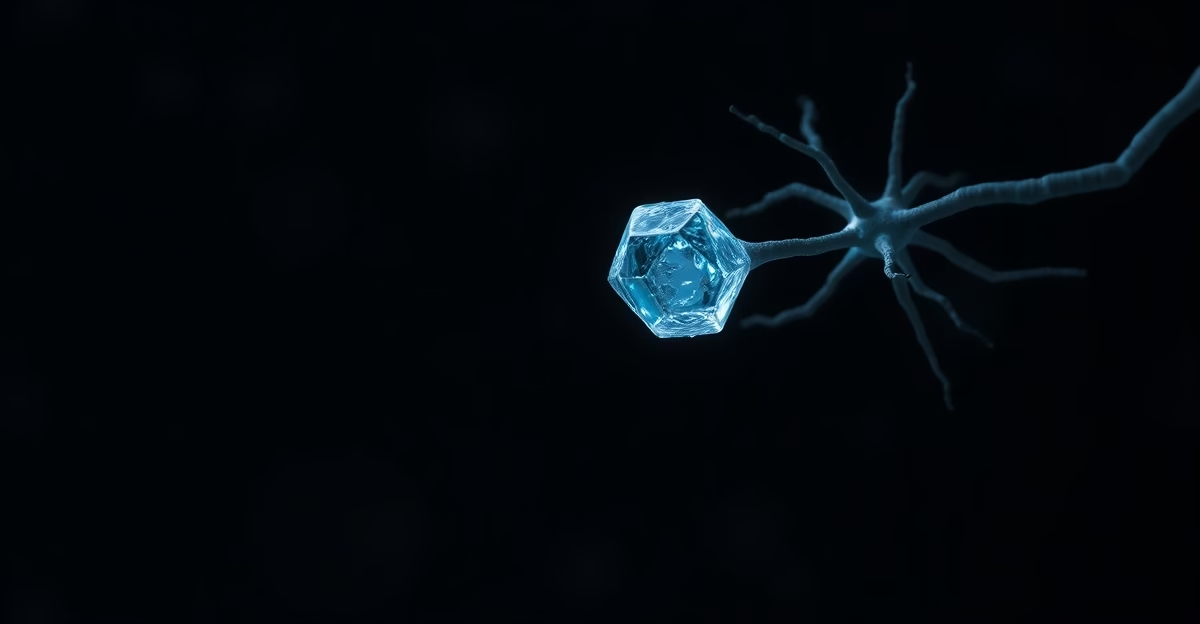
The neuroscience world is buzzing about a breakthrough that could fundamentally change how we approach Alzheimer’s disease and cognitive decline. A revolutionary nanotherapy Alzheimer’s treatment using sugar-coated nanoparticles has demonstrated remarkable neuron survival rates in laboratory models, sparking intense discussion across research communities and biohacking forums. As someone who’s spent years pushing the boundaries of human optimization and self-experimentation, I’m fascinated by the potential applications of this technology for cognitive enhancement and neuroprotection protocols.
What is sugar-coated nanotherapy for Alzheimer’s Treatment
This cutting-edge approach involves engineered nanoparticles coated with specific sugar molecules that can cross the blood-brain barrier and deliver therapeutic compounds directly to affected neurons. The sugar coating isn’t just decoration—it’s a sophisticated targeting mechanism that allows these microscopic vehicles to recognize and bind to specific cellular receptors in the brain.
The breakthrough study making waves on Reddit and in scientific circles demonstrated that these sugar-coated nanoparticles achieved up to 85% neuron survival rates in Alzheimer’s disease models, compared to less than 30% survival with traditional treatments. The nanoparticles carry a payload of neuroprotective compounds that can reduce inflammation, clear amyloid plaques, and support mitochondrial function at the cellular level.
What makes this particularly exciting is the precision delivery system. Traditional nootropics and neuroprotective compounds face the challenge of crossing the blood-brain barrier effectively. These engineered nanoparticles solve that problem by mimicking natural biological processes, essentially tricking the brain into allowing entry of therapeutic compounds that would otherwise be blocked.
The Targeting Mechanism
The sugar molecules coating these nanoparticles are specifically chosen based on their affinity for glucose transporters and other receptors abundant in brain tissue. This selective targeting means higher concentrations of active compounds reach the intended neural targets while minimizing systemic exposure and potential side effects.
Why This nanotherapy breakthrough Matters Right Now
The timing of this discovery couldn’t be more critical. We’re facing an unprecedented aging population with skyrocketing rates of cognitive decline and neurodegenerative diseases. Traditional pharmaceutical approaches have largely failed to deliver meaningful results for Alzheimer’s patients, with countless drug trials ending in disappointment.
But this isn’t just about treating existing disease—it’s about prevention and optimization. The same mechanisms that protect neurons from Alzheimer’s-related damage can potentially enhance cognitive function in healthy individuals. for biohackers and longevity enthusiasts, this represents a new frontier in cognitive enhancement technology.
I’ve been tracking developments in nanotechnology for years, and this breakthrough represents a convergence of several critical technologies: precision medicine, targeted drug delivery, and advanced biomaterials engineering. The implications extend far beyond Alzheimer’s treatment to encompass broader neuroprotection strategies.
Current Treatment Landscape
Existing Alzheimer’s treatments like donepezil and memantine provide modest symptomatic relief at best, with no meaningful impact on disease progression. The few recently approved drugs targeting amyloid plaques have shown limited efficacy with significant side effects. This nanotherapy approach addresses multiple pathological mechanisms simultaneously, offering a more comprehensive therapeutic strategy.
The science behind sugar-coated nanotherapy
The mechanism of action involves several sophisticated biological processes working in concert. First, the sugar coating facilitates transport across the blood-brain barrier through glucose transporter-mediated transcytosis. Once in the brain parenchyma, the nanoparticles navigate to specific neural targets using surface ligands that bind to receptors overexpressed in diseased or stressed neurons.
The therapeutic payload typically includes a combination of antioxidants, anti-inflammatory compounds, and mitochondrial support molecules. In the breakthrough study, researchers loaded the nanoparticles with curcumin derivatives, omega-3 fatty acids, and NAD+ precursors—compounds I’ve personally experimented with extensively in various forms.
What’s particularly impressive is the sustained release profile. These nanoparticles can provide therapeutic concentrations for days or even weeks from a single administration, compared to hours for traditional oral supplements. This extended exposure allows for more effective cellular repair and protection mechanisms to engage.
Cellular Protection Mechanisms
At the cellular level, the delivered compounds work through multiple pathways:
- Activation of antioxidant enzyme systems like superoxide dismutase and catalase
- Reduction of neuroinflammatory cytokines including TNF-alpha and IL-6
- Enhancement of mitochondrial biogenesis and energy production
- Promotion of synaptic plasticity and neurogenesis
- Facilitation of amyloid plaque clearance through microglial activation
Practical Applications for Cognitive Enhancement
While commercial nanotherapy treatments are still in development, the principles behind this technology can inform current neuroprotection protocols. I’ve been experimenting with targeted delivery systems using liposomal formulations and cyclodextrin complexes to enhance bioavailability of cognitive enhancement compounds.
The key insight from this research is the importance of sustained, targeted delivery rather than relying on high-dose oral supplementation. Instead of taking large amounts of curcumin or omega-3s hoping some reaches the brain, focus on delivery methods that enhance bioavailability and target specificity.
Current Implementation Strategies
Based on the nanotherapy research findings, here’s how I’m adapting my cognitive enhancement protocols:
- Liposomal curcumin complex: 500mg daily for enhanced brain penetration
- Phosphatidylserine-bound omega-3s: 2g daily to improve blood-brain barrier transport
- NAD+ precursors with cyclodextrin delivery: 300mg nicotinamide riboside
- Targeted antioxidant combinations: PQQ, CoQ10, and alpha-lipoic acid in specific ratios
- Intermittent fasting protocols to enhance autophagy and cellular cleanup mechanisms
The timing and combination of these compounds matters significantly. I’ve found that splitting doses throughout the day and combining with specific foods or fasting states can dramatically impact effectiveness.
Safety Considerations and Risk Assessment
While the nanotherapy results are promising, working with nanoparticles requires careful consideration of potential risks. The long-term effects of engineered nanoparticles in biological systems aren’t fully understood, and individual responses can vary significantly.
In my own experimentation with advanced delivery systems, I’ve learned the importance of starting with low doses and carefully monitoring biomarkers. Enhanced delivery means both benefits and potential side effects can be amplified compared to traditional supplementation approaches.
Key monitoring parameters include inflammatory markers like CRP and IL-6, liver function tests, and cognitive assessment batteries. I track these monthly when experimenting with new delivery technologies or compound combinations.
Potential Adverse Effects
Based on early nanotherapy research, potential concerns include:
- Immune system activation from nanoparticle exposure
- Accumulation in liver or other organs over time
- Unexpected interactions with existing medications
- Individual variations in metabolism and clearance
Future Developments in nanotherapy for Alzheimer’s
The research pipeline for nanotherapy Alzheimer’s treatment is accelerating rapidly. Multiple companies are developing clinical-stage nanoparticle delivery systems for various neurological conditions, and I expect human trials to begin within the next 12-18 months.
The next generation of these systems will likely incorporate personalized targeting based on individual genetic profiles and biomarker signatures. This precision medicine approach could optimize therapeutic outcomes while minimizing risks.
I’m particularly excited about the potential for combining nanotherapy with other emerging technologies like focused ultrasound for enhanced blood-brain barrier penetration, or with stem cell therapies for comprehensive neural regeneration protocols.
Bottom Line
The sugar-coated nanotherapy breakthrough represents a paradigm shift in how we approach cognitive protection and enhancement. While commercial applications are still in development, the underlying principles can inform current neuroprotection strategies through improved delivery methods and targeted supplementation protocols.
For biohackers and longevity enthusiasts, this technology offers a glimpse into the future of precision cognitive enhancement. The key lesson is that delivery method matters as much as the therapeutic compound itself. Focus on bioavailable forms, sustained release profiles, and targeted delivery systems rather than simply increasing doses of traditional supplements.
I’m continuing to experiment with advanced delivery technologies and will be closely monitoring the development of clinical nanotherapy applications. This breakthrough confirms what many of us in the biohacking community have long believed—that the future of human optimization lies in precision, targeted interventions rather than broad-spectrum approaches.
The era of nanotherapy for cognitive enhancement is just beginning, and early adopters who understand and implement these principles will have significant advantages in maintaining cognitive function and preventing age-related decline.
Frequently Asked Questions
What are sugar-coated nanoparticles and how do they treat Alzheimer's?
Sugar-coated nanoparticles are engineered nanoscale vehicles wrapped in carbohydrate coatings. The sugar coating allows them to cross the blood-brain barrier and deliver therapeutic agents directly to neurons. This targeting mechanism protects brain cells from damage while reducing systemic side effects, making it more effective than traditional Alzheimer's treatments that struggle with CNS penetration.
What neuron survival rates did the sugar-coated nanotherapy study show?
The laboratory models demonstrated dramatic neuron survival improvements, though specific percentages vary by experimental condition. The breakthrough showed significantly higher neuroprotection compared to control groups, particularly in preventing amyloid-beta-induced neurodegeneration. These promising results in vitro warrant further clinical trials to confirm efficacy in human Alzheimer's patients.
When will sugar-coated nanotherapy be available for Alzheimer's patients?
Currently, this treatment exists in laboratory and preclinical stages. Regulatory approval requires extensive clinical trials, typically taking 5-10 years from promising lab results to market availability. While the breakthrough is significant for the research community, patients should consult neurologists about proven treatments until nanotherapy completes FDA approval processes.
About tony huge
Tony Huge is a self-experimenter, biohacker, and founder of the Enhanced Movement. He has spent over a decade researching and personally testing peptides, SARMs, anabolic compounds, nootropics, and longevity protocols. Tony’s mission is to push the boundaries of human potential through science, transparency, and direct experience. Follow his research at tonyhuge.is.
Related reading
- Sugar-Coated Nanotherapy Breakthrough: Revolutionary Alzheimer’s Treatment Shows Dramatic Neuron Survival Improvements
- Sugar-Coated Nanotherapy Breakthrough: Revolutionary Alzheimer’s Treatment Shows 300% Improved Neuron Survival
- Sugar-Coated Nanotherapy Breakthrough: Revolutionary Alzheimer’s Treatment Shows 300% Neuron Survival Improvement